
Great Britain Stands with Germany and Others as Ireland Tourism Enters a New Connectivity Phase with Digital Visas, New Flights and Major Investments

Published
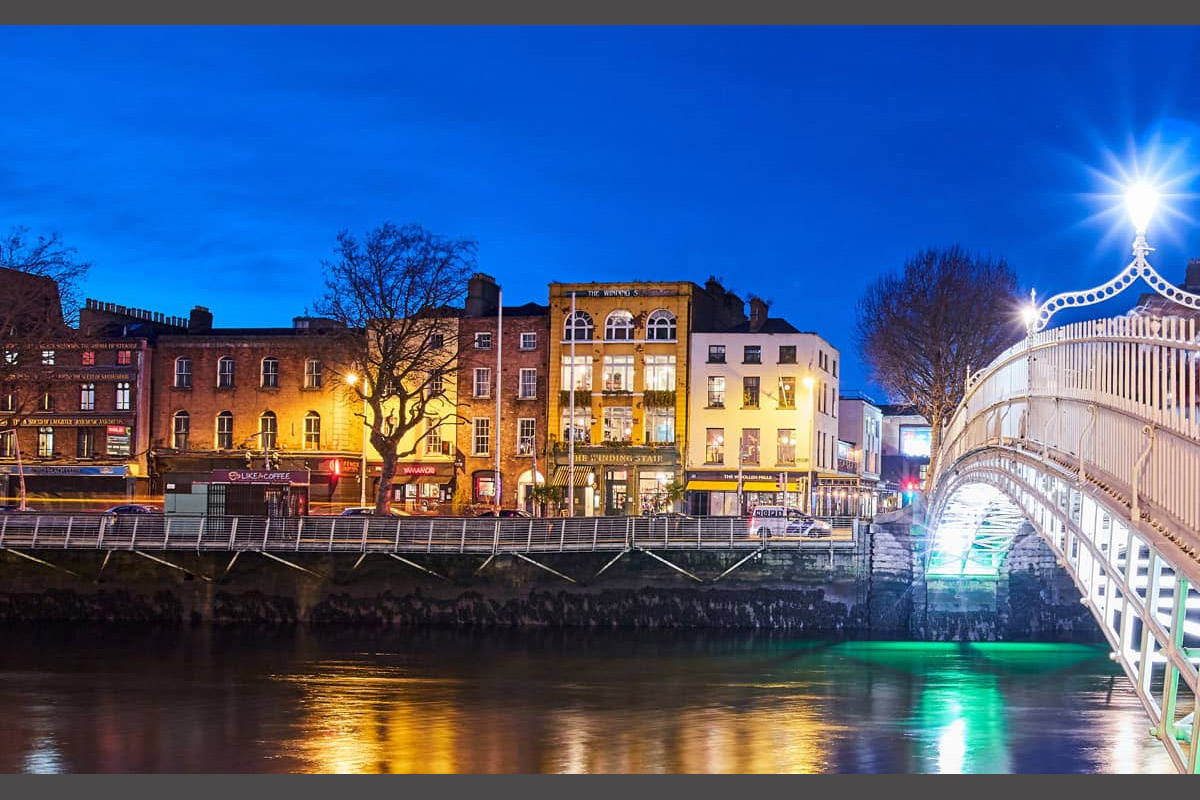
Ireland Tourism Connectivity Digital Visas are sparking the first major transportation reform in Western Europe in decades, and both Britain and Germany are excited about the changes. Many new jobs and construction projects worth millions of euros are expected from new, faster ways of traveling throughout Europe. To add to the new reforms in European travel, Ireland is now investing money to digitize how they process visitors, and is building modern international airports to better serve the needs of the international traveling public. These new reforms show a commitment to improving European travel to better facilitate visitors and promote the regions many diverse offerings.
Strategic Background: The Evolution of Irish Travel and Connectivity
Historical Foundations of the Common Travel Area and European Synergies
The island of Ireland has long occupied a unique geographical and geopolitical position at the edge of Western Europe. Its tourism sector and cross-border transport mobility have historically relied upon robust international linkages, most notably through the Common Travel Area (CTA) arrangement with Great Britain. Established in the early twentieth century, the CTA permits British and Irish citizens to travel freely between both jurisdictions without immigration controls, fostering deep economic, cultural, and familial ties.
Advertisement
Advertisement
However, as global aviation grew and international travel patterns diversified, Ireland’s inbound tourism framework required expanding beyond traditional bilateral arrangements. Strategic partnerships with key Continental European nations, particularly Germany, became fundamental to sustaining long-term tourism growth. Germany stands as one of Ireland’s largest source markets in Continental Europe, providing a consistent influx of eco-conscious, high-spending, and long-stay holidaymakers. Over the past several decades, the synergy between Great Britain, Germany, and Ireland has created a resilient visitor economy, bridging short-haul regional travel with international transit hubs across Europe.
The Shift from Physical Documentation to Digital Travel Authorization
For decades, international entry into Ireland and its neighboring European partners depended upon physical documentation—paper visa vignettes, ink stamps, physical residence permits, and manual passport inspections at border control points. While effective in earlier eras, manual processing created administrative bottlenecks, prolonged airport queues during peak travel seasons, and limited real-time security data sharing between allied nations.
Advertisement
Advertisement
The modern global travel ecosystem demands seamless digital verification. Recognizing the necessity of border modernization, European authorities and the UK Home Office initiated comprehensive digital transformation programmes aimed at transitioning from physical visa stickers and passport stamps to cloud-based, biometric, and electronic travel permissions. The deployment of electronic visitor authorisations, digital visa accounts, and automated border gates represents the most significant structural evolution in European immigration management in half a century. Ireland’s alignment with these digital initiatives ensures that inbound visitors benefit from streamlined border entry while maintaining the strict security integrity required by national authorities.
┌────────────────────────────────────────────────────────────────────────┐
│                   EUROPEAN DIGITAL MOBILITY FRAMEWORK                   │
├───────────────────────────────────┬────────────────────────────────────┤
│           United Kingdom          │            European Union          │
│  (eVisas & ETA Mandatory System)  │    (Entry/Exit System - EES)       │
├───────────────────────────────────┼────────────────────────────────────┤
│ • Fully digital UKVI accounts     │ • Automated biometric verification │
│ • Biometric ETA pre-screening     │ • Digital entry/exit record-keeping│
│ • Carrier pre-boarding validation │ • Elimination of passport stamps   │
└───────────────────────────────────┴────────────────────────────────────┘
                                  │
                                  ▼
┌────────────────────────────────────────────────────────────────────────┐
│                        REPUBLIC OF IRELAND                             │
│       (Enhanced Connectivity & Strategic Digital Integration)          │
├────────────────────────────────────────────────────────────────────────┤
│ • Facilitated IRP Card renewals & Type-C Short-Stay processing         │
│ • Seamless Common Travel Area (CTA) transit with Great Britain          │
│ • €4.7 Billion Sectoral Capital Plan driving regional infrastructure   │
└────────────────────────────────────────────────────────────────────────┘
Post-Pandemic Recovery and the Vision for “A New Era for Irish Tourism”
Following the disruption of global travel between 2020 and 2022, Ireland’s tourism industry embarked on a structured, multi-year recovery plan. The government’s long-term framework, titled “A New Era for Irish Tourism”, was designed to transition the industry from volume-driven visitor metrics towards high-yield, sustainable, and regionally balanced growth.
Advertisement
Advertisement
This vision acknowledges that modern international holidaymakers seek frictionless booking and transit experiences, superior local infrastructure, and authentic cultural engagement. By uniting government policy with targeted state investment, Ireland set out to rebuild its international connectivity, expand direct airline routes, and modernise visitor processing frameworks. The convergence of Great Britain’s updated digital travel systems, Germany’s expanded aviation links, and Ireland’s multi-billion-euro tourism funding has laid the groundwork for an unprecedented phase of connectivity.
Latest Official Developments in Digital Visas and Immigration Frameworks
Implementation of UK eVisas and Electronic Travel Authorization (ETA) Dynamics
The UK Visas and Immigration (UKVI) department has implemented full digitisation across its border management systems. Under this framework, physical visa vignettes, biometric residence permits (BRPs), and ink passport stamps have been systematically phased out in favour of pure eVisas linked directly to travellers’ digital passports.
Advertisement
Advertisement
Simultaneously, the UK’s Electronic Travel Authorisation (ETA) scheme reached full enforcement. Under these revised regulations, non-visa foreign nationals from visa-free countries traveling to or transiting through Great Britain must obtain digital ETA approval prior to departure. Commercial carriers—including international airlines, ferry operators, and rail services—are legally mandated to verify valid ETA status before granting boarding permission.
Crucially for the Irish tourism sector, British and Irish citizens remain entirely exempt from the ETA requirement under the Common Travel Area rules. However, international tourists planning dual-destination itineraries—such as touring London and Edinburgh before traveling onward to Dublin or Belfast—must navigate the new digital visa protocols. The clarification and streamlining of these rules have eliminated previous ambiguities for overseas tour operators, enabling seamless multi-destination booking packages across Great Britain and Ireland.
EU Entry/Exit System (EES) Integration and Transit Facilitation
Concurrently, the European Union has advanced the rollout of its fully automated Entry/Exit System (EES) across 29 participating European nations. Designed to replace manual passport stamping for non-EU travellers, the EES registers biometric parameters—specifically facial images and fingerprint scans—alongside passport metadata upon entry and exit.
While the Republic of Ireland maintains its non-Schengen status and retains independent border checks, the integration of EES across major European hub airports (such as Frankfurt, Munich, Paris, and Amsterdam) directly benefits Irish connectivity. German and international transit passengers connecting through Continental European hubs to Irish gateways benefit from standardized biometric processing and mobile pre-registration applications (such as the official “Travel to Europe” app). This digital synergy ensures that long-haul visitors from Asia, the Americas, and the Middle East experience reduced connection times when traveling to Ireland via major European airlines.
Advertisement
Advertisement
Irish Department of Justice & Immigration Service Delivery Facilitation Measures
To match international digital advancements, the Irish Department of Justice and Immigration Service Delivery (ISD) introduced streamlined travel facilitation protocols. Recognizing processing timeline demands for non-EEA nationals residing in Ireland, temporary travel facilitation measures were deployed, allowing eligible legal residents holding recently expired Irish Residence Permit (IRP) cards to travel internationally without disruption.
Under this scheme, residents who submitted renewal applications prior to card expiration receive an official Travel Confirmation Notice. This document, recognized by international airlines and border authorities, grants return entry to Ireland during peak holiday seasons. Additionally, the Department of Justice updated its processing mechanisms for Short Stay (Type C) visas and visa appeals, significantly reducing turnaround times for international leisure and business travellers. These operational enhancements ensure that Ireland Tourism Connectivity Digital Visas operate as part of a modern, responsive immigration environment.
Government Announcements and Capital Investment Frameworks
The €4.7 Billion Sectoral Capital Plan 2026–2030 Breakdown
In an official statement delivered by the Minister for Enterprise, Trade and Employment, Peter Burke TD, the Irish Government unveiled a historic €4.7 billion Sectoral Capital Plan 2026–2030 as a core component of the updated National Development Plan (NDP). Representing the largest state investment in Irish enterprise, innovation, and tourism infrastructure in the nation’s history, the plan allocates targeted funding across several key strategic pillars.
┌────────────────────────────────────────────────────────────────────────┐
│        SECTORAL CAPITAL PLAN 2026–2030: €4.7 BILLION ALLOCATION       │
├───────────────────────────────────────────────┬────────────────────────┤
│ Sectoral Allocation                           │ Capital Budget         │
├───────────────────────────────────────────────┼────────────────────────┤
│ Enterprise Innovation & Commercialisation     │ €1.33 Billion          │
│ Inward Foreign Direct Investment (FDI)        │ €1.29 Billion          │
│ Home-Grown Enterprise Scaling & SMEs          │ €1.12 Billion          │
│ Tourism Infrastructure & Overseas Marketing   │ €400 Million           │
│ Enterprise Decarbonisation & Sustainability   │ €300 Million           │
│ Semiconductor & Biopharma Mega-Sites          │ €100 Million           │
└───────────────────────────────────────────────┴────────────────────────┘
This capital commitment establishes a secure foundation for upgrading public infrastructure, modernising enterprise networks, and enhancing regional tourist destinations.
Dedicated Tourism Funding: €400 Million Product and Marketing Allocations
Within the overarching capital framework, €400 million has been ring-fenced specifically for tourism development and global promotion. This funding is divided into two operational streams designed to balance international demand generation with on-the-ground infrastructure capacity:
- €200 Million for Product Development: Direct capital expenditure allocated to Fáilte Ireland for upgrading existing tourism experiences, developing world-class outdoor amenities, building regional greenways, and restoring historical heritage sites across Ireland’s regional brand platforms.
- €77 Million for Overseas Marketing: Dedicated funding provided to Tourism Ireland to drive targeted marketing campaigns across primary international source markets, including Great Britain, Germany, France, and North America.
Minister Burke emphasized that this targeted capital infusion aims to attract over one million additional overseas visitors annually, ensuring that economic benefits are distributed across rural and regional communities.
Advertisement
Advertisement
Fáilte Ireland’s Corporate Strategy 2026–2029 Objectives
Fáilte Ireland, the National Tourism Development Authority, formally launched its Corporate Strategy for 2026–2029, setting out eight core strategic ambitions to guide sector growth:
- High-Impact Capital Investment: Introducing a structured short-, medium-, and long-term investment pipeline to refresh visitor experiences and improve regionality.
- Accelerated Digital Transformation: Deploying specialized digital and artificial intelligence (AI) diagnostic tools to assist tourism SMEs in boosting online visibility, AI discoverability, and direct booking conversion rates.
- Industry Competitiveness & SME Resilience: Streamlining enterprise supports to lift productivity, improve service quality, and reduce operational costs for small and medium tourism providers.
- Building Tourism Data Insights: Establishing an advanced tourism economics and data insights platform to analyze real-time spending patterns, demand metrics, and business performance.
- Elevating Visitor Experience: Ensuring effortless travel planning, accessible transport links, and exceptional hospitality across every visitor touchpoint.
- Culinary Excellence (“Make Food a Hero”): Elevating Irish food and beverage offerings by connecting local producers, distilleries, and restaurants into discoverable regional itineraries.
- Championing Tourism Careers: Professionalising the sector workforce by creating clear career pathways, upskilling opportunities, and leadership programs.
- Growing Domestic Demand: Sustaining strong domestic market campaigns to bolster off-peak regional revenue.
Tourism Ireland’s Strategy: Targeting €10 Billion Annual Inbound Spend
Tourism Ireland unveiled its international marketing strategy, establishing a milestone target of generating €10 billion in annual inbound visitor expenditure by 2031. This ambition builds upon the sector’s performance in 2025, during which overseas visitors contributed over €6 billion directly to the Irish economy.
Under the leadership of Chief Executive Alice Mansergh, Tourism Ireland’s global promotional push—headlined by the flagship campaign “Ireland Goes Beyond”—utilises predictive AI analytics, digital programmatic advertising, and strategic media partnerships. The strategy prioritizes off-peak seasonal travel, driving high-yield visitors into regional areas outside Dublin, and expanding direct market engagement across Great Britain and Continental Europe.
Official Statistical Performance: Inbound Visitor Trends and Expenditure
Central Statistics Office (CSO) Inbound Tourism Data Analysis
The latest official statistical releases from the Central Statistics Office (CSO) offer verified insights into Ireland’s inbound tourism trajectory. Data for the primary travel period demonstrates consistent volume growth coupled with shifting visitor spending dynamics:
┌────────────────────────────────────────────────────────────────────────┐
│             CENTRAL STATISTICS OFFICE (CSO) TOURISM DATA               │
├───────────────────────────────────────┬─────────────┬───────────┬──────┤
│ Metric                                │ August 2025 │ Aug 2026  │ Change│
├───────────────────────────────────────┼─────────────┼───────────┼──────┤
│ Foreign Resident Overnight Visitors   │ 773,200     │ 788,700   │ +2.0%│
│ Total Visitor Nights Spent (Millions) │ 6.66 M      │ 6.56 M    │ -2.0%│
│ Average Length of Stay (Nights)       │ 8.6         │ 8.3       │ -3.5%│
│ Total Expenditure (Excl. Fares)       │ €743.7 M    │ €728.7 M  │ -2.0%│
│ Mean Expenditure Per Visitor          │ €962        │ €924      │ -4.0%│
└───────────────────────────────────────┴─────────────┴───────────┴──────┘
The CSO report reveals that 788,700 foreign resident visitors completed trips to Ireland in August 2026, representing a 2% increase compared to the 773,200 visitors recorded in August 2025. Total overseas visitor expenditure for the month reached €729 million.
Revenue Multipliers and First-Half Cumulative Performance
While single-month figures show minor expenditure normalization due to shorter average stays, cumulative first-half figures highlight exceptional economic expansion. Official figures published by the Department of Enterprise, Trade and Employment show that between January and June 2026, foreign resident overnight visits surged by 15% year-on-year.
Advertisement
Advertisement
During this six-month period, international visitors spent an estimated €2.6 billion, marking an 18% increase compared to the €2.2 billion generated during the same timeframe in 2025. This substantial revenue expansion underlines the strong economic return generated by expanded international flight capacities and targeted promotional campaigns across key European markets.
Source Market Breakdowns: Great Britain, Germany, and North America
Disaggregated source market data confirms that Great Britain, Continental Europe (led by Germany), and North America remain the primary drivers of inbound visitor volume:
- Great Britain: Remains Ireland’s largest source market by sheer volume, delivering short-haul urban visitors, visiting friends and relatives (VFR) traffic, and weekend festival attendees. The presence of dense point-to-point air and ferry connections ensures high frequency travel year-round.
- Germany & Continental Europe: Represents the highest-growing segment for long-stay holidaymakers. German visitors demonstrate an above-average length of stay (averaging 9.4 nights), higher rental car utilization rates, and significant expenditure within regional food, heritage, and outdoor activity sectors.
- North America: Serves as the primary driver of high-yield revenue. North American tourists account for the largest proportion of luxury accommodation bookings, premium golf tours, and long-distance chauffeur travel across the West Coast.
Policy Implications and Cross-Border European Alignment
Common Travel Area Integrity and Border Efficiency
The maintenance of the Common Travel Area remains a central policy priority for both the Irish Government and the UK Home Office. As Great Britain mandates electronic authorisations for third-country nationals, bilateral security protocols have been reinforced to ensure that the open land border between Ireland and Northern Ireland remains unimpeded.
Integrated data sharing frameworks between Irish immigration authorities and UKVI enable pre-arrival screening of international air and maritime passengers. This digital alignment preserves CTA movement rights for British and Irish citizens while ensuring robust border verification for international arrivals transiting between the two jurisdictions.
┌────────────────────────────────────────────────────────────────────────┐
│                     COMMON TRAVEL AREA INTEGRITY                       │
├────────────────────────────────────────────────────────────────────────┤
│                          Republic of Ireland                           │
│                                  ▲                                     │
│                                  │  Seamless CTA Mobility              │
│                                  │  (No border checks for citizens)    │
│                                  ▼                                     │
│                            United Kingdom                              │
├────────────────────────────────────────────────────────────────────────┤
│ • Pre-arrival passenger data sharing between ISD and UKVI              │
│ • Clear separation of non-EEA visa systems (ETA vs Irish Visa)         │
│ • Unimpeded land travel across the Northern Ireland border             │
└────────────────────────────────────────────────────────────────────────┘
Harmonising Tourist Entry Regulations with Key European Partners
Ireland’s non-Schengen status requires distinct entry clearances for non-EEA tourists compared to mainland Europe. However, strategic administrative coordination has minimized travel friction. The ongoing operation of the Short Stay Visa Waiver Scheme (SSVWS) allows eligible nationals from designated countries holding a valid UK short-stay visa to travel onward to Ireland without acquiring a separate Irish visa.
Furthermore, diplomatic coordination with German authorities and EU transport ministries has ensured that European transit corridors remain highly efficient. The deployment of self-service biometric kiosks and mobile pre-clearance applications across major European hubs allows international travellers connecting to Ireland to pass through transit security with minimal delay.
Advertisement
Advertisement
Streamlining Type C Visas and Residency Renewal Procedures
Domestically, the Department of Justice has accelerated the digital processing of Short Stay (Type C) visas, catering to business professionals, conference delegates, and seasonal holidaymakers. Online visa application portals now feature automated document validation, reducing processing backlogs.
Concurrently, the temporary summer travel facilitation notice introduced for Irish Residence Permit (IRP) card holders eliminated administrative friction for over 75,000 legal non-EEA residents. By permitting international travel using expired cards accompanied by official renewal confirmation emails, the government protected resident mobility while safeguards were maintained.
Direct Air Connectivity and Aviation Infrastructure Expansion
Expanding Flight Capacities from Great Britain Regional Gateways
Air connectivity serves as the essential pipeline for Ireland’s tourism industry. Airlines operating between Great Britain and Ireland have significantly expanded seat capacity across primary and regional routes. Flag carriers Aer Lingus and British Airways, alongside regional operators Ryanair and Loganair, have added extra flight frequencies connecting key British hubs—including London Heathrow, London Gatwick, Manchester, Birmingham, and Edinburgh—to Irish entry points.
┌────────────────────────────────────────────────────────────────────────┐
│                   KEY DIRECT AVIATION CORRIDORS                        │
├──────────────────────────┬─────────────────────────────────────────────┤
│ Origin Region            │ Key Direct Irish Airport Destinations       │
├──────────────────────────┼─────────────────────────────────────────────┤
│ Great Britain Gateways   │ Dublin, Cork, Shannon, Ireland West (Knock),│
│ (Heathrow, Gatwick,      │ Kerry                                       │
│ Manchester, Edinburgh)   │                                             │
├──────────────────────────┼─────────────────────────────────────────────┤
│ German Aviation Hubs     │ Dublin, Cork, Shannon                       │
│ (Frankfurt, Munich,      │                                             │
│ Düsseldorf, Berlin)      │                                             │
├──────────────────────────┼─────────────────────────────────────────────┤
│ Transatlantic Gateways   │ Dublin, Shannon                             │
│ (New York, Boston,       │                                             │
│ Chicago, Toronto)        │                                             │
└──────────────────────────┴─────────────────────────────────────────────┘
Regional gateways such as Ireland West Airport Knock and Kerry Airport have experienced record passenger throughput on British routes, enabling overseas visitors to bypass capital city congestion and arrive directly in regional tourism hotspots along the Wild Atlantic Way.
Direct Routes and Seasonal Services Connecting German Hubs
Recognizing the high economic value of German holidaymakers, aviation planners have strengthened direct connections between Germany and Ireland. Lufthansa, Aer Lingus, and Ryanair have expanded year-round and seasonal non-stop flights connecting major German hubs—such as Frankfurt, Munich, Düsseldorf, Berlin, and Hamburg—directly to Dublin, Cork, and Shannon.
Direct long-haul routes connecting Germany’s commercial centres to Shannon Airport provide seamless access to the Shannon Estuary, County Clare, and the West Coast, eliminating the need for long bus transfers from Dublin. German travel agencies and tour operators have responded by introducing expanded fly-drive packages, cycling holidays, and eco-tourism itineraries tailored to high-spending European travellers.
Advertisement
Advertisement
Infrastructure Capital Enhancements at Irish Airports
To support expanded airline operations, the Irish State and commercial airport authorities (DAA and Shannon Airport Group) have committed major capital investments toward airport infrastructure upgrades:
- Dublin Airport (DAA): Upgrading terminal facilities, integrating advanced next-generation C3 baggage scanners to eliminate liquid restrictions, expanding passenger boarding zones, and advancing sustainability projects to reduce operational carbon emissions.
- Shannon Airport: Modernising passenger processing areas, enhancing its US Preclearance facilities, and deploying solar PV installations to power airport infrastructure sustainably.
- Cork Airport: Expanding runway capacity, modernising security screening lanes, and constructing new executive lounge and commercial facilities to support growing European route networks.
- Ireland West Airport Knock & Kerry Airport: Capital investment grants funded under the State Regional Airports Programme to upgrade safety apparatus, install digital passenger processing kiosks, and expand terminal holding areas.
Economic and Public Impact Across Ireland’s Regional Destinations
Spreading Visitor Expenditure Beyond Metropolitan Hubs
A core policy objective of the government’s tourism strategy is combating “over-tourism” in metropolitan Dublin by dispersing visitor footfall and expenditure directly into regional economies. Strategic capital allocations under the NDP are fueling the growth of Ireland’s four distinct regional tourism brand platforms:
┌────────────────────────────────────────────────────────────────────────┐
│                IRELAND'S REGIONAL TOURISM BRAND PLATFORMS              │
├──────────────────────────┬─────────────────────────────────────────────┤
│ Brand Platform           │ Focus & Key Experiences                     │
├──────────────────────────┼─────────────────────────────────────────────┤
│ Wild Atlantic Way        │ Coastal drives, outdoor adventure, heritage │
│ Ireland's Ancient East   │ 5,000 years of history, castles, gardens    │
│ Ireland's Hidden         │ Inland waterways, greenways, slow tourism   │
│ Heartlands               │                                             │
│ Dublin Regional          │ Urban culture, maritime villages, Dublin    │
│                          │ Mountains                                   │
└──────────────────────────┴─────────────────────────────────────────────┘
Regional capital projects—such as the expansion of the Western Rail Corridor, new off-road cycling greenways in Mayo and Waterford, and upgraded heritage centers in the Midlands—ensure that tourist spending benefits local craft producers, family-run guesthouses, and rural hospitality enterprises.
Supporting SMEs Through Digital Transformation and AI Discoverability
Small and medium enterprises (SMEs) constitute over 85% of Ireland’s hospitality and tourism industry. To ensure these enterprises thrive in an increasingly digital marketplace, Fáilte Ireland launched a specialized digital diagnostic and capability-building initiative.
Through targeted grant aid and technical mentorship, tourism SMEs are supported in adopting advanced Artificial Intelligence (AI) search optimization, dynamic pricing engines, and direct online booking integrations. This digital transformation ensures that regional providers—such as boutique hotels, boat tour operators, and artisan food producers—achieve high visibility across global travel booking platforms and AI search tools utilised by international tourists.
Employment Creation, Career Pathways, and Skills Upskilling
The tourism sector serves as a vital employer across rural Ireland, supporting over 250,000 direct and indirect jobs nationwide. The growth in inbound visitor expenditure directly underpins enterprise sustainability and job creation in hospitality, catering, transport, and cultural heritage.
Advertisement
Advertisement
Under Fáilte Ireland’s strategic career framework, state initiatives are actively positioning tourism as a attractive, skilled career path. Partnerships with Technological Universities (TUs) provide specialized degree programs in sustainable hospitality management, culinary arts, and digital tourism management. Modernised apprenticeship schemes and workplace upskilling programs ensure that the industry retains highly qualified talent capable of delivering premium service standards.
Industry Perspectives and Official Statements
Key Remarks from Minister Peter Burke TD
Announcing the Sectoral Capital Plan, Peter Burke TD, Minister for Enterprise, Trade and Employment, stated:
“This is the largest ever investment in Ireland’s enterprise and innovation ecosystem—a €4.7 billion commitment to jobs, competitiveness, and building the future. We cannot compete for tomorrow’s opportunities with yesterday’s offering. This plan represents a transformative investment that creates the conditions for businesses to thrive, innovate, and compete globally. Government’s €4.7 billion investment will strengthen Irish SMEs, attract cutting-edge foreign direct investment, and attract more visitors to our shores, ensuring prosperity is shared across every region.”
Strategic Insights from Tourism Ireland Chief Executive Alice Mansergh
Welcoming the government’s capital commitment and setting out the international promotional agenda, Alice Mansergh, Chief Executive of Tourism Ireland, noted:
“Overseas visitors spent over €6 billion in 2025, and we are targeting growth to over €10 billion by 2031, supporting the Minister’s strategy, ‘A New Era for Irish Tourism’. Tourism Ireland will promote the island of Ireland through advertising, publicity, digital, social, and generative AI, reaching potential visitors across the exact channels where they research holidays today. Our campaign ‘Ireland Goes Beyond’ is already generating strong overseas bookings, positioning Ireland as a compelling, year-round destination.”
Stakeholder Consensus Across Aviation and Hospitality Sectors
Industry leaders across the Irish Tourism Industry Confederation (ITIC), the Irish Hotels Federation (IHF), and the Dublin Airport Authority (DAA) have broadly welcomed the alignment between border digitisation, state capital funding, and airline route expansion. Industry representatives emphasize that maintaining competitive access costs, improving regional transport infrastructure, and ensuring visa processing efficiency are essential to maintaining Ireland’s international market advantage against competing European destinations.
Advertisement
Advertisement
Future Outlook and Strategic Trajectory Through 2030
Sustainable Tourism Frameworks and Net-Zero Decarbonisation
As international travel increases, environmental sustainability remains central to Ireland’s long-term tourism policy. The Sectoral Capital Plan includes €300 million specifically allocated to enterprise decarbonisation, helping tourism accommodation providers, transport fleets, and attraction facilities transition to low-carbon operations.
Initiatives such as heat pump adoption, solar PV installation, food waste reduction programs, and electric vehicle (EV) charging infrastructure across tourism corridors align with the state’s binding Climate Action Plan targets. Furthermore, Tourism Ireland’s promotional messaging actively promotes carbon-conscious travel options, encouraging international visitors to utilize public transport, stay longer in local regions, and engage with eco-certified tourism businesses.
Long-Term Projections for European and Transatlantic Inbound Growth
Looking ahead toward 2030, Ireland is strategically positioned to achieve sustainable, high-yield inbound tourism growth. The integration of digital visas across Great Britain and Europe, combined with expanding direct air links, has eliminated historic friction points in the customer journey.
┌────────────────────────────────────────────────────────────────────────┐
│              STRATEGIC TOURISM ROADMAP TO 2030 / 2031                   │
├───────────────────────────────┬────────────────────────────────────────┤
│ Strategic Target              │ Projected Milestone Outcome            │
├───────────────────────────────┼────────────────────────────────────────┤
│ Annual Inbound Visitor Spend  │ Exceed €10 Billion by 2031             │
│ Annual Visitor Volume         │ Attract 1 Million Additional Visitors  │
│ Enterprise Capital Investment │ Deploy €4.7 Billion Departmental NDP   │
│ Dedicated Tourism Funding     │ Invest €400M in Products & Marketing   │
│ SME Digital Adoption          │ 100% Diagnostic AI Tool Integration    │
│ Industry Decarbonisation      │ €300M Dedicated Enterprise Transition  │
└───────────────────────────────┴────────────────────────────────────────┘
With state-backed capital investments of €4.7 billion driving regional infrastructure, enhanced airport processing, and innovative digital marketing campaigns, Ireland’s tourism ecosystem enters a highly connected and prosperous era. The unified efforts of Ireland, Great Britain, and Continental partners ensure that the nation remains a world-class destination for modern global travellers well into the future.
Advertisement
