
Cambodia Steps Up With Kazakhstan in Dynamic Tourism Partnership as Both Nations Eye New Routes and Visitor Growth

Updated
Published
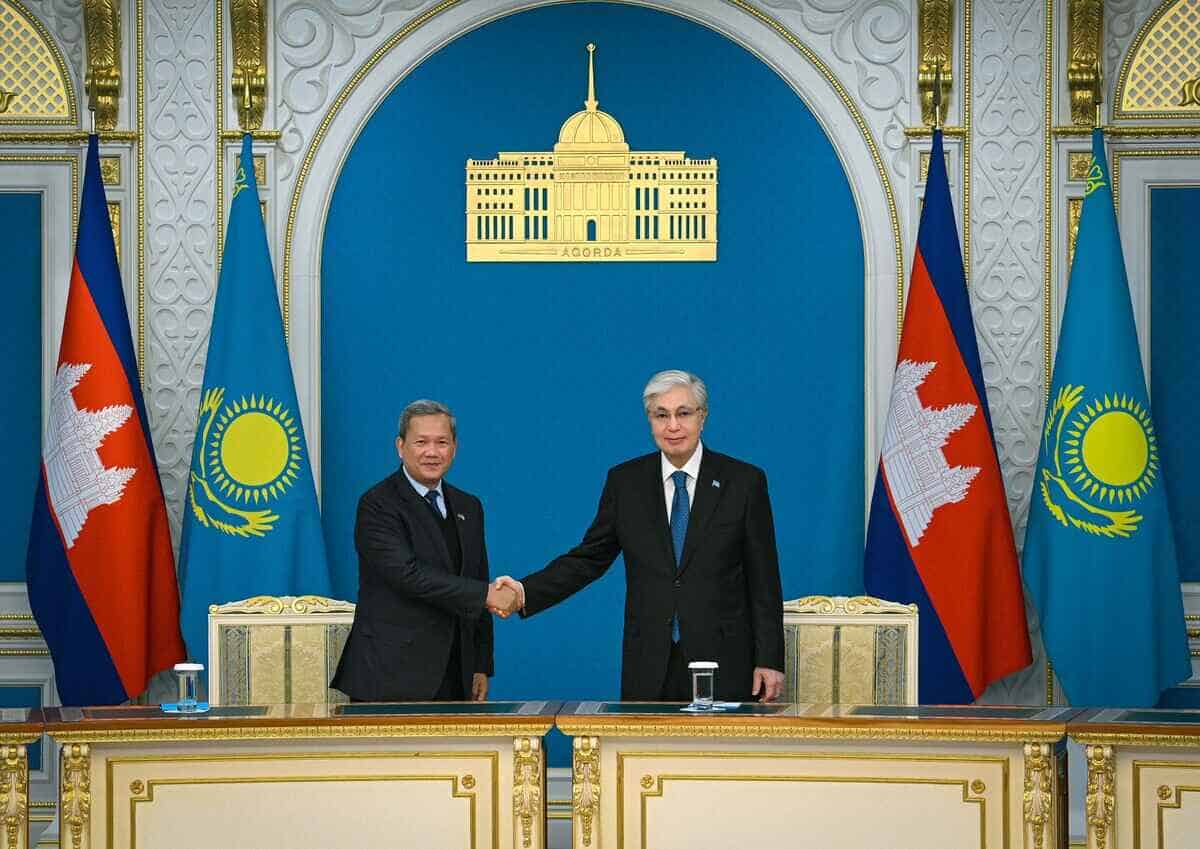
Cambodia and Kazakhstan are set to enter a new era of tourism cooperation. Following the high-level talks in Astana on October 17, 2026, the creation of direct flights and the development of tourism and the influx of visitors are now key topics of discussion. Several cooperation agreements were reached during the official visit by the Cambodian government to Kazakhstan on October 16-17, 2026. It will create new opportunities for tourism, cultural exchange, and investment, as well as strengthen ties between Southeast Asia and Central Asia. While there are no confirmed direct flights yet, both countries are interested in facilitating travel and tourism between the two nations.
Historic Cambodia–Kazakhstan Partnership Opens a New Chapter for Tourism
A significant milestone has been reached in relations between Cambodia and Kazakhstan, with tourism identified as an important area for future cooperation. The official visit marked the first time a Cambodian prime minister had travelled to Kazakhstan in that capacity.
Advertisement
Advertisement
The discussions also coincided with 32 years of diplomatic relations between the two countries. The historical relationship was traced back to an official Cambodian diplomatic visit in 1982.
During the latest meetings, a shared commitment to stronger diplomatic, economic and cultural relations was reaffirmed. Tourism cooperation was given particular attention as both countries explored ways to encourage international visitors and strengthen connections between their populations.
Advertisement
Advertisement
Direct Air Links Could Unlock New Travel Opportunities Between Both Nations
One of the most important developments was the proposal to explore direct flights between Cambodia and Kazakhstan. Improved aviation connectivity was identified as a possible way to support tourism, business travel and cultural exchanges.
The establishment of direct services could reduce the need for connecting journeys and make travel between the two countries more convenient. Kazakhstan’s interest in Cambodia as a tourism destination was also highlighted during the discussions.
Advertisement
Advertisement
However, the proposal remains at an exploratory stage. No airline, route, launch date or flight frequency has been officially confirmed in the reported agreements. Further aviation discussions would be required before any new scheduled services could be introduced.
New Tourism Agreements Aim to Strengthen Visitor Growth and Cultural Exchanges
Tourism cooperation has been included among the formal areas of partnership agreed during the visit. The objective is to create closer connections between the two countries and provide a foundation for future tourism-related initiatives.
Cambodia and Kazakhstan are expected to benefit from greater destination awareness, improved institutional cooperation and stronger cultural engagement.
For Cambodia, the partnership could help introduce its tourism attractions to more visitors from Central Asia. Kazakhstan could also gain opportunities to increase its visibility among Cambodian travellers interested in exploring the region.
While future visitor growth remains uncertain, the agreements provide a framework through which tourism development can be pursued.
Six Cooperation Memorandums Bring Tourism and Technology Into Focus
A series of six memorandums of understanding was exchanged during the official meetings, covering several areas of bilateral cooperation.
Advertisement
Advertisement
The agreements addressed artificial intelligence, digital development, digital government, information and communication technologies, trade, economic relations, culture, tourism and city-level partnerships.
These commitments were designed to establish a broader foundation for long-term collaboration rather than focus exclusively on visitor arrivals.
For the tourism sector, improved cooperation in technology and government services could eventually support more efficient travel-related processes.
However, no specific digital border system, immigration reform or new tourist entry programme was announced. The agreements primarily reflect a commitment to explore cooperation and develop practical projects in the future.
Astana and Phnom Penh Move Towards Stronger Sister-City Relations
Another important development was the establishment of sister-city relations between Astana and Phnom Penh, the respective capitals of Kazakhstan and Cambodia.
The arrangement is intended to encourage closer cooperation at the local government level while creating opportunities for cultural exchanges and stronger institutional relationships.
Advertisement
Advertisement
Such partnerships can provide a platform for sharing experience in urban development, cultural activities and destination promotion.
Both capitals could also benefit from increased international awareness as bilateral engagement develops.
The sister-city agreement represents a city-level dimension of the wider diplomatic partnership, extending cooperation beyond national governments and potentially encouraging closer connections between residents, organisations and visitors.
Artificial Intelligence and Digital Government Add New Momentum
Artificial intelligence and digital transformation emerged as important subjects during the bilateral discussions. Opportunities for cooperation in digital government, information technology and technological development were examined.
The Cambodian delegation’s programme included a planned visit to the Alem.ai International Center, where Kazakhstan’s technological initiatives and artificial intelligence developments were to be presented.
Kazakhstan’s progress in the United Nations E-Government Development Index was also highlighted as an area of experience that could support cooperation.
Advertisement
Advertisement
Although these discussions were not specifically about tourism technology, stronger digital capabilities could eventually benefit public services used by international travellers, businesses and tourism-related organisations.
Trade, Investment and Energy Cooperation Could Support Wider Tourism Development
Beyond tourism, closer economic relations were discussed as part of the expanding partnership. Greater cooperation in trade, investment, manufacturing and energy was identified as an opportunity for both countries.
The discussions reflected an interest in strengthening business connections and exploring areas in which the economies could complement each other.
Improved commercial relations may also encourage additional business visits, professional exchanges and investment-related travel.
For the wider tourism industry, stronger business relationships can help create demand for accommodation, meetings and transport services.
Nevertheless, no specific tourism investment value, hotel development programme or bilateral trade target was confirmed in the reported agreements.
Advertisement
Advertisement
Education and Cultural Exchanges Strengthen Longstanding People-to-People Connections
Education was recognised as an important foundation of the relationship between Cambodia and Kazakhstan. More than 120 Cambodian students have previously studied in Kazakhstan, with several graduates subsequently entering senior public administration positions.
The two countries discussed expanding educational engagement through reciprocal scholarships and stronger people-to-people exchanges.
These connections provide opportunities for cultural understanding and long-term relationships between younger generations.
Educational travel can also contribute to greater destination familiarity and encourage future visits.
By strengthening academic and cultural cooperation, Cambodia and Kazakhstan are seeking to develop a relationship that extends beyond government meetings and commercial agreements to include direct connections between their communities.
Kazakhstan’s Southeast Asia Strategy Creates Fresh Regional Opportunities
The partnership also carries wider regional significance. Cambodia has been recognised as an important partner for Kazakhstan in Southeast Asia, particularly in strengthening engagement with countries belonging to the Association of Southeast Asian Nations.
Advertisement
Advertisement
Both governments discussed closer coordination in regional and international affairs, including cooperation through the United Nations.
Cambodia’s long-term development ambitions under Cambodia Vision 2050 and the Pentagonal Strategy were also acknowledged during the meetings.
These discussions demonstrated the broader diplomatic importance of the visit.
For tourism, stronger regional relationships could eventually support increased destination visibility, business exchanges and cooperation across the two regions.
What the New Partnership Means for Travellers and Future Tourism Growth
The latest agreements represent an important step towards a stronger Cambodia–Kazakhstan tourism relationship, but several practical developments are still dependent on future negotiations.
The proposed direct flights remain under consideration, while the tourism cooperation agreement provides a foundation for closer engagement.
Advertisement
Advertisement
No new visa exemption, passport requirement, entry regulation or confirmed flight schedule was announced as part of the reported developments.
Travellers should therefore continue following existing entry requirements and available transport arrangements until further official announcements are issued.
For both countries, the immediate goal is the creation of new channels for cooperation. If these commitments were to translate into practical tourism programmes and improved air connectivity then there would be more opportunities for international tourism, cultural discovery and visitor exchanges.
The October 2026 meetings have positioned Cambodia and Kazakhstan for a potentially stronger travel relationship, with tourism, connectivity and long-term visitor growth now firmly placed among their shared priorities.
Advertisement
