
A Ten-Night Great Lakes Cruise Seamlessly Blends River Intimacy With Epic United States Maritime Heritage

Published
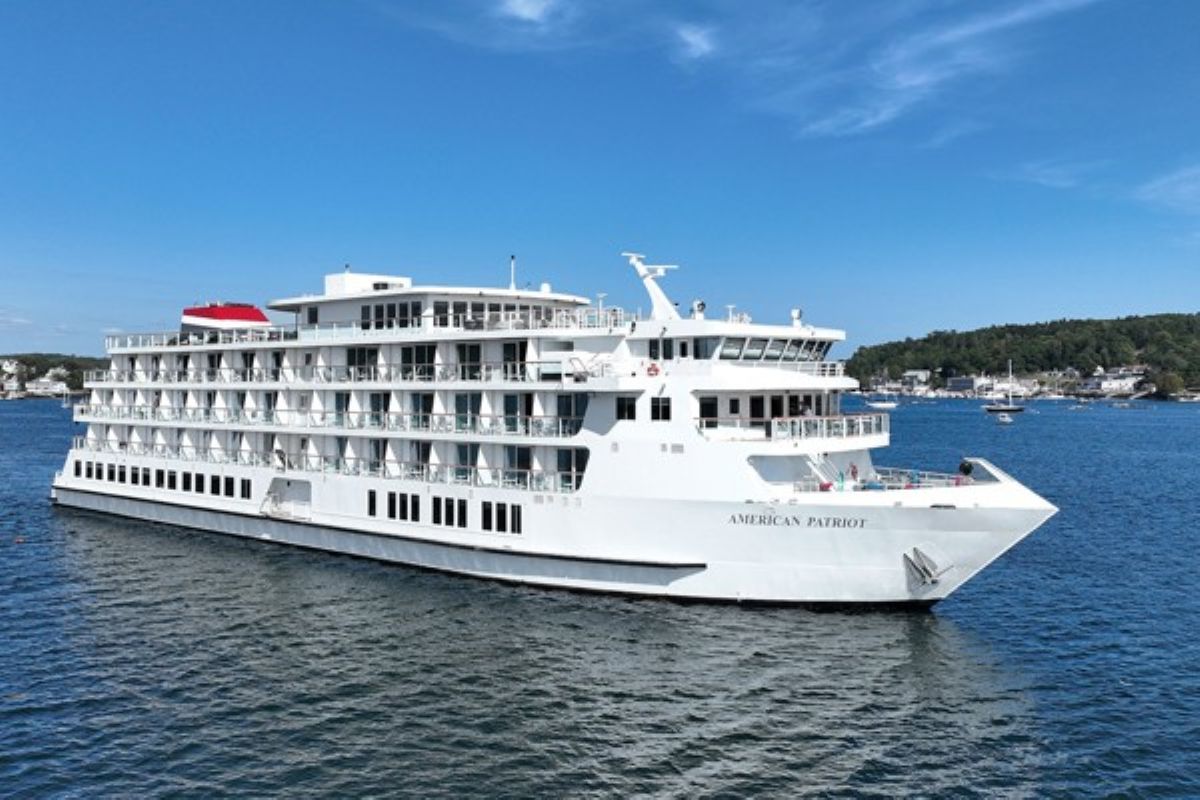
The North American inland waterways are witnessing a profound renaissance. Expanding passenger volumes are reshaping regional tourism this year. More than 25,000 sophisticated cruise passengers will sail the basin during the current operating season. This performance marks a strong five per cent expansion over previous benchmarks. Premium boutique operators spearhead this remarkable rebound across both American and Canadian ports. A single, comprehensive Great Lakes cruise itinerary now seamlessly connects world-renowned natural wonders like Niagara Falls with storied metropolitan waterfronts. The return of purpose-built heritage vessels delivers high-touch hospitality. Furthermore, these voyages inject vital economic revenue into regional port communities throughout the St Lawrence River corridor.
Navigating the Inland Ocean Experience
Voyages across these interconnected freshwater basins defy traditional passenger expectations. Lake Michigan frequently presents rolling swells, crisp winds, and endless midnight horizons. Its raw majesty closely resembles the open sea. Conversely, the moment ships dock, the passenger experience shifts instantly. Guests encounter the sheer intimacy of a quiet river vessel. Small ships navigate tight harbours and municipal channels with remarkable grace. Consequently, travellers disembark within steps of downtown waterfront districts. Passengers bypass the industrial cargo terminals typical of massive maritime liners.
Advertisement
Advertisement
Docking locations place visitors within minutes of prominent cultural institutions. For example, guests stroll straight into downtown Detroit or Cleveland. Shore excursions depart from motor coaches stationed immediately alongside the gangway. Turnaround times take seconds rather than hours. This effortless mobility eliminates conventional boarding bottlenecks entirely. Guests enjoy a seamless transition between onboard luxury and urban discovery.
The physical configuration of these boutique ships creates an exceptionally personal atmosphere. Promenade staterooms open directly onto breezy wraparound decks. Passengers savour panoramic views across pristine coastlines and remote archipelagoes. Onboard staff quickly recognise guests by name. This bespoke hospitality mirrors the service found at five-star country retreats.
Advertisement
Advertisement
Engineering Feats Along Historic Canals
Inland itineraries celebrate historic engineering marvels alongside breathtaking scenery. Ships navigate narrow river locks and complex canal systems daily. The transit through the historic Soo Locks at Sault Ste. Marie represents a supreme navigational highlight. These monumental hydraulic chambers effortlessly lift or lower massive vessels between Lake Superior and the lower lakes. Passengers gather along forward observation decks to witness the precision operation.
Water levels change dramatically within a matter of minutes. The massive steel gates swing shut against powerful glacial waters. Ships drop gently as the gravity-fed hydraulic systems drain millions of litres. The experience provides guests with an unforgettable lesson in industrial prowess. Expert maritime historians, colloquially termed LakeLorians, lecture daily during transit. These scholars collaborate directly with premier cultural preservation societies.
Advertisement
Advertisement
Lectures detail the harrowing realities of navigating winter storms aboard commercial ore carriers. Guests observe working iron freighters passing closely in narrow navigation channels. Nearby maritime museums, housed inside retired cargo hulls, enrich port excursions. Travellers step inside cavernous freight holds to discover centuries of freshwater commerce. This educational depth elevates these voyages beyond typical pleasure sailings.
Operational Specifications and Route Metrics
The table below analyses key route characteristics, maritime engineering features, and logistical checkpoints across the primary sailing corridor.
| Transit Feature | Nautical Specification | Navigational Significance | Passenger Experience Impact |
| Soo Locks Transit | 6.4-metre vertical lift | Connects Lake Superior with Lake Huron | Live daylight observation of historic gravity lockage |
| Welland Canal Run | Eight individual locks | Bypasses Niagara Falls via Lake Ontario | Intimate transit past monumental agricultural terminals |
| St. Clair River Channel | 64-kilometre passage | Navigates the international border corridor | Close-quarters viewing of commercial bulk freighters |
| Detroit River Route | 51-kilometre natural strait | Connects Lake St. Clair to western Lake Erie | Direct panoramic skyline vistas of Detroit and Windsor |
| Mackinac Straits Transit | 8-kilometre suspension span | Links Lake Michigan and Lake Huron | Majestic under-bridge sailing beneath iconic suspension towers |
Regional Economic Impact and Growth
Inland passenger shipping generates transformative financial momentum across regional economies. Municipalities invest substantial resources into dedicated cruise terminals. Local hospitality purveyors and independent merchants welcome sustained foot traffic. In places like Mackinac Island, visitors savour regional confectionery and stroll historic carriageways. They explore scenic state parks, dramatic stone arches, and century-old Victorian hotels.
According to regional economic assessments by Cruise the Great Lakes, cruising generates tens of millions of dollars in annual economic activity. Municipalities report surging demand for local food, artisan retail, and local guided services. Smaller ports like St Ignace and Port Colborne reap outsized economic dividends. Small-ship cruising distributes traveller spending broadly across regional economies.
Industry leadership highlights the enduring community benefits of this surging popularity. On 12 May 2025, Dave Lorenz, Chairman of Cruise the Great Lakes, stated: “Small-ship cruising represents one of the most sustainable, high-value tourism developments for our freshwater ports.” He added: “These discerning international visitors generate substantial economic vitality while preserving the historic character of our shoreline towns.”
Sustainable destination stewardship remains an operational priority. Cruise lines coordinate dockings with local councils to prevent overcrowding. Small passenger manifests safeguard fragile ecosystems against environmental degradation. Shoreline communities benefit from predictable, regulated visitor flows.
Advertisement
Advertisement
Boutique Vessels Versus Mega Ships
The ongoing expansion of this maritime sector reflects broader structural shifts in luxury travel. Discerning travellers increasingly reject overcrowded ocean vessels with thousands of passengers. They prefer tailored exploration aboard intimate ships designed specifically for shallow waterways. The contemporary Great Lakes cruise sector addresses this exact market demand. The vessels feature refined interiors, complimentary culinary bars, modern fitness suites, and dedicated wellness venues.
These specialised ships glide beneath low-clearance bridges and enter shallow coastal channels. Ocean mega-ships cannot access these restricted routes due to strict draft limits. Boutique ships navigate narrow straits and approach municipal piers effortlessly. Passengers spend their days exploring historic architecture rather than enduring long coach transfers.
Onboard programming emphasises regional authenticity and high culture. Intimate lounges feature acoustic musical tributes and curated regional wine selections. Dining venues source fresh seasonal produce directly from Great Lakes agricultural basins. Chefs prepare local walleye, artisan cheeses, and regional stone fruits. This focus provides guests with an authentic taste of local terroir.
Comparative Analysis of Cruising Styles
The following comparative breakdown examines the critical structural and service differences between boutique inland vessels and conventional ocean cruise liners.
| Operational Factor | Boutique Inland Cruisers | Conventional Ocean Liners | Traveller Advantage |
| Guest Capacity | 180 to 210 passengers | 3,000 to 6,000 passengers | Negligible waiting times and tranquil public spaces |
| Terminal Access | Direct city-centre docks | Industrial commercial docks | Walk straight into historical municipal attractions |
| Port Frequency | Daily docking schedules | Frequent sea days | Maximises daylight exploration ashore |
| Onboard Dining | Sourced local ingredients | Large-scale mass catering | Authentic regional gastronomy and bespoke table service |
| Disembarkation | Takes 2 to 3 minutes | Often exceeds 90 minutes | Seamless and stress-free passenger transit |
| Educational Focus | Specialist resident historians | Generic entertainment programmes | Immersive historical, geographic, and scientific discovery |
Essential Logistical Guide for Travellers
Prospective travellers must consider several critical operational factors when booking. The regional sailing season operates strictly between late spring and early autumn. May departures showcase blooming orchards and crisp, invigorating breezes. Mid-summer voyages offer warm, sun-drenched cruising conditions. September and October departures reward passengers with stunning autumn foliage.
Fares for comprehensive ten-night itineraries typically commence around £5,500 ($6,899) per guest. Fares encompass comprehensive shoreside excursions, onboard gourmet dining, and premium beverage packages. Premium bookings generally include pre-cruise luxury hotel accommodations and seamless luggage handling. Travellers cross maritime borders regularly between the United States and Canada. Consequently, passengers must carry valid passports and complete required electronic travel authorisations.
Advertisement
Advertisement
Experienced operators suggest reserving staterooms at least nine months in advance. The strictly limited guest capacity creates rapid sell-out conditions for boutique fleets. Packaging arrangements often provide direct rail or flight connections to primary hub terminals. Chicago and Toronto serve as the premier turnaround hubs for major routes.
Future Horizons for Inland Waterway Cruising
The freshwater cruising market continues its steady trajectory toward long-term prosperity. Environmental investments enhance hybrid propulsion and modern shore-power connections across regional harbours. Purpose-built boutique vessels deliver outstanding holiday satisfaction while respecting local communities. Travellers discover remarkable historical, cultural, and geographic riches along this historic freshwater seaway. The sector successfully blends small-ship luxury with meaningful maritime storytelling. This resilient passenger shipping model ensures the future prosperity of inland water transport for decades to come.
Frequently Asked Questions
1. How much does a Great Lakes cruise cost?
Fares start from $6,899 (£5,500) per person for a 10-night itinerary, inclusive of dining, beverages, Wi-Fi, shore excursions, and a pre-cruise hotel stay.
2. When does the sailing season operate?
May through October. Operations halt during late autumn and winter due to ice formation and scheduled lock closures across the seaway.
Advertisement
Advertisement
3. How many guests do these ships accommodate?
Boutique vessels carry approximately 190 passengers, enabling two-minute disembarkations and direct berthing at central downtown piers.
4. Is a passport mandatory for travellers?
Yes. Sailings cross maritime borders between the United States and Canada, requiring valid passports and mandatory electronic travel authorisations.
5. What are the marquee route destinations?
Standard itineraries connect Chicago and Toronto, stopping at Mackinac Island, Detroit, Cleveland, Sault Ste. Marie (Soo Locks), and Port Colborne for Niagara Falls.
Advertisement
