Published on February 25, 2026

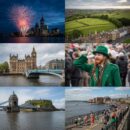
Image generated with Ai
The 2026 UK bank holidays calendar plays a crucial role in shaping domestic travel, short breaks, tourism demand, and retail activity across England, Wales, Scotland, and Northern Ireland. Public holidays influence everything from hotel occupancy rates and flight bookings to shop opening hours and event scheduling.
For travelers, understanding the 2026 holiday schedule is essential for planning city breaks, countryside escapes, and festive travel. For businesses, especially those in tourism and hospitality, these dates represent peak trading opportunities — alongside operational adjustments due to restricted opening hours.
Below is the complete guide to the 2026 UK bank holidays and their wider impact on travel and tourism.
In England and Wales, there are eight standard bank holidays in 2026:
Advertisement
Notably, there are no bank holidays in March 2026 for England and Wales. The next public holiday after New Year’s Day is Good Friday on 3 April.
The year begins with celebrations centered around major cities like London, where fireworks and winter tourism remain strong draws. New Year’s Day typically sees limited retail operations but steady domestic tourism, especially in cultural hubs and spa destinations.
Advertisement
Advertisement
Easter marks one of the first major travel surges of the year. Good Friday and Easter Monday create a four-day weekend, encouraging domestic trips across the UK.
Destinations such as Bath, the Lake District, and coastal Cornwall often experience heightened occupancy levels. Retail operations vary: large stores may follow Sunday trading restrictions on Good Friday, while Easter Monday typically operates with reduced hours.
Advertisement
Advertisement
May bank holidays are traditionally linked with outdoor travel. Warmer weather drives demand for countryside retreats, seaside breaks, and music festivals.
Tourism businesses often report strong occupancy rates during these weekends, particularly in national parks and coastal towns. Reduced commuter traffic also allows infrastructure maintenance and event programming.
The August bank holiday is one of the busiest domestic travel weekends of the year. Urban events, including large-scale festivals, boost city tourism. Coastal regions experience peak-season demand before schools resume.
Retail centres typically operate on reduced hours, but restaurants, attractions, and leisure facilities remain active due to high visitor numbers.
Christmas Day sees widespread retail closures across England and Wales, while Boxing Day traditionally marks a major retail event with limited but extended shopping hours in many cities.
Tourism patterns shift toward family visits, countryside retreats, and winter city breaks, particularly in London and historic towns.
Scotland observes additional public holidays beyond those in England and Wales:
Scotland extends New Year celebrations with a public holiday on 2 January. This supports extended Hogmanay tourism, particularly in Edinburgh.
Unlike England’s late August observance, Scotland celebrates its summer bank holiday earlier, benefiting domestic tourism before peak international late-summer demand.
St Andrew’s Day promotes cultural tourism across Scotland. Cities such as Edinburgh and Glasgow host events celebrating Scottish heritage, increasing short-break travel during late autumn.
Northern Ireland also maintains unique public holidays:
Celebrated widely across Belfast and Derry, St Patrick’s Day significantly boosts tourism through parades and cultural festivities.
This regional observance affects local retail and service operations, with varied impacts depending on community and location.
Bank holidays often bring adjusted opening schedules:
In tourism hubs, however, hospitality venues, attractions, and restaurants usually remain open to accommodate visitor demand.
Bank holidays create mini-peak travel seasons. With long weekends offering three or four consecutive days off work, domestic tourism thrives.
Airlines and rail operators typically record booking spikes ahead of Easter and August holidays.
Urban destinations attract cultural travelers during winter and shoulder seasons, while countryside and coastal areas dominate spring and summer bank holiday bookings.
Festivals, sporting events, and cultural celebrations are often scheduled around bank holidays to maximize attendance.
The clustering of holidays in April, May, and August provides recurring boosts to the tourism economy. Hospitality, transportation, and retail sectors benefit significantly.
However, the absence of a March bank holiday in England and Wales creates a quieter early-spring travel window compared to Scotland and Northern Ireland.
As inflation and cost-of-living pressures influence travel budgets, long weekends may become increasingly important for short-haul, value-driven trips rather than extended international holidays.
For travelers planning 2026 UK trips:
Planning can help avoid congestion and secure better travel rates.
The 2026 UK bank holidays calendar provides eight key public holidays in England and Wales, with additional dates in Scotland and Northern Ireland. These dates significantly shape tourism demand, retail operations, and domestic travel behavior.
From Easter’s spring surge to the summer bank holiday rush and festive December closures, public holidays structure the rhythm of UK travel. Understanding regional differences ensures smoother journeys and better planning for both visitors and businesses.
As 2026 approaches, travelers and tourism operators alike will rely on these long weekends to drive experiences, bookings, and economic activity across the United Kingdom.
Advertisement
















Wednesday, February 25, 2026

Wednesday, February 25, 2026
Wednesday, February 25, 2026

Wednesday, February 25, 2026

Wednesday, February 25, 2026

Wednesday, February 25, 2026

Wednesday, February 25, 2026

Wednesday, February 25, 2026