
Saudi Arabia Expands Business Travel as Vision 2030 Drives Hotel Investment

Published
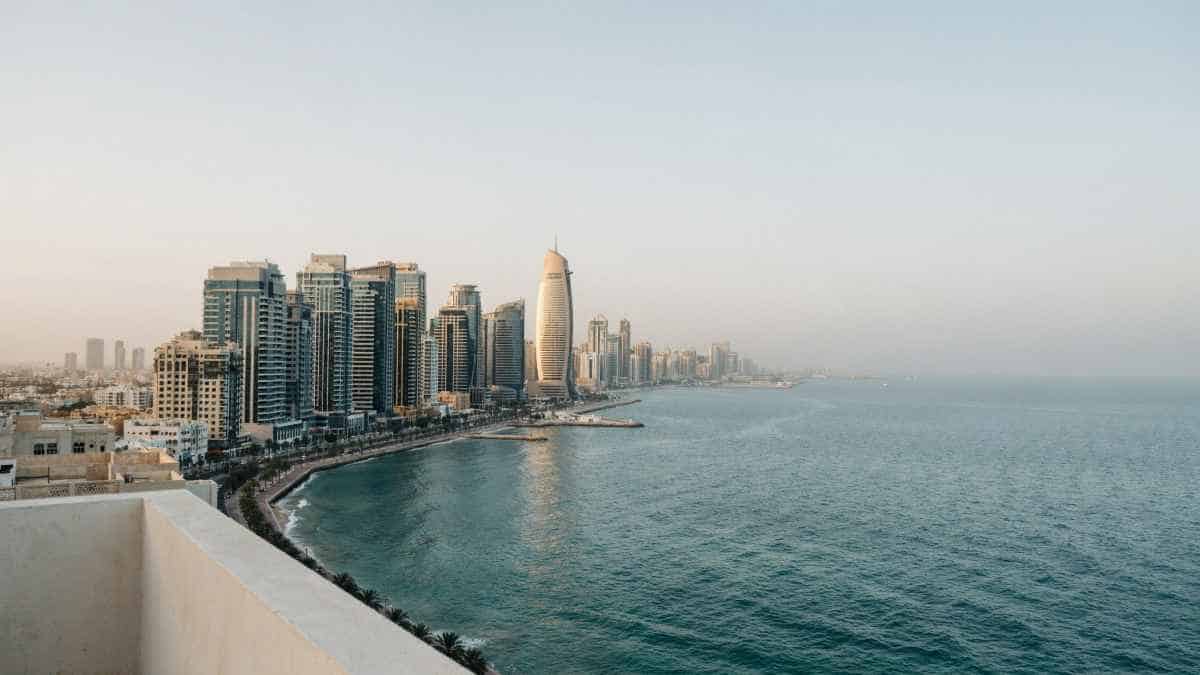
The Kingdom of Saudi Arabia is building its hospitality infrastructure as Vision 2030 investments are made to promote business travel, corporate events, and international tourism. Riyadh, Jeddah, and Dammam continue to serve as crucial corporate mobility hubs connecting government operations, business meetings, industry projects, and international commerce, with a demand for accommodations such as hotels and others. According to the Saudi Ministry of Tourism, there were more than 50 international hospitality brands expanding their activities in Saudi Arabia in June 2026. The total investments in tourism have exceeded US$120 billion, and the development plan foresees the addition of more than 200,000 hotel rooms by 2030. Approximately 50% of new room additions were anticipated to come from the private sector. In addition to growing hotel capacity, banks are now offering corporate payment solutions which are intended to assist companies with the control of expenses associated with business travel. This growth corresponds to two needs related to corporate mobility.
Riyadh Leads Corporate Travel and Event Demand
Riyadh is a major destination for business meetings, government engagements, investment conferences and international exhibitions. The capital’s growing role in Saudi Arabia’s economic diversification programme has increased the importance of accommodation that serves corporate visitors, from executive hotels to properties with conference facilities.
Advertisement
Advertisement
The city hosts events across sectors including finance, technology, construction, energy and tourism. Such gatherings can generate demand for guest rooms, meeting spaces, restaurants, airport transfers and other services, particularly when several events overlap.
A reported estimate places Saudi Arabia’s share of regional Middle East and North Africa business trips at 48.6%, with Riyadh, Jeddah and Dammam accounting for significant travel volumes. However, the figure could not be independently verified against a publicly available dataset with a clearly defined period and methodology.
Advertisement
Advertisement
For corporate travellers, the practical considerations remain hotel location, transport access, meeting schedules and the flexibility to amend bookings when business plans change.
Jeddah and Dammam Serve Different Business Markets
Jeddah connects commercial activity with Red Sea tourism and religious travel. Its business visitors include professionals involved in trade, logistics, retail, hospitality and major development projects. The city also provides access to the historic Al-Balad district and the Red Sea waterfront, offering opportunities for visitors to combine meetings with cultural experiences.
Advertisement
Advertisement
Dammam serves Saudi Arabia’s Eastern Province, an important centre for energy, industrial activity, logistics and manufacturing. Corporate visitors may travel between Dammam, Al Khobar and Dhahran, making accommodation location and road transfers important factors when organising work trips.
The three cities therefore serve different requirements within Saudi Arabia’s business travel market. Riyadh is closely associated with government, investment and corporate events, Jeddah combines commercial activity with coastal tourism, while Dammam supports travel linked to the industrial economy.
Advertisement
Advertisement
Vision 2030 Drives Hotel Investment
Saudi Arabia’s hospitality expansion forms part of its wider effort to diversify economic activity and attract more domestic and international visitors. The Ministry of Tourism’s June investment report highlighted the scale of the hotel development pipeline and the participation of international operators.
IHG Hotels & Resorts announced in June 2026 that it intended to introduce all six of its Luxury & Lifestyle brands into Saudi Arabia by 2028, adding to its existing portfolio and development plans. The announcement illustrates how international hotel groups are positioning themselves in the Kingdom’s evolving accommodation market.
For corporate travellers, additional hotel capacity can broaden the choice of locations, room categories and meeting facilities. New properties may also serve destinations outside established commercial centres, depending on where projects are completed.
However, planned hotel rooms should not be confused with rooms already open for bookings. Travellers arranging accommodation for conferences or industrial visits should confirm opening dates, location and available facilities before making reservations.
Advertisement
Advertisement
Mastercard Introduces Corporate Travel Payment Options
Corporate payment systems are another part of the changing business travel landscape. In May 2026, Riyad Bank and Mastercard announced a Travel and Expense corporate card programme designed to help companies manage employee travel spending.
The programme introduced two corporate card variants, with features intended to support travel and expense operations. For businesses sending employees between Riyadh, Jeddah and Dammam, corporate payment products can help organise eligible expenses and provide clearer records for finance teams.
American Express also operates corporate and business payment services in Saudi Arabia, alongside travel-related benefits for eligible cardholders. The precise features available depend on the product, issuing institution and terms of the account.
These payment systems do not automatically integrate with every hotel procurement platform or replace company expense policies. Businesses should verify acceptance, fees, spending controls and reporting functions before selecting a corporate card programme.
What Business Travellers Should Check Before Booking
Corporate visitors who are arranging business trips to Saudi Arabia must consider the relative locations of their meeting place with the accommodations that are chosen for them, especially in cases where they have meetings in several business districts or in different cities. The time that is required to get there by transport, the conference schedule, and even the cancellation policy can be just as significant as the cost per night. In case companies are organising big delegations, then they have to ensure that the hotel can provide meeting space and invoicing facilities for them. Early booking can prove helpful in such cases where there are some big conferences.
Advertisement
