
Croatia Emerges as a Global Tourism Giant as Millions of Travellers Discover Its Adriatic Coast, Ancient Heritage, Luxury Experiences and Economic Growth Story, Fuelled by Sustainable Tourism, European Integration and Rising Global Demand

Published
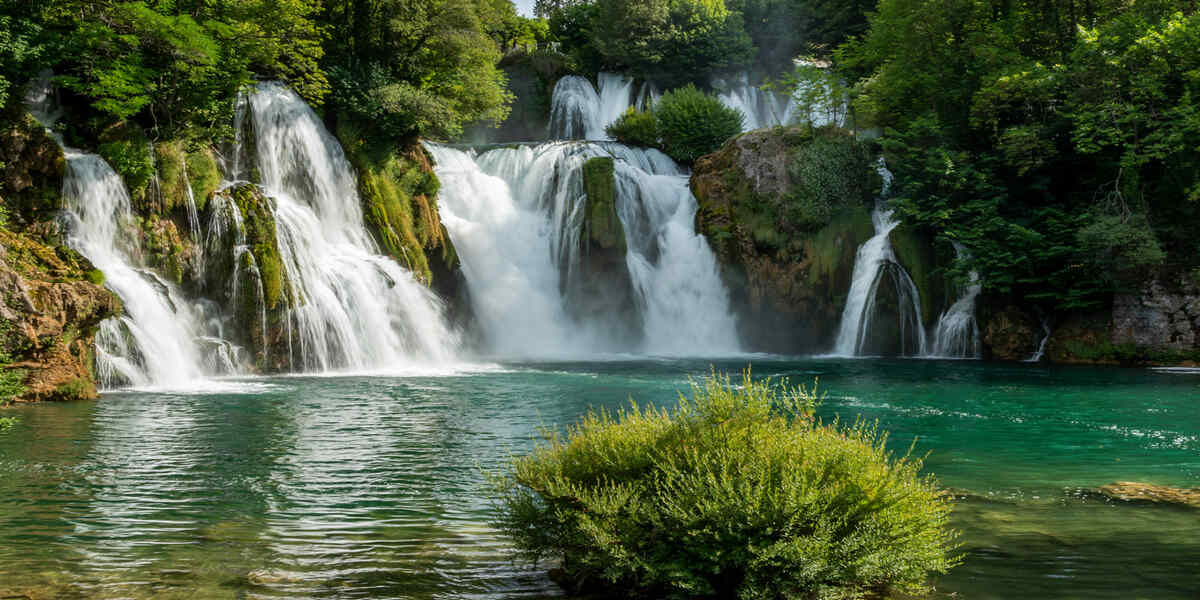
Image generated with Ai
Croatia has become a global tourism powerhouse because its spectacular Adriatic coastline, rich cultural heritage, luxury travel offerings, and strong economic development have attracted millions of visitors from around the world. The Mediterranean nation continues to gain international attention with its historic cities, breathtaking islands, UNESCO landmarks, and diverse travel experiences, while tourism remains a major force behind its economic growth. Supported by European Union integration, government investment, and sustainable tourism strategies, Croatia is successfully transforming its natural and cultural assets into a long-term global travel success story.
Croatia has transformed itself from a Mediterranean coastal destination into one of Europe’s most recognised tourism success stories. With its spectacular Adriatic coastline, historic cities, thousands of islands, and cultural treasures, the country has become a magnet for millions of international travellers every year. Tourism is not only a key attraction for visitors but also one of the strongest pillars of Croatia’s economy, generating significant revenue, supporting employment, and strengthening international connections.
Advertisement
Advertisement
Today, Croatia stands among the world’s most popular tourism destinations, ranking within the top 20 countries attracting international visitors. At the same time, the country is working to balance its tourism-driven economy with wider economic development, supported by government investment, European Union cooperation, and growing integration into global markets.
Tourism Becomes Croatia’s Economic Engine Through Global Visitor Demand
Tourism has become one of the most important sources of revenue for Croatia, playing a central role in the country’s economic development. The sector supports thousands of businesses, including hotels, restaurants, transport companies, tour operators, retail services, and local enterprises across coastal and inland regions.
Advertisement
Advertisement
The country’s natural beauty has been the foundation of its tourism success. The blue waters of the Adriatic Sea, dramatic landscapes, historic architecture, and unique island culture have helped Croatia attract visitors from across Europe and beyond.
Cities such as Dubrovnik, Split, Zadar, Zagreb, and Rovinj have become internationally recognised destinations. Dubrovnik’s medieval walls, Split’s Roman heritage, and Croatia’s island landscapes have created a tourism identity built around history, nature, and authentic experiences.
Advertisement
Advertisement
Beyond traditional beach holidays, Croatia has expanded its tourism offering. The country now attracts visitors interested in cultural tourism, adventure travel, sailing, gastronomy, wellness, and sustainable tourism experiences.
This diversification has helped Croatia move beyond being only a summer holiday destination and has encouraged visitors to explore the country throughout the year.
Why Croatia Ranks Among the World’s Most Popular Tourist Destinations
Croatia’s position among the world’s top 20 most popular tourist destinations reflects decades of investment in hospitality, infrastructure, and destination development.
The country’s strongest tourism advantage remains its Adriatic coastline. With more than a thousand islands and a long coastal landscape, Croatia offers some of Europe’s most attractive locations for beach tourism, sailing, luxury travel, and marine adventures.
Nautical tourism has become a particularly important segment. Croatia’s islands, ports, and marinas have made it one of the leading sailing destinations in the Mediterranean. Visitors from around the world travel to experience island-hopping, private yacht journeys, and coastal exploration.
Cultural tourism is another major strength. Croatia’s historic cities showcase centuries of European influence, including Roman, Venetian, and medieval heritage. UNESCO-listed locations, ancient monuments, and traditional communities provide travellers with experiences beyond typical holidays.
Advertisement
Advertisement
The country has also gained popularity through nature-based tourism. National parks, mountain areas, cycling routes, and outdoor activities attract travellers seeking adventure and environmentally conscious experiences.
Meanwhile, Croatian food and wine tourism continue to grow. Local seafood, traditional dishes, olive oil production, and regional wines have become important parts of the visitor experience.
Government Plays a Major Role in Supporting Economic Development
Although tourism is driven by private businesses, the Croatian government continues to maintain an important role in the economy through public spending, investment programmes, and development strategies.
Government expenditure supports essential sectors such as transport infrastructure, healthcare, education, digital transformation, and regional development.
Infrastructure investment has been particularly important for tourism growth. Improved roads, airports, ports, and public facilities have helped connect visitors with Croatia’s coastal destinations and inland attractions.
The government also focuses on strengthening economic competitiveness by supporting modern industries and improving business conditions.
Advertisement
Advertisement
Croatia’s economic model combines private-sector activity with government involvement in strategic areas. This approach allows the country to benefit from tourism growth while investing in long-term national development.
Public investment has also supported projects designed to improve sustainability, energy efficiency, and digital services. These efforts are aimed at creating a more modern economy capable of competing within Europe.
European Union Becomes Croatia’s Strongest Economic Partner
The European Union represents Croatia’s most important economic partnership. Since joining the EU in 2013, Croatia has become increasingly connected with European markets, businesses, and investment networks.
EU membership has provided Croatia with access to the single market, allowing easier movement of goods, services, investment, and labour.
The European Union has also played an important role in supporting Croatia’s development through financial programmes and investment opportunities. EU funding has contributed to infrastructure improvements, economic modernisation, and projects supporting digital and environmental transformation.
Croatia’s strongest trade relationships are with European countries. Major partners include Germany, Italy, Slovenia, Austria, and Hungary.
Advertisement
Advertisement
Trade with EU countries covers a wide range of sectors, including manufactured goods, machinery, food products, pharmaceuticals, and services.
The close relationship with the EU has helped Croatia strengthen its economic stability and increase its international competitiveness.
Croatia’s Integration Into Europe Reaches a New Level
Croatia’s European integration has advanced significantly in recent years. The country joined the Schengen Area and adopted the euro currency in 2023, marking major milestones in its economic and political development.
Schengen membership has simplified travel between Croatia and other European countries by removing border controls within the Schengen zone. This change has been particularly beneficial for tourism, making travel easier for millions of European visitors.
The adoption of the euro has also strengthened economic connections with other eurozone countries. It has reduced currency exchange challenges for businesses and travellers while increasing financial integration with Europe.
For the tourism industry, these developments have created a smoother travel experience and strengthened Croatia’s position as an accessible European destination.
Advertisement
Advertisement
Tourism Success Also Creates New Economic Challenges
Despite tourism’s enormous contribution to Croatia’s economy, dependence on the sector creates challenges.
One of the biggest concerns is seasonality. A large share of tourism activity takes place during the summer months, particularly along the Adriatic coast. This creates pressure on infrastructure during peak periods while leaving some destinations quieter during the rest of the year.
Croatia is therefore working to develop year-round tourism by promoting cultural travel, wellness holidays, business events, rural tourism, and outdoor experiences.
Another challenge is maintaining a balance between tourism growth and environmental protection. Popular destinations must manage visitor numbers while preserving natural landscapes, historical sites, and local communities.
Sustainable tourism has become increasingly important as Croatia seeks to protect the resources that make it attractive to visitors.
Croatia Looks Beyond Tourism Towards a More Diversified Economy
While tourism remains the country’s economic powerhouse, Croatia is also working to expand other industries.
Advertisement
Advertisement
Economic diversification has become a priority, with attention focused on technology, innovation, renewable energy, manufacturing, and knowledge-based sectors.
The government aims to create an economy that combines tourism strength with new opportunities for investment and employment.
Digital transformation, improved education, and infrastructure development are expected to play important roles in Croatia’s future economic growth.
By strengthening multiple sectors, Croatia hopes to reduce dependence on tourism while maintaining its position as one of Europe’s leading travel destinations.
The Future of Croatia: A Balance Between Tourism Strength and Economic Growth
Croatia’s journey demonstrates how tourism can transform a nation’s economic landscape. The country has successfully used its natural beauty, cultural heritage, and strategic European location to build a powerful global tourism brand.
However, the future of Croatia depends on maintaining balance. Tourism will continue to be a major source of revenue, but sustainable development, economic diversification, and European cooperation will determine the country’s long-term success.
Advertisement
Advertisement
With strong tourism foundations, growing international connections, and continued investment, Croatia is positioned to remain one of Europe’s most influential travel destinations while building a more resilient and modern economy.
Croatia has become a global tourism giant by turning its breathtaking Adriatic coastline, ancient heritage, luxury experiences, and cultural treasures into a powerful international travel brand. Millions of travellers now choose the European nation for its iconic islands, historic cities, and diverse tourism offerings, while strong economic growth and European integration continue to strengthen its position as a leading destination.
Croatia’s rise as one of the world’s most popular tourist destinations highlights the extraordinary power of tourism in transforming a nation’s economy. Its stunning Adriatic coastline, historic cities, cultural heritage, and diverse travel experiences have turned the country into a global tourism hotspot and a major source of economic revenue. However, Croatia’s future success will depend on more than tourism alone. By combining strong visitor demand with government investment, sustainable development, economic diversification, and deeper European Union integration, Croatia is building a stronger and more resilient economy. As the country continues to welcome travellers from around the world, it is also strengthening its position as a modern European nation where tourism, trade, and innovation work together to drive long-term growth.
Advertisement
