

Christmas Island Issues Early New Travel Guidance as Red Crab Migration Preparations Begin for the 2026–27 Season

Published
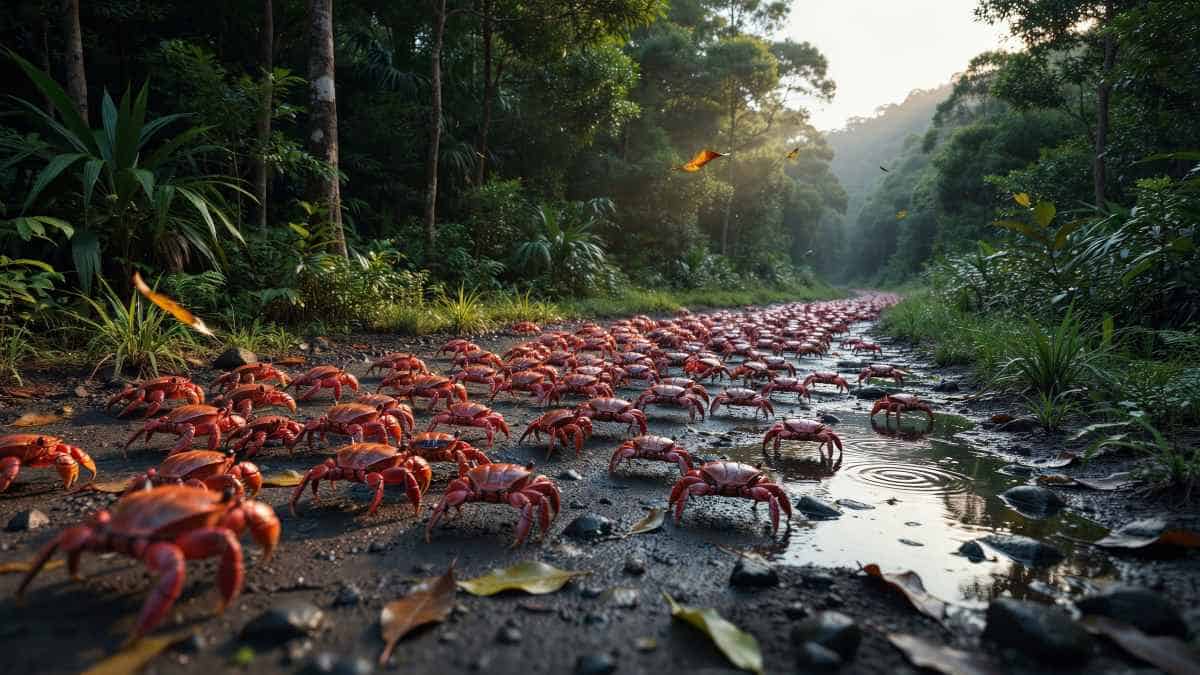
Already, Christmas Island is preparing itself for one of the world’s most incredible wildlife events. The official tourism board, along with tour operators from the region, has released updated travel information for the 2026–27 Red Crab Migration and Breeding Season, urging travellers to make prior arrangements for their stay and four-wheel drive vehicle rentals before the start of the event. Although the migration itself is likely to happen during specific lunar periods in November, December and January, preparations have started well in advance as the demand for tourism on the island keeps increasing. The migration itself is much more than an attraction for the fans of wildlife and photography.
One of Nature’s Greatest Migrations
Every year, millions of red crabs leave the island’s dense rainforest and begin an extraordinary march towards the coastline.
Advertisement
Advertisement
The migration is closely linked to seasonal rainfall and lunar cycles, with the final spawning phase timed to coincide with favourable ocean conditions.
During this period, roads, walking trails and sections of the national park become part of one of the largest land-animal migrations on Earth.
Advertisement
Advertisement
For many visitors, witnessing millions of bright red crabs moving together across the landscape is an experience unlike any other.
Forecasts Help Visitors Plan Ahead
Although the exact timing depends on rainfall and natural conditions, tourism operators have identified the principal migration window around key lunar dates between November 2026 and January 2027.
Advertisement
Advertisement
The early guidance allows visitors to begin organising flights, accommodation and guided tours before peak demand develops.
Unlike many wildlife events announced only weeks in advance, Christmas Island’s tourism industry encourages early planning because visitor capacity on the island is naturally limited.
Advertisement
Advertisement
The forecasts provide flexibility while recognising that nature ultimately determines the migration schedule.
Accommodation Demand Builds Quickly
Christmas Island has a relatively small tourism infrastructure compared with mainland destinations.
Hotels, guesthouses and holiday apartments often reach capacity during the migration season as wildlife enthusiasts arrive from across Australia and overseas.
Tourism authorities are therefore encouraging visitors to reserve accommodation several months before travelling.
Advertisement
Advertisement
Early bookings also provide travellers with greater choice of lodging and tour packages during one of the island’s busiest periods.
Four-Wheel-Drive Vehicles Become Essential
Exploring Christmas Island during the migration often involves travelling beyond the island’s main settlements.
Many popular wildlife viewing areas are accessed via roads leading into national park landscapes, making 4WD vehicle hire particularly valuable during the migration season.
Rental availability becomes increasingly limited as visitor numbers rise, prompting authorities to advise travellers to secure vehicles alongside accommodation.
The recommendation is intended to help visitors explore the island more comfortably while reducing last-minute booking challenges.
Wildlife Tourism Continues to Grow
The Red Crab Migration remains the single biggest driver of wildlife tourism on Christmas Island.
Advertisement
Advertisement
Unlike conventional sightseeing attractions, the migration offers visitors the opportunity to observe a natural event that cannot be replicated elsewhere.
Photographers, filmmakers, scientists and nature enthusiasts travel specifically to witness the phenomenon, contributing to a growing reputation for the island as one of Australia’s leading eco-tourism destinations.
The migration also complements other nature experiences available throughout the year, including birdwatching, rainforest hiking and marine wildlife encounters.
Conservation Remains Central to the Visitor Experience
Protecting the migration remains a priority for Christmas Island National Park and local authorities.
Temporary road closures, specially constructed crab bridges and wildlife crossings help minimise impacts on migrating crabs while allowing residents and visitors to move safely around the island.
Visitors are encouraged to follow designated viewing areas, respect temporary traffic restrictions and avoid disturbing wildlife during the migration.
Advertisement
Advertisement
This balance between tourism and conservation has become one of the defining features of Christmas Island’s visitor strategy.
Beyond the Red Crabs
Travellers visiting during the migration often extend their holidays to experience the island’s broader attractions.
Christmas Island National Park offers rainforest walks, dramatic coastal cliffs and spectacular lookouts, while the surrounding waters provide opportunities for snorkelling, diving and seasonal marine wildlife encounters.
Many visitors also explore Flying Fish Cove, The Blowholes, Dolly Beach and the island’s limestone cave systems, creating a holiday that combines wildlife observation with outdoor adventure.
Nearby Attractions to Visit
- Christmas Island National Park
- Flying Fish Cove
- The Blowholes
- Dolly Beach
- Lily Beach
- Margaret Knoll Lookout
- The Grotto
- Hugh’s Dale Waterfall
- Greta Beach
- Ethel Beach
Nearest Airport and Travel Distances
Christmas Island Airport (XCH) serves as the island’s only commercial airport.
- Christmas Island Airport to Flying Fish Cove: Approximately 6 km
- Christmas Island Airport to Christmas Island National Park Visitor Centre: Approximately 8 km
- Christmas Island Airport to Dolly Beach: Approximately 16 km
- Perth to Christmas Island: Approximately 2,600 km by air via scheduled direct services on selected days.
Because transport options are limited, visitors are advised to arrange flights, accommodation and vehicle hire together.
Advertisement
Advertisement
Local Currency
The official currency of Christmas Island is the Australian Dollar (AUD).
Key Stats
- Event: Red Crab Migration and Spawning Season
- Forecast period: Late 2026 to January 2027
- Peak migration guidance: November, December and January lunar periods
- Visitor advice:
- Book accommodation early
- Reserve 4WD vehicles in advance
- Tourism focus: Wildlife tourism and eco-tourism
Timeline and Events
- Late 2026: Tourism operators release migration forecasts.
- November 2026: First key migration and spawning window expected, subject to rainfall and lunar conditions.
- December 2026: Additional migration activity anticipated.
- January 2027: Final spawning phases expected during favourable lunar cycles.
- Visitors advised to complete bookings well ahead of the seasonal travel period.
FAQ
1. When is the Red Crab Migration expected?
The principal migration and spawning periods are anticipated around key lunar dates during November and December 2026 and January 2027, although timing depends on rainfall and natural conditions.
2. Why should travellers book early?
Accommodation and four-wheel-drive vehicle rentals are limited on Christmas Island and typically experience high demand during the migration season.
3. What makes the migration special?
Millions of red crabs leave the rainforest and travel to the coast to spawn, creating one of the world’s most remarkable wildlife migrations.
Dates
- November 2026
- December 2026
- January 2027
Conclusion
Red Crab Migration continues to be an important aspect of Christmas Island when it comes to some of the most exciting wildlife sites found in Australia. It is through the help of the Tourism Bureau that tourists will be adequately prepared for a trip that involves time and nature as some of the key ingredients by providing information on how to get there before the first crab does. For tourists courageous enough to take up the challenge, they will be privileged to see a rare occurrence of nature that happens elsewhere too.
Advertisement
