

Saudi Arabia Leads Egypt and Jordan in New Red Sea Yachting Tourism Pact

Published
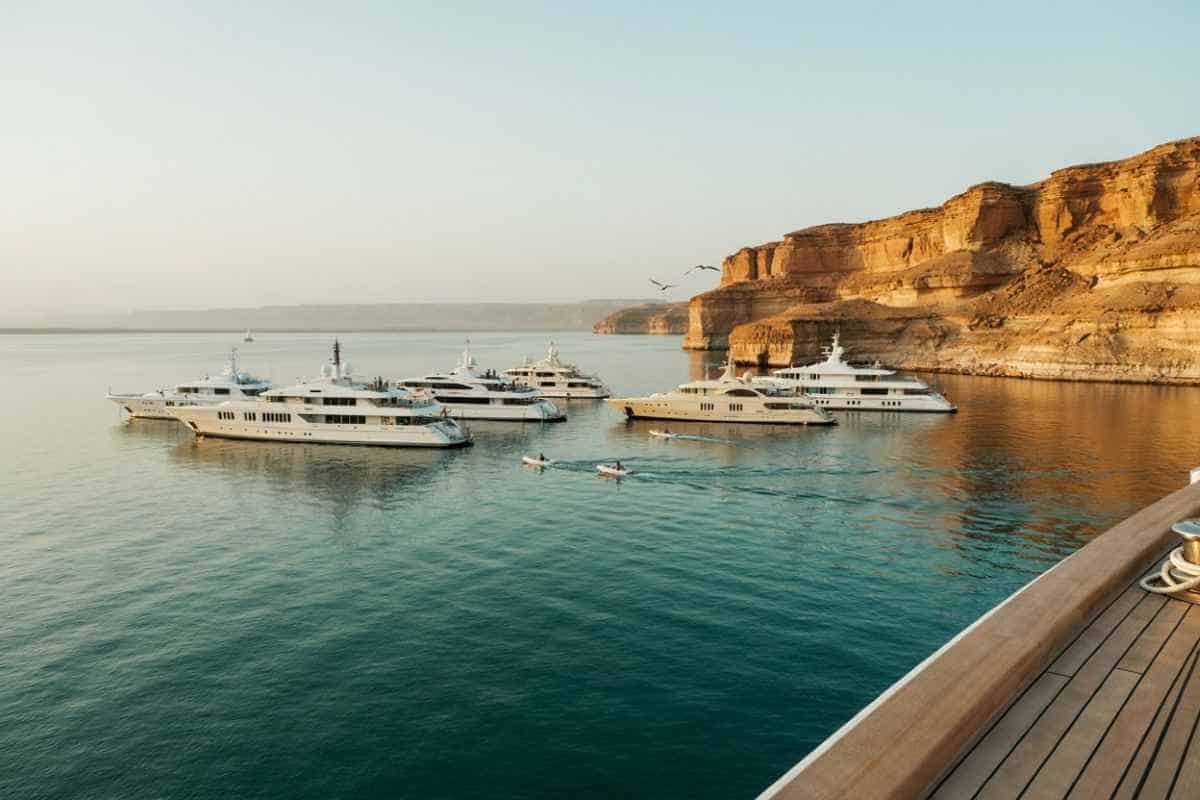
Saudi Arabia Leads Egypt and Jordan in New Red Sea Yachting Tourism Pact. The NEOM region of Saudi Arabia, Sharm El-Sheikh of Egypt, and Aqaba of Jordan are to be included in a joint Red Sea maritime tourism framework pursuant to a new agreement reached among the three nations. Their tourism departments have signed a joint coastal tourism protocol regarding the entry of superyachts, navigation fees, and scuba diving rules within the waters of the Gulf of Aqaba and the northern Red Sea. The agreement is expected to come into effect on 1 November 2026. This agreement includes an integrated digital permit system for private boats and luxury cruise ships that travel among the participating maritime destinations. In addition, there will be a real-time exchange of passenger manifest information using biometrics among the maritime patrol services in order to minimise repeat checks on qualifying voyages. For tourists from abroad, this framework may facilitate planning of sailing holidays, diving trips, and luxury coastal cruises to the three Red Sea tourism markets.
Saudi Arabia, Egypt and Jordan Connect Their Red Sea Destinations
The three countries offer distinct coastal experiences, ranging from emerging luxury developments and established resort destinations to marine conservation areas and historic waterfront settlements.
In Saudi Arabia, Neom forms part of the country’s wider Red Sea development strategy, with coastal landscapes, marine environments and planned hospitality projects contributing to its tourism ambitions. The wider north-western region also offers access to the Gulf of Aqaba and surrounding desert landscapes.
Egypt has an established international tourism market along the Red Sea, with Sharm El-Sheikh among its most recognised destinations. The resort city attracts international visitors through its beaches, diving centres, luxury hotels and access to marine environments. Ras Mohammed National Park is particularly significant for underwater tourism, offering opportunities to explore coral reefs and marine biodiversity.
Advertisement
Advertisement
Jordan’s Aqaba provides another important gateway to the Gulf of Aqaba. The coastal city attracts visitors through its diving sites, beaches, marine activities and proximity to the ancient archaeological destination of Petra and the desert landscapes of Wadi Rum.
The proposed maritime corridor seeks to connect these destinations through more coordinated vessel-entry procedures and navigation arrangements.
Advertisement
Advertisement
A Single Digital Permit for Private Yachts and Cruise Operators
One of the central features of the agreement is the introduction of a synchronised single-window digital permit for eligible private vessels and luxury cruise lines.
Under the proposed system, operators travelling between Neom, Sharm El-Sheikh and Aqaba would be able to complete relevant maritime authorisation procedures through a coordinated digital platform rather than navigating entirely separate administrative processes at every participating destination.
The framework also aims to harmonise navigation fees and superyacht entry requirements, creating a more consistent operating environment for international vessel owners and charter companies.
For luxury travellers, this could provide additional flexibility when arranging private sailing holidays across the northern Red Sea. A yacht itinerary could potentially combine stays in Saudi Arabia, Egypt and Jordan, allowing visitors to experience different coastal settings within one journey.
However, the proposed permit would apply to qualifying maritime movements and would not automatically replace national immigration requirements, customs procedures or other mandatory vessel documentation.
Diving Tourism and Marine Activities Across the Gulf of Aqaba
The agreement also addresses diving regulations, an important consideration for the region’s international marine tourism market.
Advertisement
Advertisement
The Gulf of Aqaba is recognised for its coral reefs, underwater ecosystems and recreational diving opportunities. Its coastal destinations attract divers interested in marine biodiversity, underwater photography, snorkelling and specialised diving excursions.
Sharm El-Sheikh remains an established base for Red Sea diving holidays, with access to recognised sites around Ras Mohammed and the wider Tiran Strait area. Aqaba offers visitors access to coral reefs, underwater attractions and a range of diving facilities along Jordan’s coastline.
Saudi Arabia’s Red Sea tourism developments are also placing greater attention on marine experiences, including diving, sailing and coastal hospitality.
Harmonised diving regulations could make it easier for tourism operators to coordinate excursions and communicate safety requirements across participating destinations. Nevertheless, local environmental restrictions, protected-area rules and individual diving qualifications would continue to determine where and how visitors can participate.
Biometric Manifest Sharing and Maritime Border Procedures
Another important component involves real-time sharing of biometric manifest information between participating maritime border patrol authorities.
The proposed arrangement is designed to reduce repeated passenger verification procedures when private vessels and qualifying cruise services move between participating ports.
Advertisement
Advertisement
For yacht operators, coordinated passenger information could simplify the administrative process involved in multi-country sailing itineraries. It could also support more predictable arrival arrangements at designated maritime entry points.
The system would remain subject to national data-protection requirements, immigration rules and the operational procedures established by the participating authorities. Travellers would still need to carry the appropriate identification and entry documentation for each country.
Luxury Coastal Tourism and Regional Hospitality
The proposed corridor could also support the wider hospitality sectors of the three countries by encouraging longer stays and multi-destination bookings.
Saudi Arabia’s developing Red Sea tourism offering, Egypt’s established resort infrastructure and Jordan’s coastal hospitality sector provide different accommodation and leisure experiences for international visitors.
Yacht charter companies, marinas, diving centres, hotels, restaurants and excursion providers could benefit from increased movement between participating destinations.
Tour operators may also find opportunities to develop packages combining private sailing, resort accommodation, diving excursions and cultural visits. Such itineraries could appeal particularly to travellers seeking luxury holidays with access to both marine activities and inland attractions.
Implementation Scheduled for November 2026
The Red Sea Eco-Yachting and Coastal Tourism Protocol is scheduled to take effect on 1 November 2026. Its practical implementation will depend on the participating ports, digital permit procedures, navigation-fee arrangements, vessel eligibility and the final operational rules governing biometric manifest exchanges. Private yacht owners, cruise operators and international travellers planning maritime journeys across Saudi Arabia, Egypt and Jordan will need to check the applicable entry requirements, vessel documentation and local marine regulations before departure. The agreement brings three Red Sea tourism markets into a coordinated maritime framework, with luxury yachting, diving holidays and coastal resort experiences forming its principal areas of focus.
Advertisement
