
Havana and Santo Domingo Among Other Caribbean Cities, Invest in Cycling Infrastructure to Uplift Transportation and Create Innovative Tourism Opportunities

Published
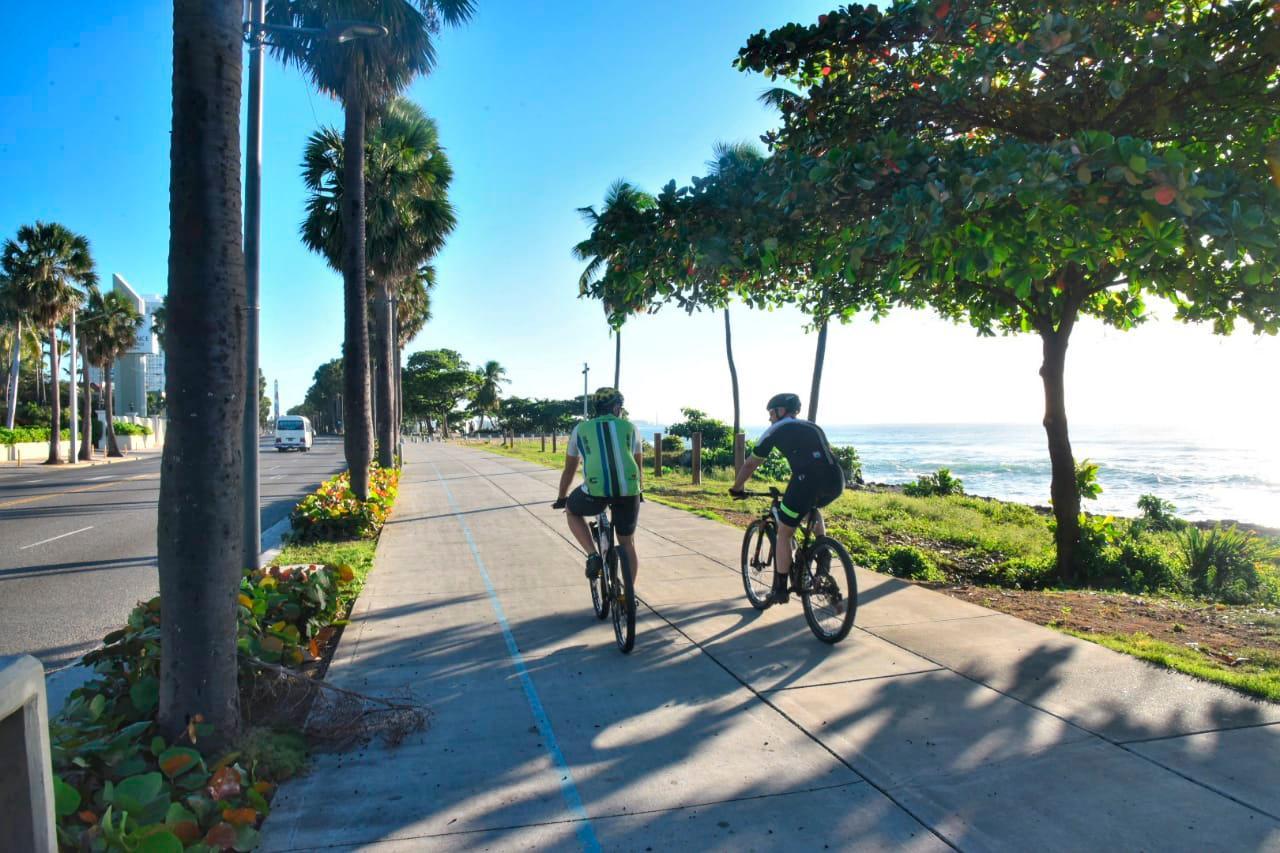
Caribbean cities are increasingly investing in cycling infrastructure, waterfront recreation and sustainable transportation to improve urban mobility and create new tourism opportunities. Havana, Santo Domingo, San Juan and Georgetown are among the destinations advancing bicycle-friendly projects through infrastructure upgrades, government planning and urban development initiatives. These investments aim to improve road safety, reduce dependence on private vehicles and encourage visitors to explore cultural attractions, waterfront districts and local neighborhoods. However, progress varies significantly. While some cities have delivered infrastructure, others are still developing proposals or securing financing. The emerging trend highlights cycling’s growing role in the Caribbean’s transportation and tourism future.
Caribbean Cities Investing in Cycling Infrastructure and Sustainable Tourism
| City and destination | Cycling investment or development | Reported investment and scale | Latest documented position | Tourism and economic significance |
|---|---|---|---|---|
| Havana, Cuba | Proposed safe cycling infrastructure, bicycle parking, bike-sharing expansion and a citywide cycling master plan | Approximately US$7.20 million allocated within a sustainable mobility plan | Investment package identified in the 2025 MobiliseYourCity monitoring report; full delivery and financing not established | Potential for cycling-based heritage tours, neighbourhood exploration, local cycle hire and low-carbon sightseeing |
| Santo Domingo, Dominican Republic | Malecón Deportivo development, cycling and walking circuits, and wider sustainable urban mobility planning | Nearly 2 km of waterfront regeneration; separate citywide mobility plan estimated at US$2.6 billion across several transport modes | Malecón Deportivo inaugurated on 23 April 2026; wider mobility initiatives under implementation planning | Recreational cycling, waterfront tourism, sports events and improved access to attractions |
| San Juan, Puerto Rico | New cycling lanes associated with the renovation and resurfacing of Avenida Gándara in Río Piedras | US$79.5 million announced for six municipal infrastructure projects collectively, not exclusively cycling | Projects announced in February 2025; completion of the planned lanes not independently confirmed | Improved connections between urban districts, neighbourhood businesses and visitor activities |
| Georgetown, Guyana | Cycling lanes integrated into the upgraded Aubrey Barker Road corridor, alongside pedestrian facilities and lighting | Approximately G$6 billion for the 4.4 km road development, including motor-vehicle infrastructure | Government reported the upgraded corridor in 2026 | Safer local access, improved urban mobility and possible opportunities for guided cycling experiences |
| George Town, Grand Cayman, Cayman Islands | City-centre regeneration featuring pedestrian-friendly streets and spaces shared by cyclists and motorists | Cycling-specific expenditure not separately published in reviewed records | Phase 2 revitalisation substantially completed in May 2025; further government updates in October 2026 | Improved accessibility for cruise visitors, local businesses, walkers and cyclists |
| Bridgetown, Barbados | National physical development policies provide for cycling facilities, bicycle parking, active travel connections and multimodal mobility nodes | No verified cycling-specific capital allocation in reviewed documentation | Policy framework published; construction of a connected cycling network not established | Potential for heritage-area cycling, car-free visitor experiences and sustainable transport |
| Vega Alta, Puerto Rico | Feasibility and preliminary design of bicycle lanes on PR-690, PR-693 and PR-6690 | US$70,000 federal funding plus US$14,000 transport-development contribution listed in planning documentation | Study scheduled October 2026–October 2027 | Potential links between residential areas, tourism corridors and local commercial destinations |
Why Are Caribbean Cities Increasingly Investing in Cycling Infrastructure?
Caribbean cities face growing pressure to improve transportation systems while accommodating residents, international visitors and expanding commercial activity. Traffic congestion, limited public transportation options and increasing demand for sustainable travel are encouraging governments to consider cycling as part of wider urban development strategies.
Advertisement
Advertisement
Bicycle infrastructure can help cities address several challenges simultaneously. Dedicated lanes, safer intersections and improved bicycle parking can make short-distance journeys more practical. These improvements may also reduce transportation expenses for residents who rely on bicycles.
For tourism destinations, cycling creates opportunities to diversify traditional sightseeing experiences. Visitors can explore historical neighborhoods, coastal promenades and commercial districts without depending entirely on taxis or rental vehicles.
Advertisement
Advertisement
However, building isolated bicycle lanes is rarely sufficient. Successful cycling networks require continuous routes, clear signage, traffic management and regular maintenance.
Cities investing in these systems are therefore pursuing more than recreational improvements. They are considering how transportation infrastructure can support long-term urban accessibility, economic development and environmental resilience.
Advertisement
Advertisement
How Is Havana Positioning Cuba as a Major Cycling Investment Destination?
Havana has developed one of the Caribbean’s most detailed cycling investment strategies through its Sustainable Urban Mobility Plan. The plan identifies approximately €6.08 million in proposed cycling-related measures, covering infrastructure improvements, bicycle-sharing services, parking facilities and public awareness initiatives.
The largest proposed allocation, approximately €3.49 million, concerns safer cycling infrastructure and parking. Another €2.48 million is associated with expanding bicycle-sharing services.
Smaller allocations address cycling education, master planning and bicycle sales and repair networks.
Havana has already demonstrated interest in shared cycling through its earlier Neomovilidad initiative. A public bicycle-rental pilot recorded more than 13,000 services, providing evidence of demand for alternative mobility options.
Nevertheless, the investment estimates should not be interpreted as completed expenditure. Implementation depends on financing, institutional coordination and infrastructure delivery.
If the wider program advances, Havana could strengthen connections between residential neighborhoods, cultural landmarks and tourism districts while expanding opportunities for local bicycle-related businesses.
Advertisement
Advertisement
What Makes Santo Domingo’s Waterfront Development Important for Cycling Tourism?
Santo Domingo is strengthening its recreational infrastructure through the Malecón Deportivo project, inaugurated in April 2026. The development covers nearly two kilometers of waterfront space and forms part of broader efforts to improve public amenities along the Dominican capital’s coastline.
The project provides additional recreational opportunities in an area that already attracts residents and visitors seeking coastal experiences.
For cyclists, accessible waterfront environments can encourage recreational journeys, particularly when connected with safer streets and surrounding attractions.
The development could also support local restaurants, tourism operators and businesses serving visitors along the waterfront.
However, Santo Domingo’s recreational improvements should not be confused with the completion of a comprehensive protected bicycle network.
The city is also pursuing wider sustainable mobility planning involving multiple transportation modes.
Advertisement
Advertisement
The key challenge will be connecting waterfront destinations with residential districts, cultural landmarks and commercial areas.
Such connections could increase the economic benefits of public-space investment while making cycling more practical beyond occasional leisure activities.
How Could San Juan’s Bicycle Lane Projects Improve Puerto Rico’s Urban Transportation?
San Juan has identified bicycle infrastructure within a broader municipal improvement program intended to modernize streets and strengthen neighborhood connectivity.
One notable proposal involves Avenida Gándara in Río Piedras, where renovation and resurfacing plans include new bicycle lanes.
The project was announced alongside other municipal infrastructure initiatives collectively valued at approximately $79.5 million. Importantly, this figure represents funding for several projects rather than an allocation exclusively dedicated to cycling.
For Río Piedras, improved bicycle facilities could create safer connections between residential neighborhoods, local businesses and educational institutions.
Advertisement
Advertisement
San Juan also has considerable potential for tourism-oriented cycling experiences because of its coastal setting, historic attractions and established visitor economy.
Nevertheless, bicycle lanes become more useful when they form continuous networks rather than disconnected segments.
As of October 2026, completion of the proposed Avenida Gándara bicycle lanes had not been independently established in the reviewed documentation.
Their eventual impact will depend on implementation, intersection safety, maintenance and connections with surrounding streets.
Why Is Georgetown Emerging as a Notable Example of Completed Cycling Infrastructure?
Georgetown, Guyana, has demonstrated measurable progress through the reconstruction of Aubrey Barker Road, a major transportation corridor serving communities in the southern part of the capital.
The approximately G$6 billion project covers 4.4 kilometers and was officially commissioned in April 2026. Improvements include four traffic lanes, drainage systems, sidewalks, road lighting and bicycle lanes along sections of the corridor.
Advertisement
Advertisement
Unlike proposals awaiting construction, the upgraded roadway represents completed infrastructure that already serves local transportation needs.
The investment strengthens connections between residential communities and important road networks, potentially improving access to employment, shopping and public services.
For cycling, the inclusion of designated facilities marks an important step toward accommodating different road users.
However, Georgetown’s development remains primarily a transportation project rather than a dedicated cycling tourism scheme.
Its longer-term value will depend on whether similar facilities extend into other neighborhoods and connect with waterfront attractions, commercial districts and established tourism routes.
Can George Town’s Urban Revitalization Support More Bicycle-Friendly Tourism?
George Town in the Cayman Islands is pursuing urban revitalization to improve accessibility, public spaces and the overall experience of residents and visitors.
Advertisement
Advertisement
The George Town Revitalisation Initiative has introduced improvements to central streets, pedestrian environments, lighting and landscaping.
The government reported substantial completion of the initiative’s second phase in May 2025, marking an important milestone in the modernization of the capital’s commercial center.
These improvements could benefit cyclists indirectly by creating more attractive streets and strengthening connections between shopping areas, restaurants and visitor attractions.
For cruise passengers, accessible city-center environments can make short recreational excursions more appealing.
However, George Town’s redevelopment should not be presented as a completed protected bicycle-lane network.
Shared streets require careful management because cyclists, pedestrians and motorists have different safety needs.
Advertisement
Advertisement
Further cycling-specific investment could help the city capitalize on its tourism economy while encouraging visitors to explore neighborhoods beyond the immediate cruise terminal.
How Is Bridgetown Incorporating Cycling Into Barbados’ Future Development Plans?
Bridgetown’s potential transformation is linked to Barbados’ wider physical development policies, which increasingly recognize sustainable transportation as an important component of infrastructure planning.
The country’s Physical Development Plan 2023 establishes a framework for guiding development, transportation improvements and climate-resilient communities.
Its strategic policies provide for bicycle lanes or shared-use paths within specified categories of major new developments.
This approach could help introduce cycling infrastructure gradually as roads, commercial properties and residential areas undergo modernization.
For Bridgetown, improved cycling connections could support heritage tourism, particularly around the historic city center and surrounding cultural attractions.
Advertisement
Advertisement
Cycling could also offer residents an alternative for shorter journeys where traffic conditions and infrastructure permit.
Nevertheless, policy commitments are not equivalent to completed construction.
The reviewed documentation does not establish a specific funded, citywide bicycle network for Bridgetown.
Future progress will depend on capital allocations, project design, road safety measures and effective implementation of the national planning framework.
Which Other Caribbean Destinations Could Benefit From Expanding Bicycle Networks?
Beyond the leading projects, several Caribbean destinations have opportunities to incorporate cycling into future transportation and tourism development.
Vega Alta in Puerto Rico has identified a bicycle-lane feasibility initiative covering the PR-690, PR-693 and PR-6690 corridors. The study, scheduled for October 2026 through October 2027, represents an early planning step rather than confirmed construction.
Advertisement
Advertisement
Kingston and Montego Bay in Jamaica also have potential to benefit from more integrated active transportation systems as road modernization and urban development continue.
Belize City presents another opportunity because bicycles already form part of everyday transportation for some residents.
However, none of these destinations should automatically be described as delivering major new cycling tourism investments without evidence of funded projects.
The distinction matters for travelers, investors and tourism operators evaluating future opportunities.
Feasibility studies can identify useful routes, but construction financing and long-term maintenance ultimately determine whether these proposals produce tangible improvements for cyclists.
How Could Cycling Investment Create New Opportunities for Caribbean Tourism Businesses?
Improved cycling infrastructure could generate economic opportunities beyond transportation by encouraging visitors to explore destinations at a slower pace.
Advertisement
Advertisement
Guided bicycle excursions could introduce travelers to historic districts, waterfront attractions, cultural landmarks and local food businesses.
Hotels may benefit by offering bicycle rentals, secure parking or partnerships with established tour operators.
Restaurants and independent retailers could gain customers when cycling routes encourage travelers to visit areas outside traditional tourism centers.
Bicycle repair shops, equipment suppliers and local guides could also benefit from increasing demand.
These opportunities are particularly relevant for smaller businesses that may struggle to compete with large resort operators.
However, tourism growth is not guaranteed simply because a city constructs bicycle lanes.
Advertisement
Advertisement
The commercial benefits depend on route accessibility, perceived safety, visitor demand and effective destination marketing.
Authorities must also ensure that cycling improvements serve residents throughout the year rather than concentrating exclusively on tourist districts and seasonal visitor activity.
Which Projects Are Completed, Underway or Still Proposed?
| Destination | Verified development | Status as of October 2026 | Strength of cycling evidence |
|---|---|---|---|
| Havana | Bicycle-rental pilot and approved mobility strategy | Pilot delivered; larger network investment needs financing | High for planning and pilot implementation |
| Santo Domingo | Malecón Deportivo waterfront and recreational development | Opened April 2026 | High for waterfront regeneration; dedicated citywide bicycle network not established |
| San Juan | Avenida Gándara bicycle-lane proposal | Announced; construction status requires confirmation | High for announced bicycle-lane intentions |
| Georgetown | Aubrey Barker Road with cycling lanes | Commissioned April 2026 | High for completed infrastructure |
| George Town | Central business district revitalisation and shared streets | Major phases completed | Moderate; not equivalent to protected bicycle lanes |
| Bridgetown | Active travel and bicycle facilities in physical development policies | Planning and policy stage | Moderate for policy; limited evidence of completed delivery |
| Vega Alta | Three-corridor cycling feasibility programme | Scheduled to begin October 2026 | High for formal planning; no completed route established |
What Challenges Could Slow the Caribbean’s Ambitions for Safer Cycling Destinations?
Despite growing interest, Caribbean cities face significant obstacles when developing bicycle-friendly transportation systems.
Limited road space, heavy vehicle traffic, inadequate drainage and inconsistent infrastructure maintenance can complicate the construction of dedicated cycling facilities.
Tropical heat and heavy rainfall can also affect the attractiveness and usability of cycling routes.
In coastal areas, flooding and exposure to severe weather may increase infrastructure maintenance requirements.
Advertisement
Advertisement
Financial constraints represent another challenge. Municipal governments must balance cycling investments against competing priorities such as road repairs, public transportation, housing and essential services.
Furthermore, disconnected bicycle lanes may deliver limited improvements if cyclists must repeatedly enter busy traffic.
Effective planning therefore requires more than allocating money to isolated projects.
Cities need connected routes, safe intersections, appropriate lighting and facilities that can withstand local environmental conditions.
Public participation is equally important because infrastructure must reflect the practical transportation needs of communities rather than relying exclusively on projected tourism demand.
What Does the Future Hold for Cycling Infrastructure and Sustainable Urban Tourism Across the Caribbean?
The future of Caribbean cycling will depend on whether government strategies translate into completed infrastructure and measurable improvements in transportation safety.
Advertisement
Advertisement
Havana has identified substantial proposed cycling expenditure, while Georgetown has already integrated bicycle lanes into a completed major road corridor.
Santo Domingo has strengthened its recreational waterfront, and San Juan has announced cycling facilities within a broader infrastructure program.
Bridgetown and George Town demonstrate how planning policies and urban regeneration can support more accessible environments, even when dedicated cycling networks remain limited.
These initiatives highlight different approaches rather than a uniform regional investment program.
For the tourism industry, cycling offers an opportunity to diversify experiences while connecting visitors with local neighborhoods, businesses and cultural attractions.
Ultimately, the Caribbean cities that deliver continuous, safe and well-maintained cycling networks will be best positioned to turn transportation improvements into lasting economic and tourism benefits.
Advertisement
Advertisement
Future success will depend less on the number of projects announced and more on how effectively those investments improve everyday mobility for residents and visitors alike.
The Caribbean’s growing interest in cycling reflects a wider ambition to modernise transport systems and diversify tourism economies. Rising congestion, environmental concerns and demand for authentic travel experiences are encouraging cities to prioritise bicycle-friendly development. Havana’s proposed cycling programme, Santo Domingo’s waterfront improvements and Georgetown’s completed road upgrades demonstrate different stages of progress. However, sustained financing, connected routes and improved safety remain essential. As infrastructure develops, local businesses could benefit from guided cycling tours, bicycle rentals and increased visitor spending. Ultimately, successful implementation could establish a more accessible, sustainable and economically competitive Caribbean tourism landscape.
Advertisement
