
Egypt Expands Medical Tourism Beyond Cairo With Luxor’s Nile-Side Recovery Model

Published
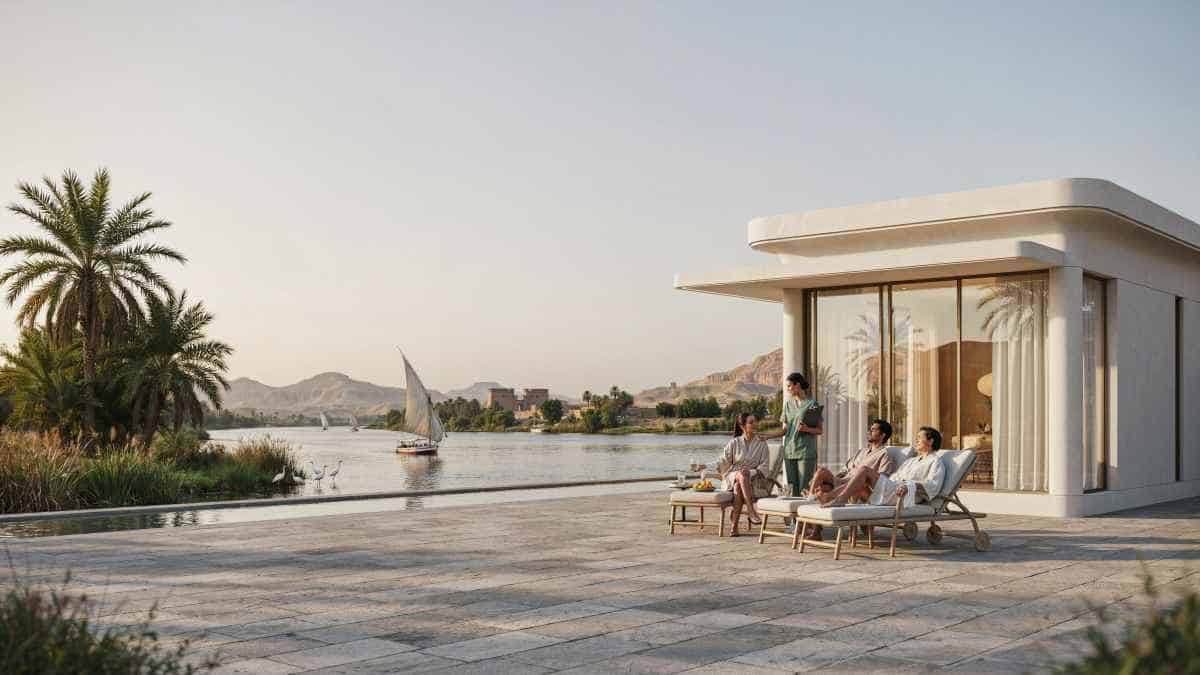
Egypt has started to build an expanded network for medical tourism that goes beyond Cairo, as both Luxor and Aswan have started to become increasingly prominent in addition to the already existing network of private healthcare institutions in the country. This can be observed through the “In Egypt We Care” initiative by the Egypt Healthcare Authority, which utilises digital means to link patients from outside the country to healthcare institutions in Egypt. Moreover, in September 2026, the medical tourism initiative of Egypt got international attention due to Luxor being mentioned as the first health tourism destination in Egypt.
Luxor Moves Into the Medical Tourism Spotlight
Advertisement
Advertisement
Luxor is no longer being positioned only as an archaeological destination.
The Egypt Healthcare Authority currently lists several healthcare facilities in its Luxor branch, including El Karnak International Hospital, Luxor International Medical Complex, Isis Specialised Hospital and other specialist facilities.
Advertisement
Advertisement
The authority has also explicitly included El Karnak International Hospital in its medical tourism hospital network.
This gives Luxor an increasingly practical role in Egypt’s international healthcare strategy, particularly for patients who want to combine medical care with a quieter stay away from the congestion of Cairo.
Advertisement
Advertisement
The concept is also supported by the city’s established hospitality infrastructure and direct access to the Nile Valley’s major tourism attractions.
A Digital Gateway for International Patients
Advertisement
Advertisement
Egypt’s medical tourism push is increasingly digital.
The “In Egypt We Care” project was launched through official digital platforms in January 2026, with the stated aim of creating a direct communication channel between healthcare facilities and patients inside and outside Egypt.
The programme is designed to cover the international patient journey from initial contact and medical information through treatment and follow-up.
Egypt also announced plans in April 2026 for “Tour n’ Cure”, a national health tourism platform intended to allow international visitors to explore medical services at accredited facilities and access clearer pricing information.
Advertisement
Advertisement
That digital infrastructure is important for international medical travellers, who often need medical reports, treatment estimates, hospital information, accommodation arrangements and follow-up plans before boarding a flight.
Aswan Brings Specialist Cardiac Care to the Nile
Further south, Aswan has an established reputation for specialist cardiovascular care through the Magdi Yacoub Heart Foundation’s Aswan Heart Centre.
The centre provides advanced cardiology and cardiac surgery services, including interventional cardiology, transcatheter aortic valve implantation and catheter ablation for cardiac rhythm disorders.
Its programme has also developed into an important referral centre for patients from across Egypt and several African countries.
The centre’s location adds another dimension to Egypt’s medical tourism story. Patients travelling to Aswan can access specialist cardiac services while staying in a city known for its Nile setting, historic landmarks and resort-style accommodation.
Advertisement
Advertisement
Medical care remains the primary purpose of such travel, but the surrounding destination can provide a calmer environment for medically appropriate recovery.
Cairo Continues to Anchor Complex Private Care
The expansion into Luxor and Aswan does not diminish Cairo’s importance.
The capital remains Egypt’s principal concentration of specialist hospitals, private clinics, advanced diagnostics and international medical services.
For complex cases requiring multiple specialists, Cairo continues to provide the widest clinical ecosystem.
The emerging model instead creates a more distributed system. Cairo can serve as the primary diagnostic or surgical gateway, while Luxor and Aswan can provide alternative locations for selected treatment, rehabilitation or recovery programmes.
Advertisement
Advertisement
This decentralisation also gives international patients more choice when planning longer medical stays.
The Nile Becomes Part of the Recovery Experience
The tourism component is where Egypt has a particularly distinctive advantage.
Luxor and Aswan sit along one of the world’s most recognisable travel corridors, surrounded by ancient temples, historic monuments and Nile-side hotels.
The Sofitel Winter Palace Luxor, for example, is one of the city’s most recognised heritage properties. In Aswan, the Sofitel Legend Old Cataract occupies a similarly prominent position overlooking the Nile.
For patients who have received medical clearance, such properties can provide a quieter setting for the later stages of a recovery stay.
Advertisement
Advertisement
The emphasis, however, should remain on recovery rather than conventional sightseeing.
Following major cardiac surgery or another significant procedure, long excursions, heat exposure and physically demanding activities may not be appropriate. Private transfers, accessible accommodation, medical follow-up and appropriate nursing support are more relevant considerations.
A Modern Version of Luxor’s Historic Health Tourism
There is also a historical connection behind Egypt’s latest medical tourism ambitions.
Luxor became associated with European winter travel and convalescence during the 19th century, when foreign visitors travelled to Upper Egypt seeking a warmer climate.
Lady Lucie Duff Gordon, the British writer who lived in Luxor during the 1860s, famously documented life along the Nile in her letters.
Advertisement
Advertisement
Today’s medical tourism model is fundamentally different.
International patients are travelling for specialist medical services rather than simply climate-based recovery. Modern hospitals, specialist physicians, digital patient coordination and international hospitality now sit alongside the heritage environment that originally attracted European visitors.
Cost Remains Part of Egypt’s Appeal
Price is another factor behind Egypt’s medical tourism ambitions.
International medical travel can offer significant differences in treatment costs between countries, but the final figure depends heavily on the procedure, hospital, surgeon, medical complexity, accommodation and aftercare.
Claims of procedures costing less than 15% of European or North American private rates should therefore be treated as case-specific rather than a universal benchmark.
Advertisement
Advertisement
For international patients, a complete quotation should include consultations, diagnostics, hospitalisation, surgery, medication, accommodation, transfers and follow-up care.
From Cairo to a National Medical Tourism Network
Egypt’s latest medical tourism strategy is moving toward a national network rather than a Cairo-only model.
Cairo provides a large specialist healthcare base. Aswan brings established cardiovascular expertise, while Luxor is gaining a stronger role through dedicated healthcare facilities and international-patient programmes.
The result is a medical tourism proposition that connects clinical care with Egypt’s strongest tourism assets.
For international visitors, that means the medical journey can potentially extend from a specialist hospital to a Nile-side recovery stay, provided every stage is approved and coordinated by the treating medical team.
Advertisement
Advertisement
Egypt’s challenge now is to ensure that the growing tourism proposition continues to develop alongside clinical standards, international patient support and reliable post-treatment care.
Travel Planning Snapshot
Luxor International Airport is 10 kilometres away from the centre of Luxor, and the Aswan International Airport is 20 kilometres away from the centre of Aswan. Luxor and Aswan can be accessed by train and internal flights, but it would be much easier to access these places by means of road or air transport for some patients. The local currency in use is the Egyptian pound, although payment in foreign currency will be available in many hotels and clinics.
Advertisement
