
Rwanda Transforms Gorilla Tourism into a Community Driven Conservation Success Story

Published
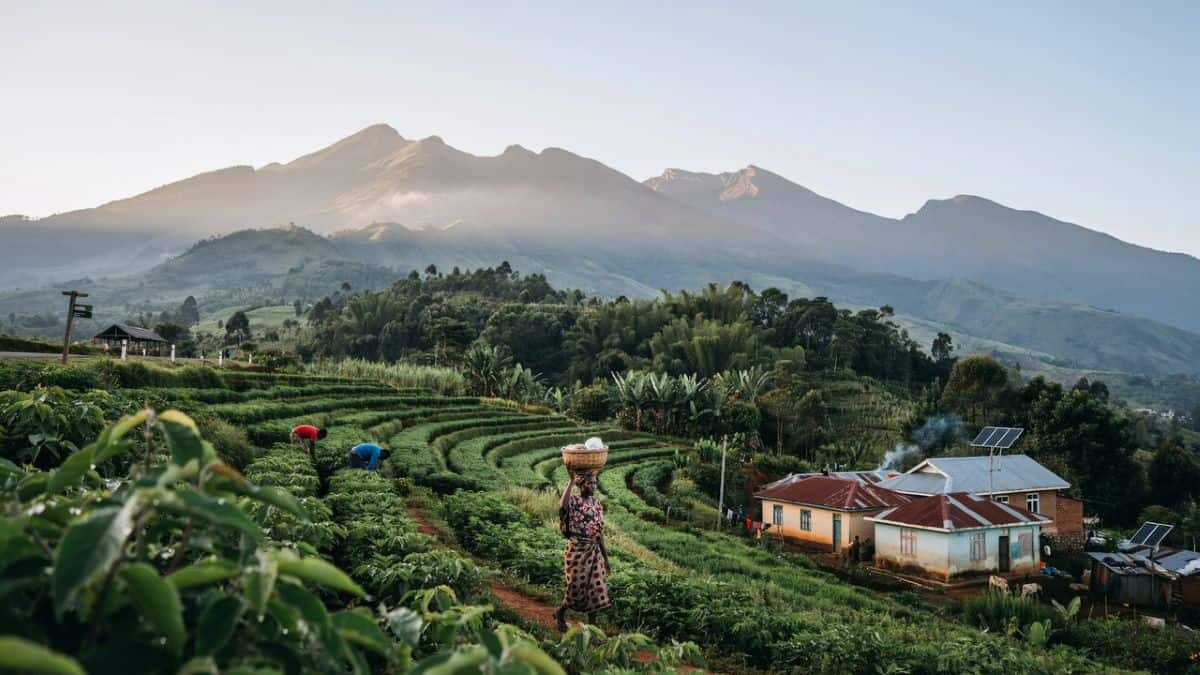
Rwanda is developing a remarkable sustainable tourism concept, as nature conservation and community development go hand in hand there. This country demonstrates the way gorilla conservation can help the local communities prosper and, at the same time, conserve their priceless natural resources. With the help of innovative tourism initiatives, Rwanda connects its visitors with the wildlife, culture, and the people living in the vicinity of the protected natural reserves. Furthermore, the sustainable model of development helps the communities take advantage of the growing tourism industry. In this context, the emphasis on gorilla conservation and sustainable development reflects Rwanda’s desire to have an exciting tourism future ahead.
From Gorilla Tourism To Community Growth: Rwanda Changes The Meaning Of Sustainable Travel
For many travellers, Rwanda is famous for one unforgettable experience: seeing mountain gorillas in their natural habitat. The misty forests of Volcanoes National Park have become one of Africa’s most recognised wildlife destinations.
However, Rwanda’s tourism strategy is expanding beyond a single attraction.
The country is building a system where protected areas support nearby communities. The aim is simple. When nature creates tourism value, local people should also experience the benefits.
Advertisement
Advertisement
Rwanda has developed a revenue-sharing programme around its national parks. Under this system, 10% of national park tourism revenue is reinvested into communities surrounding protected areas.
The Rwanda Development Board states that more than RWF23 billion, around US$16 million, has been invested through this programme. The funding has supported nearly 1,300 community projects.
Advertisement
Advertisement
These projects include infrastructure improvements, livelihood support and initiatives designed to strengthen the relationship between conservation areas and nearby residents.
This approach creates a different tourism story. It moves away from a model where visitors only arrive, experience nature and leave.
Instead, Rwanda is building a destination where tourism becomes part of local development.
The country’s national parks are not viewed only as protected landscapes. They are also seen as economic opportunities that can support communities while protecting biodiversity.
A US$49 Million Smart Green Village Could Redefine Rwanda’s Tourism Landscape
One of Rwanda’s biggest recent sustainability moves is the Smart Green Village project in Rurembo, Kinigi.
The Government of Rwanda launched the project on 27 August 2026. The development carries an estimated value of US$49 million and is designed to support 547 households.
Advertisement
Advertisement
The village is planned as more than a housing project. It represents a new approach to rural development connected with tourism and conservation.
The project includes modern housing, renewable energy solutions, climate-smart agriculture and improved community services.
The location is important. Kinigi sits close to Volcanoes National Park, one of Rwanda’s most valuable tourism assets.
By developing communities near the park, Rwanda aims to create stronger links between conservation and everyday life.
The idea is that communities near protected areas should not only protect natural resources. They should also gain opportunities from the tourism economy created around those resources.
The Smart Green Village is expected to create new possibilities for agriculture, small businesses and tourism-related activities.
Advertisement
Advertisement
This could include services connected to visitors, local products, cultural experiences and community-based tourism opportunities.
The project reflects a wider global shift in travel. More travellers are looking for meaningful experiences. They want to understand local cultures. They want their spending to support communities.
Rwanda is positioning itself around this changing demand.
Volcanoes National Park Shows How Conservation Can Become A Tourism Economic Engine
Volcanoes National Park plays a central role in Rwanda’s tourism economy.
According to Rwanda Development Board data, Rwanda’s national parks received 155,394 visits in 2025. These parks generated US$40.8 million in revenue.
Volcanoes National Park alone generated US$35.8 million.
Advertisement
Advertisement
These figures highlight the economic importance of protected landscapes.
The park is not only a conservation area. It is also a major contributor to Rwanda’s tourism industry.
Mountain gorilla tourism remains one of the country’s strongest attractions. However, Rwanda’s strategy is becoming broader.
The country is using tourism revenue to strengthen conservation while supporting communities around protected areas.
This creates a cycle.
Protected forests attract visitors.
Advertisement
Advertisement
Visitors generate tourism revenue.
Part of that revenue supports surrounding communities.
Communities gain stronger reasons to protect natural resources.
Conservation becomes connected with economic development.
This model is increasingly important as destinations worldwide search for ways to balance tourism growth with environmental protection.
Rwanda Expands Green Tourism While Protecting Local Communities And Natural Habitats
Rwanda’s green tourism ambitions also include expanding the protected landscape around Volcanoes National Park.
Advertisement
Advertisement
The wider programme includes plans for a 3,740-hectare park expansion and 6,620 hectares of buffer zones.
The goal is to strengthen ecosystem protection and create better environmental management around the park.
The programme is expected to benefit more than 17,000 people.
However, the expansion also highlights an important issue in sustainable tourism. Conservation projects must carefully consider the people who live in these areas.
Rwanda has stated that compensation processes connected with the expansion area are ongoing.
This part of the development is important because modern sustainable tourism is not only about protecting forests and wildlife.
Advertisement
Advertisement
It is also about creating fair relationships between conservation goals and community needs.
Successful green tourism requires balance.
Protected areas need strong management.
Wildlife needs protection.
Local residents need opportunities and security.
Rwanda’s approach shows how destinations must manage all these priorities together.
Advertisement
Advertisement
Culture Adds A Human Connection To Rwanda’s Conservation Tourism Story
Nature is only one part of Rwanda’s tourism appeal.
Culture plays an equally important role.
One of the country’s most recognised conservation events is Kwita Izina, Rwanda’s annual gorilla naming ceremony.
The tradition connects modern conservation with Rwanda’s cultural practice of naming children.
Since becoming an official event in 2005, Kwita Izina has celebrated the naming of 438 mountain gorillas.
The ceremony has become an international platform for conservation awareness.
Advertisement
Advertisement
It shows visitors that wildlife protection is not only about animals. It is also about people, heritage and national identity.
For travellers, this creates a deeper experience.
A visit to Rwanda is not simply a wildlife journey. It becomes an opportunity to understand local traditions and the relationship between communities and nature.
This combination of culture and conservation is becoming increasingly important in global tourism.
Travellers are searching for destinations that offer stories, not only sights.
Rwanda’s Tourism Growth Reflects A Bigger African Shift Towards Responsible Travel
Rwanda’s green tourism strategy reflects a wider movement across Africa.
Advertisement
Advertisement
Many destinations are looking for ways to increase tourism value while protecting natural resources.
The traditional tourism model focused heavily on visitor numbers.
The new model focuses on quality, sustainability and community benefits.
Rwanda’s approach is based on the belief that tourism should create long-term value.
High-value nature tourism can support conservation.
It can create employment.
Advertisement
Advertisement
It can encourage local entrepreneurship.
It can strengthen rural economies.
The country’s focus on premium conservation experiences also matches changing traveller behaviour.
Many international visitors are willing to spend more for responsible experiences that protect nature and support local communities.
This creates opportunities for destinations that can demonstrate real sustainability.
Rwanda is attempting to build that connection.
Can Rwanda Prove That Tourism Growth Can Benefit Both Nature And People?
The Rwandan green tourism revolution offers a new approach towards sustainability through the linking of conservation to development at the community level. Through this approach, the country has been able to experiment the viability of sustainable growth through tourism while conserving their natural and cultural heritage. Furthermore, the country has established green villages and conservation-based projects that have benefitted the local communities. The Smart Green Village and Volcanoes National Park Development projects represent a new approach in which conservation, wildlife, and communities coexist. The success of this green tourism revolution will depend on benefits, conservation and sustainable development.
Advertisement
