
Poland Joins Malta and More as Major Tourist Fee Overhaul Paves Way for New Overnight Charges in Kraków and Beyond

Updated
Published
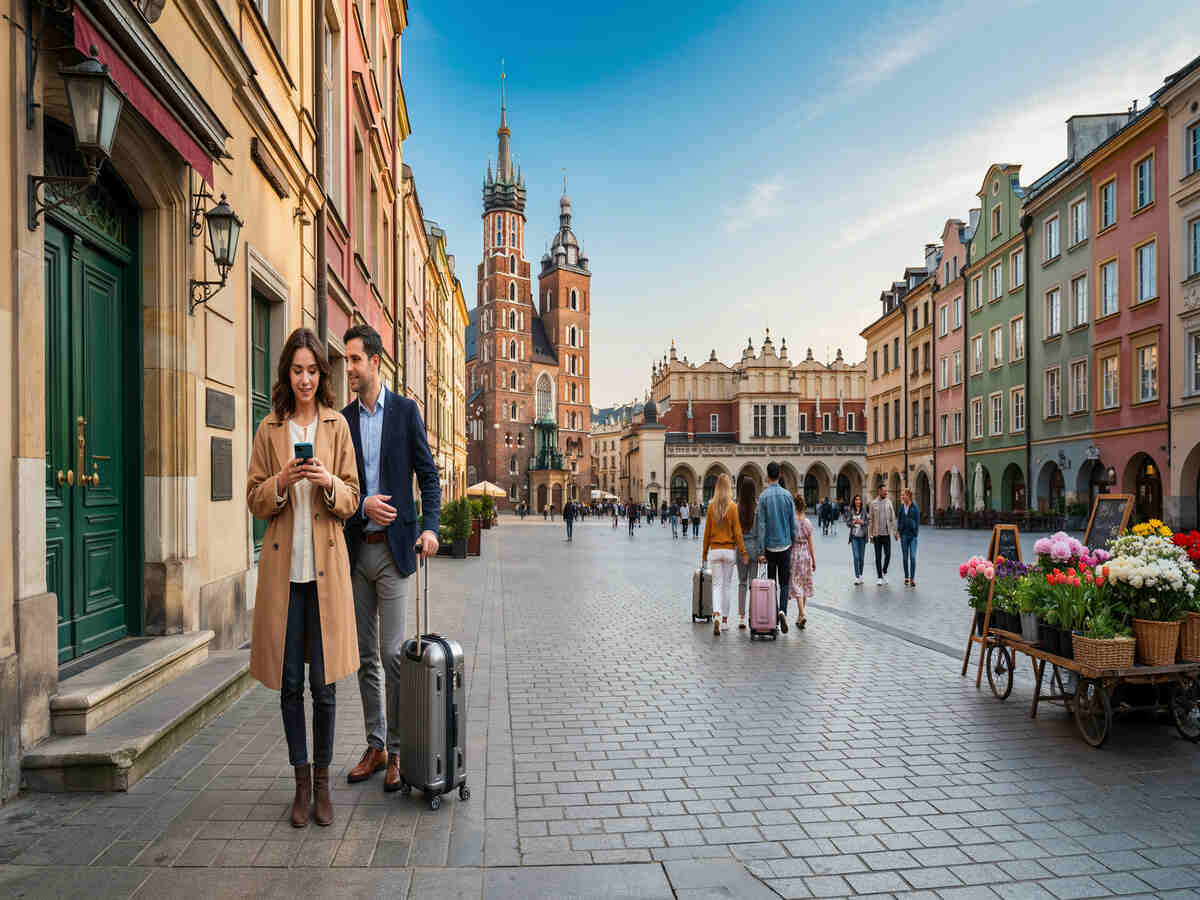
Poland is joining Malta and other European destinations in rolling out tourist charges as swelling numbers of visitors put increasing pressure on cities, public services and historic attractions. A major tourism tax overhaul passed a key legislative test last week after a new law was approved on 15 October 2026, paving the way for more municipalities to introduce overnight charges from January 2027. By easing strict environmental requirements, the government is looking to give popular destinations a boost in much-needed revenue-raising powers. But tourists will only be charged where local authorities approve an increase.
Poland is making a major change to its tourist fee rules, opening the door to new overnight charges in Kraków and many other cities from 1 January 2027. The move brings Poland closer to European destinations such as Malta and Italy, where visitors already pay accommodation-related fees. President Karol Nawrocki signed the new Polish law on 15 October 2026. It removes an old rule that stopped many cities from collecting money from overnight guests because of air-quality conditions. The decision comes as tourism grows across Poland. However, local councils must still approve any new charges before visitors have to pay.
Advertisement
Advertisement
Why Is Poland Introducing a Major Tourist Fee Overhaul?
Poland wants to give more towns and cities the power to collect money from overnight visitors.
Under the old rules, municipalities needed favourable climate conditions, attractive scenery and suitable tourist accommodation before introducing a local visitor fee.
Advertisement
Advertisement
This created problems for cities with air pollution.
The new law removes the climate requirement. Other legal conditions still apply.
Advertisement
Advertisement
The reform could help local councils raise money as more people visit their cities.
Tourism brings jobs and business. But it also increases pressure on roads, public spaces and local services.
Advertisement
Advertisement
The government wants municipalities to have more freedom to manage these costs.
How Does Poland Compare With Malta and Other European Destinations?
Poland is moving closer to a system already familiar to visitors in several European destinations.
Malta has an environmental contribution for guests staying in licensed accommodation.
Since 1 July 2026, Malta has charged eligible visitors aged 18 and over €1.50 per night, with a maximum of €22.50 per person per visit.
Advertisement
Advertisement
Italy also has local tourist taxes. Cities such as Rome collect overnight charges under their own rules.
Poland’s system will work differently from Malta’s nationwide contribution.
Polish municipalities will decide whether to introduce a local fee and set their own rates within legal limits.
This means overnight costs could differ between Polish destinations.
Kraków Emerges as a Major Winner After Years of Tourist Fee Restrictions
Kraków has welcomed the change after years of trying to regain its power to charge overnight visitors.
The historic city collected a visitor fee between 2004 and 2015.
Advertisement
Advertisement
However, stricter environmental conditions later prevented it from continuing.
Air pollution had become a major problem for the city, although Kraków has introduced measures to improve air quality.
The city pushed for changes to the national rules.
Now, Kraków can consider bringing back its visitor fee.
The city council must still approve the charge and choose its rate.
The national law does not automatically make visitors pay a new Kraków fee.
Advertisement
Advertisement
Key Details of Poland’s Tourist Fee Changes and Malta’s Existing Charges
| Destination or category | Fee or key detail | What travellers should know |
|---|---|---|
| Poland | New rules from 1 January 2027 | More municipalities can introduce fees |
| Ordinary Polish local fee | Maximum PLN 5 per person per night | Actual rates require local approval |
| Polish spa protection areas | Maximum PLN 5.50 per person per night | Applies where eligible |
| Polish health resorts | Separate spa fee ceiling of PLN 6.86 per night | Different rules apply |
| Kraków, Poland | New fee not yet automatically introduced | City council must approve it |
| Malta and Gozo | €1.50 per eligible adult per night | Maximum €22.50 per person per visit |
| Italy | Local tourist taxes already operate | Rates differ between municipalities |
| Longer stays in Poland | Exemption after 29 consecutive nights | The entire qualifying stay is exempt |
Why Is Poland’s Booming Tourism Industry Driving This Change?
Poland recorded strong tourism growth in 2025.
According to Eurostat, nights spent in tourist accommodation increased by 7.0% compared with 2024.
This was the second-fastest growth in the European Union, behind Malta, which recorded a 9.9% increase.
Kraków also reported impressive visitor numbers.
The city welcomed around 16.25 million visitors during 2025, including approximately 8.79 million overnight tourists.
These numbers show why local authorities want more ways to support tourism services.
Advertisement
Advertisement
Visitors spend money in hotels, restaurants, shops and transport businesses.
But millions of arrivals also mean more work for those who maintain public places.
How Much More Could Visitors Pay for Their Polish Holidays?
The extra cost will depend on the destination and the length of the stay.
For example, two adults spending three nights in a Polish city charging the full ordinary rate would pay PLN 30.
Four adults staying five nights at that rate would pay PLN 100.
These are examples, not confirmed prices for Kraków.
Advertisement
Advertisement
The fee will generally relate to overnight accommodation.
It can apply to people travelling for holidays, business or health reasons.
However, the law includes exemptions.
People staying for at least 30 consecutive nights in the same municipality will be exempt for the full stay.
Certain people with disabilities, accompanying carers and organised school groups also qualify for exemptions.
Hotels and Accommodation Providers Prepare for New Collection Rules
The reform will place new duties on accommodation businesses.
Advertisement
Advertisement
Hotels, guesthouses, hostels, campsites and private accommodation providers will collect applicable fees.
They must keep proper records and transfer the money to local authorities.
Businesses that collect and send the money correctly and on time will receive at least 10% of the fees collected.
This could help municipalities manage the system.
It will also make accommodation providers important partners in collecting local revenue.
Guests should receive clear information about any additional charges.
Advertisement
Advertisement
This will help families and other travellers understand their total accommodation costs before arriving.
Could New Visitor Charges Help Protect Kraków’s Historic Attractions?
Kraków’s Old Town, historic buildings and famous public squares attract visitors from around the world.
Large crowds can increase the need for cleaning, maintenance and visitor services.
Money from a local fee could help the city meet some of these costs.
However, the way the money is spent will depend on municipal budget decisions.
Clear spending plans will be important.
Advertisement
Advertisement
Visitors may be more willing to accept an extra charge when they can see how it benefits the destination.
Residents could also benefit if councils use extra revenue to improve shared public spaces.
The challenge will be balancing tourism growth with everyday life.
What Should Travellers Expect From January 2027?
Poland’s tourist fee overhaul marks an important turning point for its growing tourism industry.
The new law will give more municipalities the choice to introduce overnight charges, but it will not impose one national fee on every visitor.
Kraków is now closer to bringing back a charge that ended more than a decade ago.
Advertisement
Advertisement
Other eligible towns and cities may also consider similar steps.
Travellers planning holidays in 2027 should check local fee rules before booking.
They should confirm the nightly amount, possible exemptions and whether the charge is included in the accommodation price.
Poland, in line with Malta and other European countries, is looking to further tourist charges, with rising numbers of visitors putting increasing pressure on cities, public services and historic attractions. A major Poland tourist fee reform signed in law on 15 October 2026, will enable more municipalities, among them Kraków, to impose charges from January 2027. By relaxing tough environmental requirements, the government is opening up a new source of funding for popular destinations. However, charges will only apply where local councils have approved them.
Advertisement
