
Argentina’s Buenos Aires Connects Tango, Wine and Luxury Travel After FIT 2026

Published
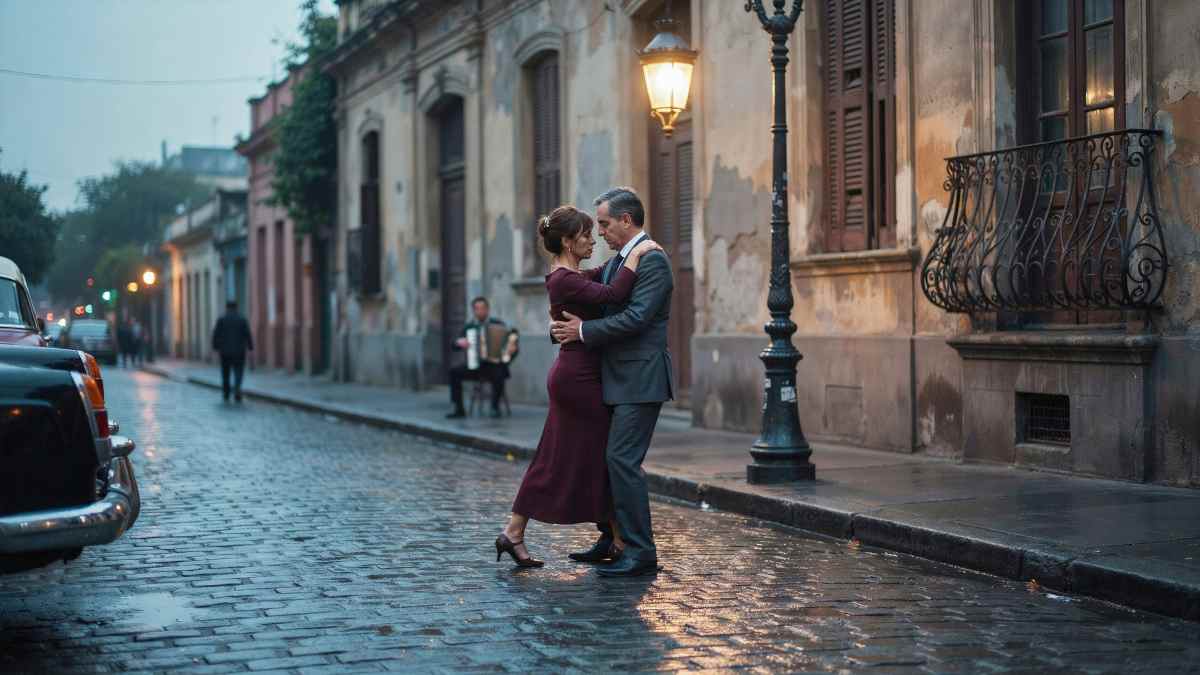
Image generated with Ai
Buenos Aires, Argentina, is carrying the energy of the 30th Feria Internacional de Turismo de América Latina (FIT) into a wider cultural and culinary travel story, as international tourism professionals explore the capital beyond the exhibition halls of La Rural. From tango salons and Argentine wine to private dining and historic neighbourhoods, the city offers a combination of urban heritage and premium experiences for visitors extending their stays. FIT 2026 took place from 26 to 29 September at La Rural, bringing together tourism businesses, destinations, transport companies, hotels and travel professionals. The proposed Post-FIT 30th Anniversary Gastro-Cultural Season, scheduled for September 28 to October 2, places the spotlight on the days surrounding the fair, although its private tastings and closed-door dining programme have not been independently confirmed. The wider tourism story is grounded in a city whose appeal extends from European-influenced architecture to neighbourhood restaurants, performing arts and access to Argentina’s regional destinations.
La Rural Keeps Buenos Aires at the Centre of Regional Tourism
Located in Palermo, La Rural remains a major venue for international exhibitions and professional gatherings. FIT’s 30th edition included a dedicated International Sports Tourism Forum on 29 September, bringing the travel industry and sports-event representatives into the same programme.
Advertisement
Advertisement
The forum reflected Argentina’s stated interest in attracting international sporting events and developing tourism beyond conventional sightseeing. For Buenos Aires, this creates a connection between business travel, major events and the city’s established hospitality sector.
International buyers attending FIT can also use the capital as a starting point for discussions about itineraries across Argentina, from wine-producing regions to Patagonia. The commercial opportunity lies in linking a major industry gathering with experiences that encourage travellers to stay longer.
Advertisement
Advertisement
Recoleta and Palermo Give the City Its Cultural Character
Recoleta offers a different pace from the exhibition grounds. Its grand buildings, leafy avenues, cafés and cultural institutions provide visitors with a walkable introduction to Buenos Aires’ architectural and social history.
The neighbourhood’s landmark Recoleta Cemetery, the National Museum of Fine Arts and nearby cultural venues form part of the city’s established visitor circuit. Evenings bring another dimension, with restaurants and performance spaces connecting visitors to Argentina’s food and music traditions.
Advertisement
Advertisement
Palermo Soho, meanwhile, is associated with independent boutiques, contemporary dining and nightlife. Its restaurant scene provides a setting for the proposed gastro-cultural programme, particularly for visitors seeking experiences beyond large hotel dining rooms.
The supplied event concept describes private puertas cerradas, or closed-door dining experiences, where chefs host guests in more intimate settings. These should be treated as proposed activities rather than confirmed FIT-linked events.
Malbec and Argentine Beef Remain Central to Premium Dining
Argentine cuisine gives the city a strong identity for food-focused travel. Grass-fed beef, regional empanadas, grilled meats and traditional desserts feature prominently in the country’s dining culture.
Wine adds another layer. Malbec, particularly from Mendoza, is closely associated with Argentina’s international wine profile, while other varieties and regional producers broaden the experience for visitors interested in tastings and food pairings.
For luxury travel designers, curated dining can connect Buenos Aires with the wider country. A city stay might be followed by vineyard visits in Mendoza or a longer journey into Patagonia, where accommodation, landscapes and outdoor experiences create a different type of itinerary.
The proposed anniversary season places sommeliers, international buyers and travel designers within this setting. Its commercial relevance will depend on the confirmed venues, participating businesses and access arrangements.
Advertisement
Advertisement
Sports Tourism Adds Another Dimension to Argentina’s Travel Strategy
Argentina’s tourism authorities have publicly identified sports tourism as an area for international promotion. In August 2026, the national tourism leadership discussed attracting major sporting events to help reduce seasonality and generate activity across connected industries.
The government has also highlighted Buenos Aires’ plans for a modernised, multi-use Autódromo, with MotoGP and Formula 1 mentioned as longer-term ambitions rather than confirmed events for the proposed Post-FIT period.
The International Sports Tourism Forum at FIT 2026 gave the sector a dedicated platform. Its presence demonstrates that sports-related travel is part of the current industry discussion, although it does not establish the scale of future visitor spending or the success of particular initiatives.
For travel planners, sports events can be combined with city experiences, restaurant reservations and extensions to other regions. The timing of events, ticket availability and transport arrangements remain important considerations.
Visa Access and International Itineraries Require Careful Distinction
The supplied research brief refers to newly introduced bilateral visa waivers as a factor supporting high-spend travel to Argentina. However, no specific bilateral agreement or effective date was established in the sources reviewed for this article.
Visa requirements vary by nationality and travel purpose. Visitors should check the applicable rules through Argentina’s official consular and immigration channels before booking.
Advertisement
Advertisement
The broader opportunity for Buenos Aires is its role as a gateway. International visitors can combine the capital’s cultural attractions with wine regions, the Andes, Iguazú Falls or Patagonia, depending on available time and transport connections.
The Post-FIT Opportunity Extends Beyond the Exhibition Calendar
The 30th FIT edition has come to an end, but the professional sessions and talks on sport tourism are part of a broader plan for developing tourism. The cultural facilities in Buenos Aires, along with the gastronomic offerings and global flight network, allow tour companies to develop itineraries based in the city in different ways. The idea of Gastro-Cultural Season is to place the culinary, wine, and nightlife of the city at the forefront of such a concept.
Advertisement
