
Egypt And Morocco Outdo Kenya, South Africa, Namibia, Zimbabwe, Ethiopia, Tanzania And More African Countries In Accelerating Strongest Tourism Growth And GDP Contribution With Record-Breaking Arrivals, Aviation Expansion, Mega Infrastructure Investments, And Fierce Continental Tourism Dominance Battle Across Africa 2026

Published
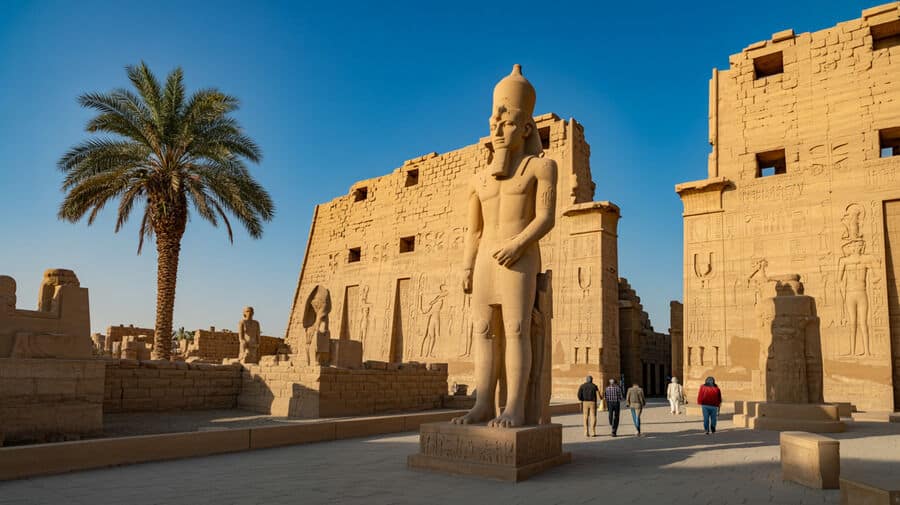
Egypt And Morocco Overtakes Kenya, South Africa, Namibia, Zimbabwe, Ethiopia, Tanzania And More African Countries In Accelerating Strongest Tourism Growth And GDP Contribution With A Rapid Surge In International Arrivals, Massive Aviation Expansion, And Large-Scale Cultural And Infrastructure Investments Across Africa’s Competitive Travel Economy In 2026. This dramatic shift is being driven by Egypt’s strengthening Red Sea and heritage tourism ecosystem alongside Morocco’s fast-rising aviation connectivity and World Cup-linked infrastructure boom, positioning both nations ahead in Africa’s intensifying tourism race while traditional leaders like Kenya, South Africa, Tanzania, Ethiopia, Namibia, and Zimbabwe continue expanding but at a comparatively steadier pace in the continent’s evolving global tourism hierarchy.
In 2026, Africa’s tourism sector is witnessing a deep structural realignment, where long-established travel destinations are being challenged by rapidly accelerating growth engines. At the forefront of this transformation stand Egypt and Morocco, both aggressively expanding their global tourism footprint through upgraded aviation networks, large-scale infrastructure projects, and ambitious cultural and heritage investments.
This momentum is steadily reshaping the continent’s traditional tourism hierarchy, historically led by Kenya, South Africa, Tanzania, Ethiopia, Namibia, and Zimbabwe, each of which continues to play a vital role in Africa’s travel economy.
Rather than a decline of these established destinations, the current shift reflects a widening growth divergence, where Egypt and Morocco are scaling at a significantly faster pace in international arrivals, connectivity, and global destination branding, positioning themselves ahead in Africa’s intensifying competition for tourism revenue and GDP contribution.
Advertisement
Advertisement
Egypt’s Tourism Surge: Heritage, Mega Projects, and Coastal Expansion
Egypt continues to strengthen its tourism economy through a powerful mix of cultural heritage, infrastructure expansion, and coastal resort development.
The backbone of Egypt’s tourism growth remains its ancient heritage assets. The Pyramids of Giza and Luxor continue to attract millions of visitors annually, but the real transformation lies in modernisation. The long-awaited Grand Egyptian Museum is positioned as a global cultural anchor, designed to significantly increase high-value tourism flows.
Advertisement
Advertisement
Alongside heritage tourism, Egypt is expanding its Red Sea destinations such as Sharm El-Sheikh and Hurghada. These coastal hubs are increasingly targeting luxury tourism markets from Europe, the Gulf, and Asia.
Air connectivity improvements and hotel capacity expansion are also driving demand. Cairo is being redesigned as a global stopover hub, strengthening Egypt’s position in both cultural and beach tourism segments.
Advertisement
Advertisement
Morocco’s Rapid Climb: Aviation Growth and World Cup-Driven Expansion
Morocco is experiencing one of the fastest tourism growth trajectories in Africa, driven by aviation expansion, urban tourism development, and mega-event preparation.
Cities like Marrakech, Casablanca, and Rabat are benefiting from upgraded transport systems, new hotel developments, and increased airline connectivity with Europe and North America.
A major driver of Morocco’s tourism momentum is its preparation for the FIFA World Cup co-hosting responsibilities later this decade. This has triggered large-scale infrastructure investment, including stadium upgrades, airport expansion, and city beautification projects.
Low-cost airline penetration has also played a key role. Morocco’s accessibility from Europe makes it a highly competitive short-haul destination, especially for weekend tourism and cultural travel experiences.
Advertisement
Advertisement
Kenya: Safari Tourism Leader Facing Competitive Pressure
Kenya remains one of Africa’s strongest tourism brands, particularly in wildlife and safari tourism. The Maasai Mara, Amboseli, and coastal regions like Mombasa continue to attract global travellers.
However, Kenya is facing increasing competitive pressure from North African destinations. While Kenya leads in safari-based tourism, Egypt and Morocco are outperforming in total visitor volume growth due to stronger aviation networks and diversified tourism offerings.
Kenya’s strategy in 2026 focuses heavily on sustainability, eco-tourism branding, and wildlife conservation tourism to maintain its premium positioning.
South Africa: High-Value Tourism and Business Travel Expansion
South Africa remains one of Africa’s most diversified tourism economies. Cape Town, Johannesburg, and Kruger National Park continue to anchor its tourism appeal.
South Africa is strengthening its position in luxury tourism, business events (MICE tourism), and wildlife experiences. The Garden Route and coastal tourism markets are also showing strong recovery.
However, compared to Egypt and Morocco, South Africa’s growth rate is more stable than explosive. Its strength lies in value tourism rather than rapid expansion in arrivals.
Advertisement
Advertisement
Tanzania: Safari and Island Tourism Expansion
Tanzania continues to grow through its strong safari and island tourism combination.
The Serengeti National Park remains a global icon for wildlife migration tourism, while Zanzibar is becoming a fast-growing luxury beach destination.
Tanzania’s tourism growth is driven by eco-tourism investments, improved airline connectivity, and increasing interest from European and Asian markets. However, infrastructure limitations still constrain its ability to match Egypt and Morocco’s rapid scaling pace.
Namibia: High-Value Eco and Desert Tourism
Namibia is building a niche but highly attractive tourism identity focused on desert landscapes, luxury lodges, and low-density tourism.
Sossusvlei, Etosha National Park, and coastal desert regions are drawing high-spending travellers seeking exclusive experiences.
Namibia’s strategy is not volume-based tourism but high-value, low-impact tourism. This positions it differently from the mass tourism acceleration seen in Egypt and Morocco.
Advertisement
Advertisement
Zimbabwe: Victoria Falls-Driven Tourism Recovery
Zimbabwe is rebuilding its tourism sector primarily through Victoria Falls, one of the world’s most iconic natural attractions.
New hotel investments, improved regional connectivity, and adventure tourism offerings such as rafting and helicopter tours are driving recovery.
However, Zimbabwe’s tourism scale remains limited compared to North African giants, although it is growing steadily.
Ethiopia: Cultural and Transit Tourism Growth
Ethiopia is strengthening its tourism profile through cultural heritage sites, historical circuits, and Addis Ababa’s role as a major aviation hub.
Ethiopian Airlines is a key driver of transit tourism across Africa. However, tourism infrastructure outside major cities still requires development to compete with Egypt and Morocco’s large-scale tourism ecosystems.
Mauritius: Premium Island Tourism Strategy
Mauritius continues to position itself as a luxury island destination focused on honeymoon tourism, wellness travel, and high-end resorts.
Advertisement
Advertisement
Its tourism model is highly stable but limited in scale due to geographic size. Growth is driven by repeat visitors and premium tourism markets from Europe and Asia.
Nigeria: Cultural and Entertainment Tourism Rise
Nigeria is developing a new tourism identity based on entertainment, culture, and creative industries.
Lagos is emerging as a cultural hotspot driven by Afrobeats, film (Nollywood), and festivals. Business tourism is also growing due to its role as West Africa’s commercial hub.
Infrastructure development remains a challenge, but tourism potential is rising rapidly.
Senegal: West Africa’s Emerging Tourism Gateway
Senegal is strengthening its tourism profile through Dakar’s cultural tourism, coastal resorts, and heritage attractions like Gorée Island.
The country is also benefiting from improved aviation connectivity and regional tourism integration strategies.
Advertisement
Advertisement
Mozambique: Coastal Luxury Tourism Growth
Mozambique is expanding its tourism sector through beach resorts, island tourism, and marine biodiversity experiences.
The Bazaruto Archipelago is becoming a premium luxury destination, attracting high-end travellers.
Africa 2026 Tourism Power Balance: Key Shift
The overall trend in 2026 shows:
- Egypt + Morocco = fastest growth acceleration
- Kenya = safari dominance but slower scaling
- South Africa = stable high-value market
- Tanzania = strong eco-tourism expansion
- Namibia + Zimbabwe = niche adventure tourism growth
- Ethiopia + Nigeria = emerging aviation and cultural hubs
TTW’s Editor-in-Chief, Mr. Anup Kumar Keshan, says the accelerating tourism race across Africa in 2026 reflects a decisive shift in global travel power, where Egypt and Morocco are setting new benchmarks through bold infrastructure expansion, aviation connectivity, and cultural reinvention. He highlights that while Kenya, South Africa, Tanzania, Ethiopia, Namibia, and Zimbabwe continue to hold strong tourism identities, the rapid scaling strategies of Egypt and Morocco are redefining competitiveness, pushing Africa into a new era of high-value tourism growth and global visibility that is reshaping the continent’s economic and travel landscape.
Africa’s tourism economy is now clearly operating on a two-speed model. On one side are rapidly scaling destinations like Egypt and Morocco, driven by infrastructure and connectivity. On the other are established leaders like Kenya and South Africa, which maintain strong brand equity but grow at a steadier pace.
Egypt And Morocco Overtakes Kenya, South Africa, Namibia, Zimbabwe, Ethiopia, Tanzania And More African Countries In Accelerating Strongest Tourism Growth And GDP Contribution As Both Nations Gain Rapid Momentum Through Expanding Aviation Connectivity, Large-Scale Infrastructure Investment, And Surging International Visitor Demand Across Cultural, Coastal, And Luxury Tourism Segments In 2026, Reshaping Africa’s Competitive Tourism Hierarchy And Global Travel Positioning.
This evolving structure signals a new era where tourism competition in Africa is no longer regional—it is continental, interconnected, and increasingly global in scale.
Advertisement
