



































Hong Kong Airlines Supports Five-Year Plan as Carrier Targets Stronger Routes, Smart Travel and Aviation Growth

Published
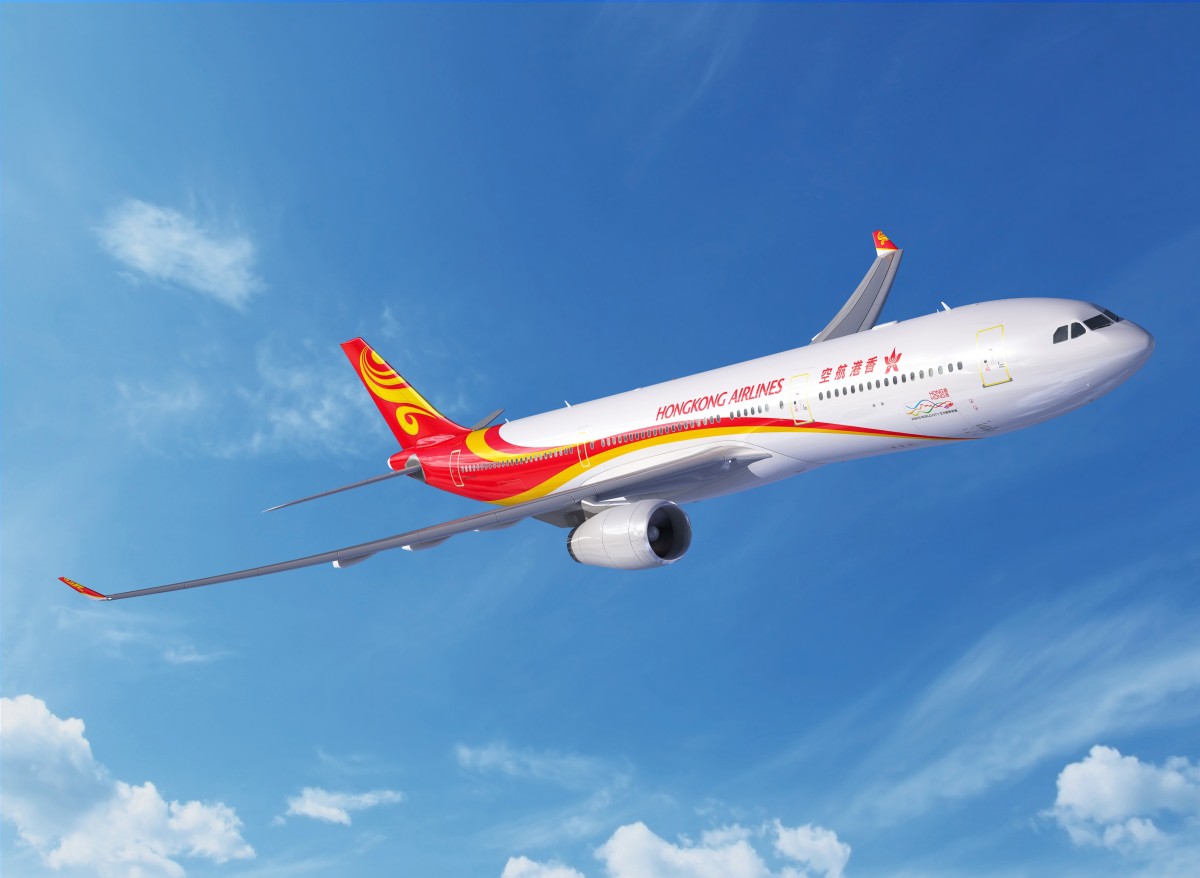
Image credit – Hong Kong Airlines
Hong Kong Airlines have already announced their support of the Hong Kong First Five-Year Plan for Economic and Social Development during the period between 2026 and 2030, showing their willingness to improve their connectivity in the air space, build regional lines, and be part of Hong Kong’s tourism and aviation aims.
The plans are developed in view of Hong Kong developing its first-ever five-year development plan including among others such priorities as aviation, innovation, digitalization, and international connectivity.
From the point of view of passengers, the company’s plans can influence their future route maps, booking process online, and regional flights through Hong Kong.
What Is Hong Kong Airlines Planning Under the Five-Year Strategy?
The Hong Kong Airlines Five-Year Plan alignment focuses on supporting Hong Kong’s wider economic and tourism development goals through aviation growth.
The airline said it will continue improving its network, exploring new markets and supporting initiatives designed to strengthen Hong Kong’s position as an international aviation gateway.
Main Areas of Focus Under the Airline’s Strategy
- Expanding regional and international flight connectivity.
- Strengthening links with mainland China destinations.
- Supporting routes connected with Belt and Road markets.
- Developing artificial intelligence-powered travel services.
- Supporting sustainable aviation initiatives.
- Contributing to the wider aviation industry ecosystem.
Hong Kong’s government development plan covers 2026–2030 and includes priorities around strengthening Hong Kong’s role as an international centre while improving integration with wider regional development strategies.
The airline’s support places aviation at the centre of tourism growth because flight connectivity directly influences visitor arrivals, business travel and regional mobility.
Why This Matters for Travellers
Airline network decisions have a direct effect on how travellers move across regions. More routes, improved connections and better digital services can change how passengers plan their journeys.
Hong Kong is already a major aviation gateway connecting Asia with global markets. Any expansion of airline networks could provide additional options for travellers visiting Hong Kong or using the city as a transit point.
How Travellers Could Benefit From Future Aviation Growth
- More regional flight choices.
- Better access to emerging tourism destinations.
- Easier connections between mainland China and Hong Kong.
- More personalised booking experiences.
- Improved digital travel services.
For leisure travellers, stronger connectivity can open access to new destinations. For business travellers, improved route options can support faster regional movement.
The impact will depend on future route approvals, market demand and operational decisions by airlines.
Hong Kong Airlines Expands Route Network Across Asia
Hong Kong Airlines highlighted its focus on expanding connections with destinations that support regional tourism and economic links.
The airline has already introduced services to several destinations, including Xining, Hulunbuir, Lanzhou, Lijiang and Da Nang.
Destinations Supporting Regional Connectivity
| Destination | Region | Travel Importance |
|---|---|---|
| Xining | Mainland China | Gateway to western China |
| Hulunbuir | Mainland China | Nature and cultural tourism |
| Lanzhou | Mainland China | Regional transport connection |
| Lijiang | Mainland China | Heritage and leisure tourism |
| Da Nang | Vietnam | Southeast Asian coastal destination |
These routes demonstrate the airline’s focus on expanding beyond traditional markets and connecting Hong Kong with destinations that have growing tourism potential.
Hong Kong Airlines said it supports continued efforts to expand air service agreements and traffic rights, which can allow airlines to respond to passenger demand with additional services.
How Air Service Agreements Influence Future Travel Options
Government-level aviation agreements play an important role in determining how airlines develop international networks.
These agreements define operational access between markets, including airline rights and possible flight capacity.
Why Aviation Agreements Matter
- Airlines gain opportunities to introduce new routes.
- Travellers receive more destination choices.
- Tourism markets become easier to access.
- Businesses benefit from improved connectivity.
For travellers, these agreements often operate behind the scenes but directly influence the number of flights available between cities.
A stronger aviation framework can support long-term tourism development by improving accessibility.
AI Technology Could Transform Hong Kong Travel Experiences
Alongside route expansion, Hong Kong Airlines is exploring artificial intelligence applications to improve passenger experiences.
The airline said it is working on smart tourism-related solutions, including AI-powered flight recommendations and booking services.
Digital Travel Innovations Being Developed
- AI-based flight suggestions.
- Personalised booking experiences.
- Technology-supported travel planning.
- Smarter customer service solutions.
Artificial intelligence is becoming an increasingly important area across the global travel industry.
Airlines, airports and tourism organisations are using technology to provide faster information, customised recommendations and smoother booking journeys.
For passengers, these tools could make travel planning easier by helping identify suitable flights, schedules and options based on individual preferences.
Why This Matters for the Aviation Industry
The airline’s announcement reflects broader changes taking place across aviation.
Modern airlines are no longer competing only through destinations and ticket prices. Passenger experience, technology and sustainability are becoming equally important factors.
Major Aviation Trends Reflected in the Announcement
- Digital transformation of travel services.
- Expansion of regional connectivity.
- Greater cooperation between governments and airlines.
- Increased focus on sustainable aviation.
- Development of aviation-related industries.
Hong Kong’s five-year strategy also highlights technology and innovation as important development areas, creating a wider environment for digital travel solutions.
Sustainable Aviation Becomes Part of Future Growth Plans
Hong Kong Airlines also expressed support for developing an aviation ecosystem focused on aircraft parts processing and sustainable aviation fuel.
Sustainable aviation fuel is considered one of the key pathways being explored globally to reduce aviation emissions, although large-scale adoption depends on infrastructure, supply chains and investment.
Sustainability Areas Highlighted by Hong Kong Airlines
- Support for sustainable aviation fuel development.
- Strengthening aviation-related industries.
- Improving long-term aviation resilience.
- Supporting future industry capabilities.
The focus reflects a wider global aviation transition where airlines are balancing expansion with environmental goals.
What Travellers Should Know
The announcement represents a long-term strategy rather than immediate changes to every flight route or service.
Travellers should monitor official airline updates when planning journeys involving Hong Kong Airlines.
Before Booking
- Routes: New destinations depend on operational approvals and market conditions.
- Availability: Flight schedules may change according to demand.
- Technology: AI travel tools will be introduced gradually.
- Connectivity: Future route expansion may create more travel choices.
- Booking: Passengers should check current schedules before purchasing tickets.
- Transit Planning: Travellers using Hong Kong as a connection point should verify transfer requirements.
Understanding that development plans take place over several years helps travellers set realistic expectations.
How Hong Kong Airlines’ Strategy Could Support Tourism Growth
Aviation is closely connected with tourism performance. More accessible flight networks can support visitor arrivals, hotel demand and spending across destinations.
Hong Kong Airlines’ plans align with Hong Kong’s broader ambition to strengthen international connectivity and maintain its role as a major Asian gateway.
Potential Tourism Benefits
- Improved access for international visitors.
- Stronger regional tourism links.
- More opportunities for mainland China travel.
- Enhanced visitor experiences through technology.
- Increased business travel connectivity.
For tourism operators, stronger airline networks create opportunities to develop new packages and attract visitors from additional markets.
Frequently Asked Questions
What is Hong Kong Airlines’ Five-Year Plan strategy?
Hong Kong Airlines’ strategy supports Hong Kong’s 2026–2030 development goals through route expansion, technology adoption and aviation industry development.
Which destinations has Hong Kong Airlines expanded to?
The airline has introduced services to destinations including Xining, Hulunbuir, Lanzhou, Lijiang and Da Nang.
How could this affect travellers?
The strategy could lead to stronger connectivity, improved digital services and more travel options over time.
Is Hong Kong Airlines using artificial intelligence?
The airline is exploring AI applications including flight recommendations and digital booking improvements.
What role does sustainability play?
Hong Kong Airlines supports aviation ecosystem development, including areas linked to sustainable aviation fuel.
Closing Update
Support for Hong Kong’s First Five-Year Plan by Hong Kong Airlines positions connectivity, technology, and sustainability at the forefront of the airline’s future vision. Although the introduction of the routes and digital solutions will be determined by future implementation, the move underscores the increasingly significant role of airlines as strategic partners for tourism and economic development.
Travelers can expect long-term benefits from more regional connectivity, better booking solutions, and an increased aviation network for Hong Kong connecting Asia to the rest of the world.
The development also demonstrates the trend within the aviation industry towards integrating network growth, technology adoption, and sustainability initiatives to adapt to evolving traveler needs.
