
La Paz Drives Coastal Dispersal with New Community-Managed Mangrove Corridors Around Jiquilisco Bay

Published
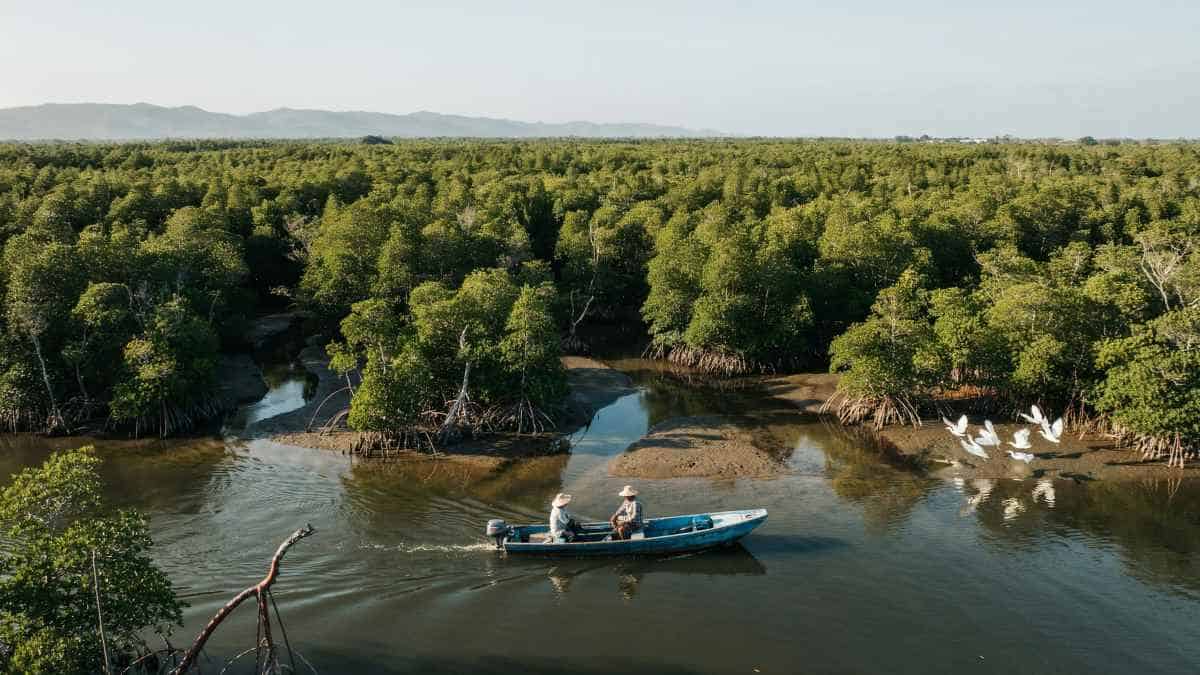
The local government of La Paz, El Salvador, intends to develop tourism experiences in terms of nature in Jiquilisco Bay, deviating from the popular beach locations in El Salvador and developing mangrove channels, fishing villages, wildlife, and nature conservation in Jiquilisco Bay. This plan by the Ministry of Tourism is focused on community and nature conservation, as El Salvador prepares to receive representatives from various parts of the world to take part in World Tourism Day in 2026. Jiquilisco Bay is one of the most distinctive coastal regions of El Salvador that provides both mangroves, islands, water bodies, and ecosystems of the Pacific Ocean. The distance between Jiquilisco Bay and San Salvador is around 102 kilometres.
Jiquilisco Bay Moves Beyond Conventional Beach Tourism
The new tourism approach expands the visitor experience beyond traditional beachfront activities. Instead of concentrating travel around surf breaks and heavily visited coastal stretches, the proposed ecological perimeter directs visitors into the estuarine landscape surrounding Jiquilisco Bay.
For travellers, that means a different type of coastal itinerary. Narrow waterways, mangrove forests, fishing settlements and open estuary landscapes create opportunities for guided boat journeys and nature observation, with the surrounding communities becoming part of the travel experience.
Advertisement
Advertisement
The initiative also places smart environmental monitoring into the tourism framework. Sensor-based micro-grids are intended to support monitoring and infrastructure in areas where conventional development can place pressure on sensitive ecosystems.
Mangrove Channels Become a Tourism Experience
Advertisement
Advertisement
Mangrove forests are among the defining features of Jiquilisco Bay. Their maze of waterways provides a setting for visitors to explore the coast from the water rather than from a conventional beach resort.
Paddling routes and small-boat excursions can take travellers through quieter channels where the landscape changes from open water to dense mangrove vegetation. Such journeys are particularly suited to visitors interested in photography, birdwatching and coastal ecology.
The proposed community-managed circuits also connect tourism with residents who live and work around the estuary. Fishing communities can provide local knowledge, guiding and cultural experiences that are difficult to replicate through conventional tourism operations.
Wildlife Tourism Gains a Stronger Role
Jiquilisco Bay is important for marine and coastal biodiversity. Its mangrove ecosystems provide habitat for birds, fish and other species while supporting wider ecological processes along the Pacific coast.
The conservation programme places particular attention on hawksbill sea turtle nesting areas. For wildlife-focused visitors, turtle conservation can become part of the broader interpretation of the coastal environment, although access to nesting areas needs to remain carefully managed to avoid disturbance.
Advertisement
Advertisement
Visitors exploring the bay can also encounter a range of birdlife around mangrove islands and tidal channels. Early morning excursions are particularly suited to wildlife observation because waterways are generally calmer and bird activity can be easier to observe.
Fishing Communities Become Part of the Visitor Journey
One of the most important changes in the tourism model is the greater role assigned to coastal communities. Rather than treating fishing villages simply as points along an excursion route, the programme links tourism activity with local enterprises.
Women-led food and craft cooperatives are expected to participate through artisanal products, prepared foods and community-based visitor experiences. Micro-loan platforms are also part of the development approach described for the project.
For travellers, this can create opportunities to purchase locally produced food and crafts directly from community enterprises. It also allows a tourism itinerary to include everyday coastal life alongside nature experiences.
Puerto El Triunfo Offers a Gateway to the Bay
Advertisement
Advertisement
Puerto El Triunfo is one of the practical access points for exploring Jiquilisco Bay. The town has a strong connection with the surrounding waterways and provides access to boat-based experiences across the estuary.
Travellers using the area as a base can combine a bay excursion with visits to nearby communities and protected coastal landscapes. The Salvadoran government has also identified improvements to the Puerto El Triunfo waterfront and other visitor infrastructure around the bay, including planned improvements to piers and access facilities.
Jiquilisco and Puerto Parada are also included in wider infrastructure planning around the bay, with proposed embarkation facilities intended to improve visitor access to some islands.
Costa del Bálsamo Adds a Wider Coastal Dimension
The tourism strategy also places the Jiquilisco experience within a wider coastal framework that includes the Costa del Bálsamo hinterlands. This creates the possibility of linking marine landscapes with inland cultural and nature experiences rather than keeping visitors within a single beach destination.
For road travellers, the wider coastal itinerary can be structured around several stops, allowing time for local food, fishing communities, nature excursions and coastal viewpoints.
Advertisement
Advertisement
Planning a Mangrove Trip in El Salvador
If anyone wishes to take the tours of Jiquilisco Bay, he/she should ensure that the tours have been organised by people who are familiar with the place. Also, since the mangrove channels of Jiquilisco are tidal, the state of the channels is dependent on weather conditions and water levels. If anyone comes to visit this place by boat, it will be prudent to bring along some light clothing, insect repellent, drinking water, a cover for the camera/cell phone and whatever other things one may need. Tourists coming to visit this place must ensure that they bring their binoculars with them and that they do not make any noise while in the sensitive regions. The tour circuit organised by the local community makes Jiquilisco Bay a unique tourist destination with the mangrove forest, marine life, fishing and much more. For those tourists who do not want to go with the conventional tourism of El Salvador, Jiquilisco Bay gives them an alternative route via the Pacific Ocean.
Advertisement
