
Peru Connects Sacred Valley Astronomy, Quechua Heritage and Community-Led Luxury Travel

Published
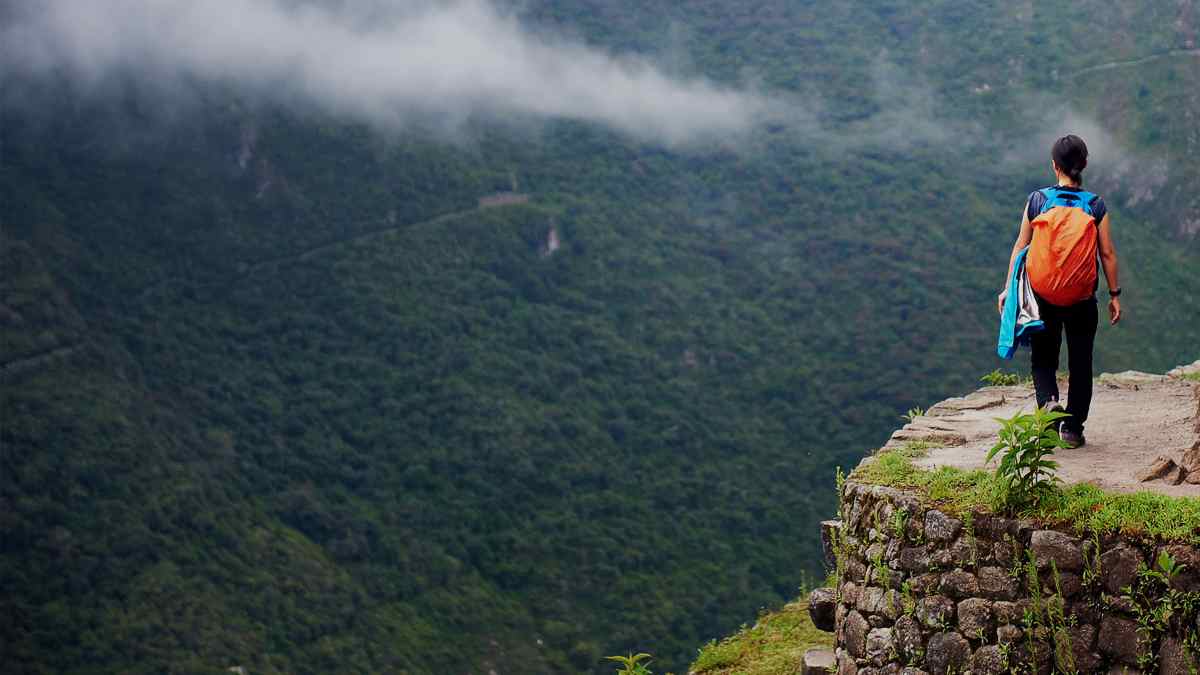
The country of Peru has been introducing the ancient astronomical science of the Andes, culture of Quechua heritage and community-based experiences as travellers seek alternatives to the usual travel route to Cusco and the Sacred Valley. Among the terraced hills, mountain ranges and old communities, this area provides a tourist experience defined by Indigenous knowledge, traditional cuisine and the stars in the sky. The proposed Raymi Ch’aska & Sacred Valley High-Andean Astronomy Gatherings in the period from September 28 to October 1, 2026, have taken the observation of the sky and interpretation of local culture at the centre of an exclusive travel experience. This information about the event and its particular program has not been independently confirmed. The tourism potential in general can be found in linking the travellers with the local communities and their culture in a well-controlled way.
The Sacred Valley Brings Andean Landscapes Into Focus
The Sacred Valley, north-east of Cusco, follows the Urubamba River through a landscape of agricultural terraces, mountain villages and archaeological sites. Its elevation varies considerably, with valley towns generally lower than Cusco, making it a popular part of itineraries designed to help visitors adjust gradually to altitude.
Urubamba is a useful base for exploring the region. Nearby destinations include Pisac, Ollantaytambo and Chinchero, each offering a different perspective on Andean history, craft traditions and everyday life.
The landscape also provides a setting for outdoor experiences, from guided walks to visits to traditional farms. For visitors interested in astronomy, the high-altitude environment can offer clear night skies when weather conditions permit.
Advertisement
Advertisement
Andean Astronomy Connects the Sky With Cultural Knowledge
The proposed gatherings centre on the relationship between celestial observation and Andean cultural traditions. Across the Andes, the sky has long informed agricultural calendars, seasonal understanding and cultural interpretations of the natural world.
A guided stargazing experience using optical telescopes could introduce visitors to planets, stars and visible constellations, while local Quechua knowledge holders explain relevant traditions in their own terms.
Advertisement
Advertisement
Such experiences require thoughtful cultural collaboration. Indigenous knowledge should not be reduced to a performance for visitors, and interpretations should be led by community participants who choose what they wish to share.
The proposed setting of adobe-style pavilions, fireside gatherings and warm quinoa-cacao drinks adds a hospitality dimension to the concept. These details remain part of the supplied event vision rather than a confirmed itinerary.
Advertisement
Advertisement
Cusco Extends the Journey Through Inca Heritage
Cusco provides the principal cultural gateway to the Sacred Valley. Once the capital of the Inca Empire, the city retains stonework, colonial architecture and archaeological remains that reflect successive periods of Peruvian history.
The historic centre includes Plaza de Armas, the Cathedral of Cusco and the nearby Temple of the Sun, known as Qorikancha. Visitors can also explore Sacsayhuamán, an important archaeological complex above the city.
The route from Cusco into the Sacred Valley allows travellers to combine urban heritage with rural landscapes and community experiences. However, altitude remains an important consideration. Cusco sits at approximately 3,400 metres above sea level, while Urubamba is around 2,870 metres, and visitors should allow time to acclimatise.
Community Tourism Gives Craft Traditions a Wider Audience
Peru’s craft sector includes textiles, ceramics, weaving, metalwork and other traditions maintained by artisans and community organisations. In the Cusco region, weaving communities preserve techniques involving natural fibres, patterns and locally significant designs.
Advertisement
Advertisement
Digital craft directories such as Experiencia Turística Artesanal are intended to improve visibility for artisan experiences and tourism-linked craft activities. Their potential value lies in helping visitors identify local producers and discover experiences beyond the most frequently visited attractions.
However, claims that the directory is already driving verified community tourism or high-value bookings require current participation and performance data.
For travellers, direct engagement with artisans can provide a deeper understanding of materials, techniques and cultural meaning. Purchasing work directly from makers or through recognised community initiatives can also help support local livelihoods.
Luxury Travel Meets Cultural Responsibility
The Sacred Valley’s accommodation offerings include boutique hotels, restored properties and luxury lodges set among mountains and agricultural landscapes. These stays can provide privacy and comfort while allowing visitors to explore nearby villages and archaeological sites.
The premium opportunity is not simply about exclusivity. Smaller groups, locally guided experiences and longer stays can give communities greater control over visitor interactions and help distribute tourism activity across more locations.
Responsible operators should make clear how community partners are involved, how cultural activities are organised and where visitor spending goes. This is particularly important when experiences involve Indigenous knowledge, ceremonial practices or traditional settings.
Planning a Sacred Valley and Cusco Visit
The main international airport in this region is Alejandro Velasco Astete International Airport of Cusco. The distance from Cusco to Urubamba via road is 55-60 kilometres. Train transportation provides a connection between Machu Picchu and the Cusco region, while road transportation provides a connection between towns of the Sacred Valley and archaeological sites. Visitors must have knowledge about train schedules, entrance requirements, and availability of archaeological sites before visiting. September is normally within the dry season in the Cusco region; however, climate on the mountains might be unpredictable. Extra warm clothes are recommended for cold evenings when participating in astronomical activities. While tourist destinations in Peru are becoming more various, the special combination of natural surroundings, Quechua culture, and community participation offers visitors another chance of visiting this country.
Advertisement
