Published on February 25, 2026

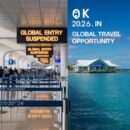
Image generated with Ai
For decades, the United States was the undisputed heavyweight of global tourism. From the neon glow of Times Square to the rugged majesty of the Grand Canyon, the “American Dream” was a primary export. But as of February 2026, the data tells a sobering new story. According to recent reports, the U.S. has hemorrhaged $10 billion in tourism revenue over the last year, with a staggering 11 million potential visitors choosing to take their passports elsewhere.
While this slump has sent shockwaves through the American hospitality sector, it is creating a fascinating “ripple effect” for the rest of the world. As one door closes in the land of the free, travelers are finding that the welcome mat is being rolled out wider than ever in neighboring destinations.
The decline didn’t happen in a vacuum. Industry analysts point to a “toxic mix” of factors that have made the U.S. a less-than-ideal destination for 2026:
As Canadians pull back from the U.S., they are looking south—but not to the Gulf Coast. Bermuda has emerged as the primary beneficiary of this geographic shift. Statistics from the Caribbean Tourism Organization show that Canadian stopover arrivals to Bermuda surged by 27.7% year-on-year.+1
Advertisement
It isn’t just Canadians, either. Ironically, even Americans are looking for a “getaway from the getaway.” Bermudian officials report an uptick in U.S. citizens seeking refuge on the island to escape the political upheaval and social tension dominating their home news cycles. For Bermuda, the “American slump” has become a strategic windfall.
While the macro-economic picture looks bleak for the U.S., there is a humanized upside for the opportunistic traveler. Richard Tucker, a Bermudian native and General Manager of the Arlo SoHo in New York City, sees the situation as a rare chance for value-seekers.
Advertisement
Advertisement
“There are better deals out there for anyone looking to travel right now,” Tucker explains. “This is actually the best time to come to New York City. Rates are priced fairly low—even for the peak winter months of January and February, we are seeing lower rates this year than last.”
For the traveler willing to navigate the extra layer of border bureaucracy, 2026 offers an “unthinkable” luxury: a fairly priced Manhattan. Hotels that were once perpetually booked are now slashing rates to lure back the international spenders they lost to Mexico (which saw a 13% jump in tourism) and Canada (up 6%).+1
Advertisement
Advertisement
If you are planning to travel this year, the shifting map offers several distinct paths:
The $10 billion tourism deficit is more than just a fiscal loss; it is a sign of a “highly elastic” market where travelers are voting with their feet. As the U.S. grapples with internal policy disputes and border tensions, the rest of the world is proving that the desire for discovery is stronger than any single destination’s brand.
Whether you’re taking advantage of the historic lows in NYC hotel rates or joining the Canadian wave toward the pink sands of Bermuda, 2026 is the year where the “alternative” becomes the “mainstream.”
Advertisement
Tags: Global Entry suspension, Mexico tourism growth, Travel to Bermuda Trends, US Tourism Decline 2026

















Wednesday, February 25, 2026

Wednesday, February 25, 2026
Wednesday, February 25, 2026

Wednesday, February 25, 2026
Tuesday, February 24, 2026

Tuesday, February 24, 2026

Wednesday, February 25, 2026

Tuesday, February 24, 2026