
UK Joins US, Germany, Netherlands, Portugal, Sweden, Poland and More Countries as Visa Rejection Challenges Escalate Across Key Global Destinations, Forcing Indian Travellers to Navigate Strict Rules, Limited Appeals and Reapplication Risks in 2026

Published
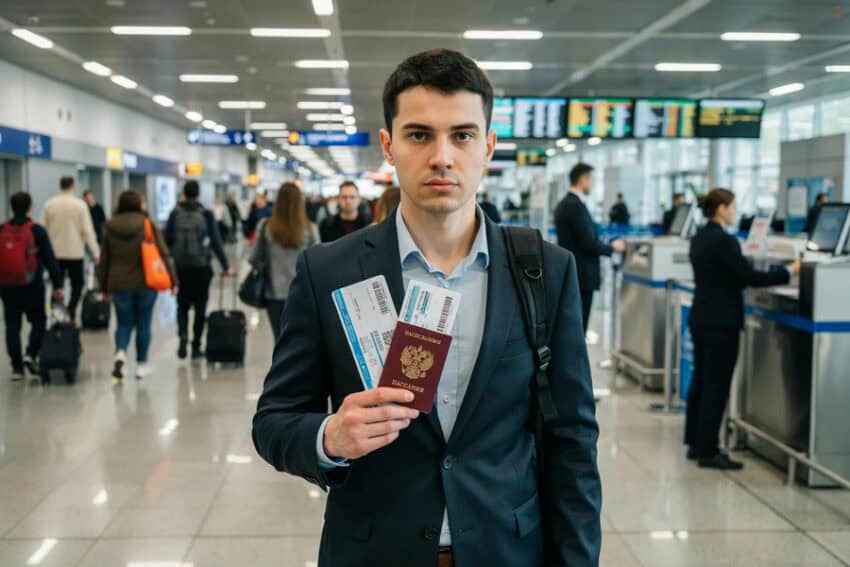
UK Joins US, Germany, Netherlands, Portugal, Sweden, Poland and several other major destinations as visa rejection challenges intensify across global immigration systems in 2026, reflecting a sharp tightening of entry controls driven by security screening upgrades, migration management priorities and more stringent documentation verification standards. Across key destinations including the United Kingdom and the United States, alongside Germany, Netherlands, Portugal, Sweden and Poland, authorities are increasingly applying risk-based adjudication models that reduce approval margins for short-stay, work, and study categories. The tightening framework is creating heightened uncertainty for travellers from India, who now face stricter eligibility thresholds, limited appeal pathways and higher reapplication exposure, reshaping international mobility flows and amplifying planning risks across tourism, education and business travel segments worldwide.
Visa rejection challenges are intensifying across major global destinations as immigration systems become stricter, faster, and more data-driven in 2026. Indian travellers face rising complexity in visa approvals as countries tighten documentation checks, financial scrutiny, and intent verification. The United Kingdom, United States, and Schengen nations continue to enforce rigid refusal systems that leave little room for flexible appeal outcomes. As a result, travellers now face a difficult decision between appealing a refusal or submitting a completely new application.
The global visa landscape has shifted toward stricter compliance, automated screening, and reduced tolerance for incomplete submissions. This has increased rejection sensitivity even when applications appear complete. Each destination now follows a distinct rejection recovery model, forcing applicants to carefully understand country-specific systems before taking the next step.
Rising Visa Rejection Pressure Across Major Travel Destinations
Visa refusal rates have increased in several key long-haul destinations as governments tighten border security and migration control. Authorities now prioritize financial stability, travel intent clarity, and return assurance more than ever before.
Advertisement
Advertisement
Indian travellers applying for tourism, business, or short-term visas often face stricter scrutiny in documentation review. Even minor inconsistencies in bank statements, employment records, or travel history can trigger rejection decisions. Immigration systems now rely heavily on risk-based profiling and digital verification tools.
This evolving environment makes visa recovery strategies more important than ever, especially when deciding between appeal and reapplication routes.
Advertisement
Advertisement
United Kingdom: Strict Administrative Review System
The United Kingdom applies a structured Administrative Review system for certain visa categories. Applicants can request a review only when they believe an error occurred in the decision-making process.
The system does not allow new supporting documents. Instead, it focuses entirely on the original application file. Immigration officers reassess whether rules were correctly applied and whether evidence was properly evaluated.
Key characteristics of UK system:
- No new evidence allowed
- Focus on caseworker error
- Strict procedural review
- Fixed processing window
This makes the UK system highly technical, where success depends on identifying clear administrative mistakes rather than strengthening documentation after refusal.
United States: Fresh Application-Only Model
The United States follows a completely different approach. It does not offer any formal appeal or review mechanism for visitor visa refusals.
Applicants must submit a new application after a refusal. This system places full responsibility on the applicant to improve their profile before reapplying.
Each new submission is treated independently, meaning past refusals do not get formally reviewed.
Advertisement
Advertisement
Key characteristics of US system:
- No appeal or review process
- Mandatory fresh application
- Full documentation reset
- Strong focus on updated evidence
Applicants must significantly improve financial proof, travel intent, and personal ties before attempting again.
Schengen Area: Formal Objection and Appeal System
The Schengen region provides a structured appeal process for visa refusals. Applicants can submit a formal objection within a limited timeframe, usually around 30 days.
Authorities then re-evaluate the case based on legal and factual grounds. This process requires strong justification and clear supporting evidence that addresses the refusal reasons.
Key characteristics of Schengen system:
- Formal appeal allowed
- Strict deadline (around 30 days)
- Legal review process
- Strong evidence requirement
Applicants must demonstrate strong ties to their home country, financial stability, and clear travel purpose to succeed in appeal cases.
Country-Wise Visa Rejection Recovery Breakdown
United Kingdom
The UK allows Administrative Review for specific refusal categories. Applicants must rely on original application content. No new evidence is accepted. The process suits cases involving procedural or assessment errors.
United States
The US requires applicants to submit a fresh application after refusal. Each application is assessed independently. Improvement in financial strength, employment stability, and travel clarity is essential.
Advertisement
Advertisement
Germany
Germany follows Schengen rules. Applicants can file a formal appeal or objection. Strong supporting documentation and clear justification improve success chances.
Netherlands
The Netherlands applies Schengen appeal rules. Authorities review legal validity of refusal decisions. Applicants must clearly address rejection reasons with strong supporting proof.
Portugal
Portugal allows Schengen-based appeal procedures. Financial proof and return intention play a key role in reassessment outcomes.
Sweden
Sweden follows structured Schengen appeal rules. Applicants must submit objections within the legal timeframe. Strong ties to home country are essential.
Poland
Poland applies strict Schengen visa refusal appeal rules. Authorities focus heavily on documentation consistency and travel intent verification.
Spain
Spain allows appeal procedures under Schengen regulations. Applicants must demonstrate clear travel purpose and strong financial backing.
Advertisement
Advertisement
Italy
Italy follows standard Schengen appeal systems. Reapplications often succeed when applicants provide improved documentation and corrected errors.
France
France allows formal appeal submissions. Authorities carefully review financial credibility and travel history before reconsidering refusals.
Belgium
Belgium follows Schengen objection rules. Applicants must respond within strict deadlines and provide strong supporting justification.
Austria
Austria applies structured appeal procedures under Schengen law. Case review depends on documentation strength and compliance evidence.
Greece
Greece follows standard Schengen refusal appeal systems. Strong ties to home country significantly influence outcomes.
Switzerland
Switzerland applies strict Schengen evaluation standards. Appeals require strong legal and factual justification.
Advertisement
Advertisement
Reapplication vs Appeal: Strategic Decision-Making
Travellers must carefully decide whether to appeal or reapply after a visa refusal. Each method serves a different purpose and depends on the nature of rejection.
Reapplication works best when:
- Documents were incomplete
- Errors were minor
- Financial records need improvement
- Travel plan needs clarification
Appeal works best when:
- Decision appears incorrect
- Evidence was ignored
- Procedural mistakes occurred
- Legal review is justified
Reapplication is generally faster and more flexible, while appeals take longer but can correct decision errors.
Importance of Strong Supporting Evidence
Visa success now depends heavily on updated documentation quality. Immigration officers assess risk based on financial strength, employment stability, and travel intent.
Key supporting documents include:
Advertisement
Advertisement
- Recent bank statements
- Income tax returns
- Employment verification letters
- Property ownership records
- Business registration documents
Applicants with weak or inconsistent documentation often face repeated refusals. Strengthening these elements significantly improves approval chances.
Global Shift Toward Strict Visa Governance
Countries across Europe, North America, and other major destinations are tightening visa policies due to increased migration concerns and security priorities. Digital screening systems now evaluate applicants more aggressively than before.
This shift has made visa approvals more competitive and documentation-sensitive. Even small inconsistencies can influence rejection outcomes.
Visa rejection challenges are rising across major global destinations as immigration systems become stricter and more selective in 2026. The United Kingdom, United States, Germany, Netherlands, Portugal, Sweden, Poland, and other Schengen countries now follow distinct refusal recovery models that require careful planning.
UK Joins US, Germany, Netherlands, Portugal, Sweden, Poland and more countries as visa rejection rates rise sharply in 2026 due to stricter immigration screening, tighter documentation checks and risk-based approval systems, leaving Indian travellers facing higher refusals, limited appeal options and repeated reapplication risks across tourism, study and business travel categories.
Indian travellers must understand each country’s system before choosing between appeal and reapplication. Success depends on strong documentation, improved financial stability, and clear travel intent. Strategic preparation now plays a critical role in overcoming visa refusal barriers and securing future international travel approvals.
Advertisement
