Published on February 28, 2026
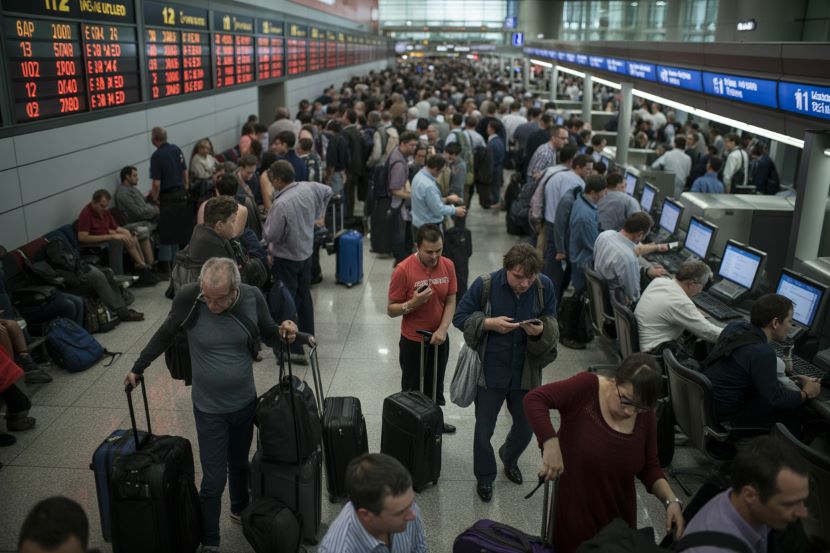
Image generated with Ai
Asia’s air travel network is currently facing significant turmoil, with widespread flight cancellations and delays affecting major airports across Malaysia, Indonesia, Singapore, Thailand, China, and Japan. A total of 35 flights have been cancelled, and 787 others delayed, severely disrupting the schedules of airlines such as Batik Air, AirAsia, Garuda, Jetstar, ANA Wings, Chengdu Airlines, and more. These disruptions have caused considerable challenges for passengers traveling to and from cities like Kuala Lumpur, Jakarta, Makassar, Kota Kinabalu, Urumqi, Qingdao, Singapore, Osaka, and beyond.
Here is a breakdown of the flight cancellations and delays recorded across major airports in the affected regions:
This disruption has caused ripple effects across regional and international flights, with many passengers stranded or rerouted as airlines scramble to find alternative solutions.
The ongoing chaos across Asia’s major airports highlights the severity of the issues that have been plaguing the region’s air travel industry. To understand the scale of this disruption, let’s delve deeper into the cancellations and delays at some of the most heavily impacted airports:
Advertisement
Kuala Lumpur International Airport, Malaysia’s busiest airport, has seen the largest number of delays, with 202 flights delayed and 10 cancelled. The majority of delays were caused by operational inefficiencies and aircraft availability issues. This number represents a mix of domestic and international flights, with airlines like AirAsia and Batik Air being hit the hardest. Passengers were often informed of the delays after already arriving at the airport, contributing to further frustration.
The delays have primarily been linked to the aircraft not being available for scheduled departures due to maintenance issues or late arrivals from earlier flights. As a result, many travelers faced delays ranging from several hours to more than half a day, while others had their flights entirely cancelled.
Advertisement
Advertisement
Jakarta’s Soekarno-Hatta International Airport, one of the busiest airports in Southeast Asia, recorded 9 flight cancellations and 51 delays. The delay rate was particularly high for Batik Air and Garuda Indonesia, as these airlines were significantly impacted by operational constraints. The cancellations were largely due to issues with aircraft turnaround times, as well as delays in flights arriving from other international destinations.
As the delays continued to pile up, airport authorities struggled to manage the growing crowd, leading to an even more chaotic atmosphere at check-in counters and customer service desks. Many passengers on connecting flights found themselves unable to reach their destinations in time, and were often left with little guidance from airlines on alternative routes.
Advertisement
Advertisement
Urumqi Diwopu International Airport in China faced an alarming 181 delays, with only 1 cancellation. The delays were primarily caused by operational bottlenecks, with several airlines reporting issues with aircraft maintenance and crew scheduling. This caused a domino effect, as one delayed flight led to further delays throughout the day.
In many cases, delayed flights were due to aircraft being held in maintenance for longer than expected. The delays were also aggravated by weather-related issues in the region, further complicating operations and contributing to the operational delays. Passengers faced long waiting times, and some had to wait up to 6 hours for rebooking information.
Qingdao Jiaodong International Airport saw 2 cancellations and 101 delays. The major disruptions were again tied to technical issues with aircraft, with many flights from regional carriers experiencing prolonged wait times. While delays were not as severe as in other airports, passengers on international routes were particularly affected by the ongoing operational challenges, with some flights departing hours later than scheduled.
Passengers at this airport faced a confusing lack of communication from airlines, as there were no clear indications as to whether their flight would be departing soon or if alternative routes could be found.
Singapore’s Changi Airport is generally considered one of the most efficient airports in the world, but even it was not spared from the chaos. With 1 flight cancelled and 61 delayed, the disruptions caused a ripple effect across Southeast Asia and beyond. Delays were largely attributed to logistical challenges in handling the increasing number of flights during peak travel times.
While delays were less frequent compared to other airports, the sheer volume of passengers, many of whom were heading to international destinations, made navigating the airport more difficult. With international flights delayed, travelers on connecting routes were often left waiting for extended periods before they could secure a rebooking.
The widespread flight cancellations and delays across Asia can be attributed to several factors, many of which are interlinked:
If you are traveling through one of the affected airports, here are a few tips to help you manage the situation:
Although the situation is challenging, airlines and airports are working diligently to resolve the ongoing issues. Both operational improvements and better communication strategies will be key in minimizing the impact of future disruptions. However, passengers should continue to stay updated and exercise patience while the travel industry recovers from this significant disruption.
The ongoing disruption across Asia’s major airports highlights the vulnerability of air travel networks, particularly during periods of high congestion and when operational challenges arise. Passengers are urged to be patient and to stay informed about the status of their flights. By understanding their rights, arriving early, and exploring alternative travel options, travelers can better manage the inconvenience caused by the delays and cancellations.
Source: Different airports and FlightAware
Advertisement


















Saturday, February 28, 2026

Saturday, February 28, 2026

Saturday, February 28, 2026

Saturday, February 28, 2026

Saturday, February 28, 2026

Saturday, February 28, 2026

Saturday, February 28, 2026