
China Explodes in Autumn Colours as Beijing, Nanjing and Other Stunning Escapes Lure Travellers Beyond Peak Season

Published
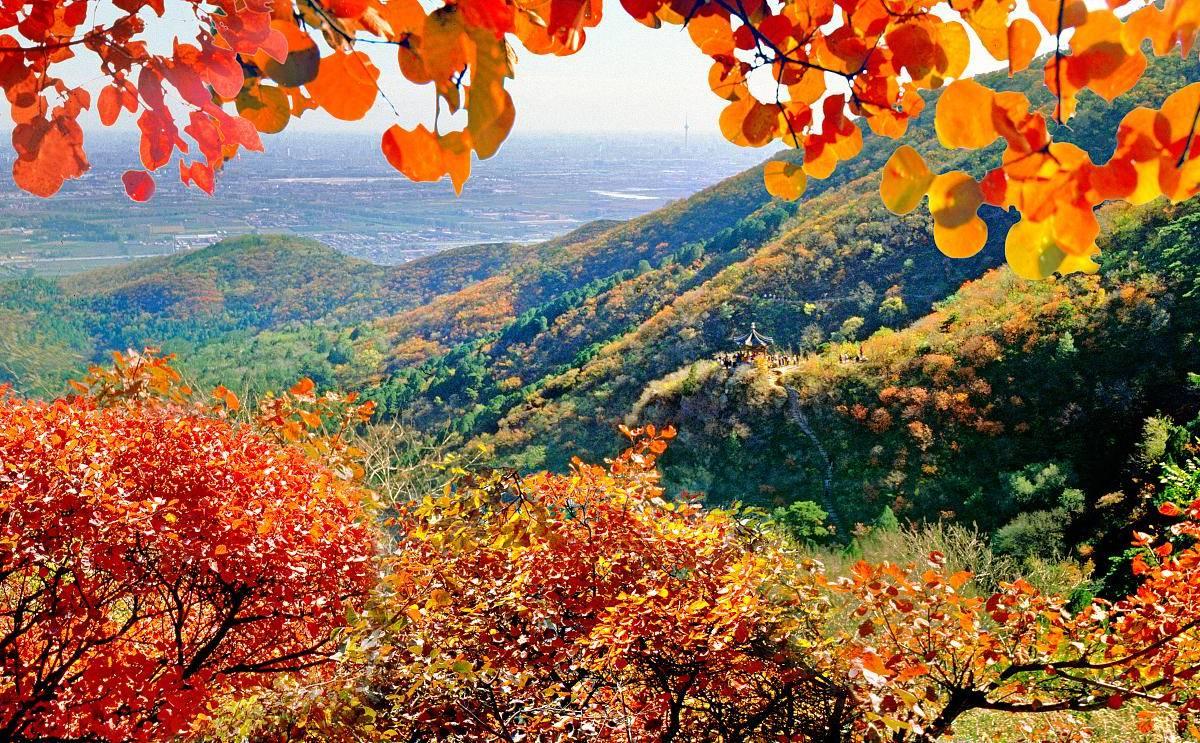
China is opening fresh opportunities for travelers seeking colorful landscapes, cultural experiences, and quieter escapes after the National Day holiday rush and autumn tourism season in 2026. Beijing, Nanjing, Hangzhou, Shanghai, Suzhou, Xi’an, Huangshan, Guilin, Tengchong, and Chongqing are among the destinations attracting seasonal interest through their spectacular foliage, historic landmarks, scenic mountains, and rural landscapes. With China’s National Day Golden Week ending on October 7, travelers have opportunities to explore beyond the busiest holiday period. However, popular foliage attractions can still draw substantial crowds. From crimson maple forests to golden ginkgo villages, China’s varied autumn landscapes offer compelling reasons to travel throughout October, November, and early December.
China’s Leading Cities for Off-Peak Autumn Tourism in 2026
| City or destination | Province/region | Major autumn attractions | Recommended 2026 viewing period | Tourism appeal |
|---|---|---|---|---|
| Beijing | Beijing Municipality | Fragrant Hills, Summer Palace, Jingshan Park, Mutianyu Great Wall | Mid-October–early November | Red foliage, imperial heritage and Great Wall landscapes |
| Nanjing | Jiangsu | Qixia Mountain, Ming Xiaoling, Zhongshan Mountain | Late October–early December | Crimson maples, historic temples and tree-lined avenues |
| Hangzhou | Zhejiang | West Lake, Yanggong Causeway, Beishan Street, Xianghu | Late October–late November | Golden lakeside foliage, osmanthus and scenic walks |
| Shanghai | Shanghai Municipality | Wukang Road, Yuyuan Road, Gushu Park, Qingxi Country Park | November–early December | Urban autumn photography, ginkgo and woodland scenery |
| Suzhou | Jiangsu | Tianping Mountain, Humble Administrator’s Garden, Lingering Garden | Mid-November–early December | Classical gardens, maples and golden ginkgo |
| Xi’an | Shaanxi | Ancient City Wall, Xingqing Palace Park, Small Wild Goose Pagoda | Mid-October–mid-November | Historical exploration and autumn park scenery |
| Huangshan | Anhui | Huangshan Mountain, Shexian, traditional Huizhou villages | Mid-October–mid-November | Mountain photography, misty landscapes and heritage villages |
| Guilin | Guangxi | Longji Rice Terraces, Longsheng villages, Li River | October–early November | Golden rice fields, karst mountains and rural tourism |
| Tengchong | Yunnan | Jiangdong Ginkgo Village, volcanic landscapes and hot springs | Mid-November–early December | Golden ginkgo forests, homestays and agritourism |
| Chongqing | Chongqing Municipality | Wushan County, Wuxia Gorge, Three Gorges | November–December | Red-leaf mountains, Yangtze cruises and geological scenery |
| Chengdu | Sichuan | Chengdu parks and cultural districts; excursions to Jiuzhaigou | October–early November | Urban leisure, Sichuan cuisine and alpine excursions |
| Dunhuang | Gansu | Poplar forests, desert landscapes, Mogao Caves | Mid-October–late October | Golden desert foliage, Silk Road heritage and photography |
Why Is China Becoming an Attractive Destination for Off-Peak Autumn Tourism in 2026?
China’s autumn tourism appeal comes from the country’s varied geography, seasonal landscapes, and extensive cultural attractions. After the National Day Golden Week, which ran from October 1 to October 7, 2026, visitors can explore destinations outside one of the country’s busiest domestic travel periods.
Government figures show that China recorded approximately 826 million domestic tourist trips during the seven-day holiday, generating about 738.38 billion yuan in tourism spending. These figures demonstrate the strength of domestic tourism demand but do not establish how many visitors will travel during the remainder of autumn.
Nevertheless, seasonal attractions provide opportunities to extend tourism activity beyond major national holidays.
Advertisement
Advertisement
Northern cities generally experience their strongest autumn colors earlier, while destinations in eastern and southwestern China can remain attractive well into November or December.
For travelers, this geographical diversity creates opportunities to plan trips around foliage, cultural festivals, photography, regional cuisine, and experiences that differ significantly from conventional summer vacations.
Advertisement
Advertisement
How Is Beijing Attracting Travelers With Its Spectacular Red Autumn Landscapes?
Beijing remains one of China’s most recognizable autumn destinations, combining imperial architecture with forests that turn red, orange, and gold as temperatures decline.
Fragrant Hills Park is particularly famous for its red foliage, while the Summer Palace, Jingshan Park, and other historic gardens offer opportunities to experience seasonal scenery alongside centuries-old cultural landmarks.
The city’s autumn appeal extends beyond central Beijing. Mountain areas and countryside destinations provide additional opportunities for hiking, photography, and nature-focused excursions.
The Pofengling Red Leaf Festival, scheduled from October 1 to November 15, 2026, further strengthens Beijing’s seasonal tourism offering.
Late October and early November are generally favorable for viewing foliage around the capital, although the actual peak depends on temperature and weather conditions.
Travelers seeking comparatively quieter experiences may benefit from visiting popular parks on weekdays rather than weekends. Beijing’s combination of cultural heritage, convenient transportation, and established tourism infrastructure makes it especially suitable for short autumn vacations.
Advertisement
Advertisement
Why Are Nanjing’s Crimson Maple Forests Becoming a Major Seasonal Attraction?
Nanjing offers a remarkable combination of historic temples, imperial monuments, and colorful autumn landscapes.
Qixia Mountain is particularly celebrated for its red maple forests, which create striking scenery around traditional religious buildings and walking routes. Zhongshan Mountain and the Ming Xiaoling Mausoleum provide additional opportunities to experience seasonal color within historically significant surroundings.
The city’s autumn viewing season generally develops later than Beijing’s, making late October through November particularly attractive.
In 2025, local government reporting documented strong autumn color around Zhongshan Mountain during November, while Qixia Mountain continued offering appealing foliage into early December.
These seasonal patterns provide useful guidance for travelers planning visits in 2026, although they should not be treated as guarantees.
Nanjing’s broader tourism offering includes historic neighborhoods, museums, local cuisine, and cultural attractions.
Advertisement
Advertisement
The combination allows visitors to build flexible itineraries rather than depend entirely on weather-sensitive foliage viewing. It also creates opportunities for local hospitality businesses and guided tourism operators.
What Makes Hangzhou’s West Lake a Compelling Autumn Travel Destination?
Hangzhou attracts travelers through its combination of natural scenery, cultural heritage, and relaxed lakeside experiences.
West Lake becomes particularly picturesque during autumn, when golden leaves frame historic pagodas, landscaped gardens, bridges, and waterside pathways.
Beishan Street, Yanggong Causeway, and areas around Baoshi Hill offer opportunities for walking, photography, and scenic exploration.
Seasonal osmanthus blossoms add another dimension to the city’s autumn character, while tea culture, traditional neighborhoods, and regional cuisine provide experiences beyond conventional sightseeing.
Late October through November generally offers appealing conditions for autumn tourism, although individual foliage displays vary according to weather.
Advertisement
Advertisement
Hangzhou also benefits from its position within eastern China’s established transportation network, making it practical to combine with nearby cities such as Shanghai and Suzhou.
For tourism businesses, autumn creates opportunities to promote cultural experiences, boutique accommodation, guided walking routes, and lake-related activities.
Travelers seeking a slower pace may find Hangzhou particularly attractive outside major public holidays.
How Is Shanghai Transforming Urban Streets Into Autumn Tourism Attractions?
Shanghai demonstrates that autumn tourism does not necessarily require mountainous landscapes or remote forests.
The city’s historic streets, landscaped neighborhoods, and urban parks become attractive seasonal destinations as ginkgo and plane trees change color.
Wukang Road, Hengshan Road, Yuyuan Road, and Sinan Road offer opportunities to explore architectural heritage surrounded by autumn foliage.
Advertisement
Advertisement
Public spaces such as Qingxi Country Park provide additional natural scenery, including distinctive seasonal changes among dawn redwoods.
Unlike northern Chinese destinations, Shanghai’s autumn colors often develop later, with November and early December offering promising sightseeing opportunities.
The city’s established hospitality, shopping, dining, and public transportation networks strengthen its appeal for travelers planning short vacations.
Visitors can combine photography, neighborhood exploration, museums, restaurants, and seasonal walking routes within a single itinerary.
For local businesses, this creates opportunities to develop specialized walking tours, photography experiences, and hospitality packages that encourage travelers to explore beyond the city’s best-known commercial landmarks.
Why Is Suzhou Emerging as a Favorite for Classical Garden Tourism in Autumn?
Suzhou offers one of China’s most distinctive autumn experiences through its combination of classical gardens, historic waterways, and colorful vegetation.
Advertisement
Advertisement
Tianping Mountain is famous for its red maple trees, which become especially attractive during November. The city’s renowned gardens, including the Humble Administrator’s Garden and Lingering Garden, provide additional opportunities to observe changing foliage within traditional landscaped environments.
Suzhou’s architecture creates an appealing contrast with autumn colors. Decorative windows, stone bridges, ponds, and pavilions form picturesque settings for cultural sightseeing and photography.
Local government observations from November 2025 documented attractive maple scenery at Tianping Mountain and golden ginkgo displays elsewhere in the city.
These historical patterns suggest that November and early December could offer strong seasonal appeal in 2026.
Suzhou also benefits from its proximity to Shanghai and Hangzhou, allowing travelers to explore several destinations within one itinerary. Its appeal extends to heritage accommodation, local food, traditional craftsmanship, and walking experiences.
How Does Xi’an Combine Ancient Heritage With Seasonal Autumn Beauty?
Xi’an offers travelers an opportunity to experience China’s imperial history against a changing autumn landscape.
Advertisement
Advertisement
The ancient city walls, Small Wild Goose Pagoda, Xingqing Palace Park, and other historical landmarks provide attractive settings for seasonal sightseeing.
During autumn, trees surrounding parks and cultural monuments develop shades of yellow, orange, and red, adding visual appeal to the city’s already extensive heritage attractions.
Unlike destinations that depend primarily on seasonal landscapes, Xi’an offers year-round cultural experiences. Travelers can explore the Terracotta Army, museums, traditional neighborhoods, and regional cuisine regardless of foliage conditions.
This combination makes the city particularly attractive for visitors who want a balanced itinerary.
October and November generally offer suitable conditions for walking and historical exploration, although temperatures can decline as winter approaches.
For the tourism industry, autumn creates opportunities to develop heritage-focused travel packages that include photography, guided city walks, and traditional cultural activities.
Advertisement
Advertisement
Why Are Huangshan and Guilin Appealing to Nature-Focused Autumn Travelers?
Huangshan and Guilin offer contrasting natural environments that demonstrate the diversity of China’s autumn tourism market.
Huangshan, in Anhui province, is known for dramatic mountain peaks, distinctive pine trees, atmospheric cloud formations, and historic villages. Autumn introduces additional color into the surrounding forests, creating attractive conditions for hiking and landscape photography.
Guilin, in Guangxi, offers a different seasonal spectacle through the Longji Rice Terraces in nearby Longsheng County.
Before harvesting, the terraced fields turn golden, forming striking patterns across the hillsides.
Visitors can explore agricultural landscapes, traditional villages, and rural walking routes while learning about local farming practices.
October is generally important for the Longji autumn experience, although harvesting schedules influence the appearance of the fields.
Advertisement
Advertisement
Both destinations create opportunities for community-based tourism, local guiding services, and countryside accommodation.
However, visitors should remember that famous mountain viewpoints and popular photography locations can still attract crowds outside major national holidays.
What Makes Tengchong and Chongqing Important for Late-Autumn Tourism?
Tengchong and Chongqing extend China’s autumn sightseeing opportunities into the later part of the year.
Tengchong, in Yunnan province, is particularly famous for Jiangdong Ginkgo Village, where thousands of ginkgo trees create golden landscapes around traditional homes, courtyards, and rural pathways.
The attraction is closely connected with countryside tourism. Local accommodation providers, restaurants, and small businesses can benefit from visitors seeking seasonal experiences.
Mid-November through early December is generally considered an attractive viewing period, depending on weather conditions.
Advertisement
Advertisement
Chongqing offers a different landscape through the mountains and river gorges surrounding Wushan County.
During late autumn, red foliage develops along parts of the Three Gorges region, creating opportunities for river excursions, mountain sightseeing, and photography.
Wushan’s seasonal attractions have previously supported red-leaf festivals and cultural tourism activities.
Together, these destinations show how southwestern China’s varied climate and geography can extend the autumn travel season beyond the traditional October foliage period.
How Could Off-Peak Autumn Travel Support China’s Tourism Economy Beyond 2026?
China’s autumn tourism potential extends beyond beautiful scenery. It also offers opportunities for destinations to distribute visitor spending across a longer period.
Hotels, restaurants, transportation providers, cultural attractions, and local tour companies may benefit when travelers visit outside major holiday weeks.
Advertisement
Advertisement
Rural destinations such as Tengchong and Longsheng are particularly relevant because tourism can create additional income opportunities through homestays, local food, guiding services, and traditional products.
Government tourism initiatives also support seasonal travel. During the 2026 National Day cultural and tourism consumption campaign, authorities reported distributing more than 310 million yuan in tourism-related consumer subsidies and organizing a range of cultural activities.
However, national holiday spending should not be confused with confirmed off-peak growth in individual cities.
For travelers, the strongest opportunities are likely to come from carefully timed itineraries, weekday sightseeing, and flexible destination choices. Autumn foliage remains weather-dependent, and popular viewing locations can experience substantial congestion even after national holidays.
Ultimately, China’s autumn tourism strength lies in its diversity. Beijing’s red forests, Nanjing’s maple-covered mountains, Hangzhou’s lakeside scenery, Shanghai’s golden streets, Suzhou’s classical gardens, and the rural landscapes of Guilin and Tengchong offer distinctly different experiences. As the 2026 season progresses, these attractions provide compelling reasons for travelers to explore China beyond its busiest holiday period while supporting cultural tourism, regional hospitality, and local economic activity.
China’s autumn tourism season offers a compelling alternative to crowded holiday travel, with colorful landscapes extending sightseeing opportunities across multiple regions. Seasonal foliage, historic attractions, and rural experiences are encouraging travelers to consider destinations beyond conventional peak periods. Beijing’s crimson forests, Suzhou’s classical gardens, Guilin’s golden terraces, and Tengchong’s ginkgo villages demonstrate the country’s remarkable geographical diversity. These attractions can support local hotels, restaurants, tour operators, and rural communities. Although peak foliage sites may still experience heavy crowds, flexible itineraries offer rewarding opportunities. Ultimately, China’s autumn beauty provides powerful reasons to explore its destinations beyond Golden Week.
Advertisement
