Published on March 3, 2026

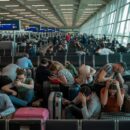
Image generated with Ai
Bahrain and Saudi Arabia‘s vital King Fahd Causeway stands vulnerable following reports of a drone strike amid heightened regional conflict starting February 28, 2026. The twenty-five km structure, connecting Manama in Bahrain to Al Khobar in Saudi Arabia, facilitates massive daily flows of people and goods, now jeopardized by US and Israeli strikes on Iranian targets. Tourism across Bahrain and Saudi Arabia suffers immediate blows as the causeway’s potential role in military evacuations underscores broader security risks to leisure travel.
Established in 1986, the King Fahd Causeway spans twenty-five km and 23.3 meters wide, fostering economic and social ties between Bahrain and Saudi Arabia under joint authority. Handling millions annually, it boosts tourism exchanges, from Bahrain‘s pearl diving to Saudi Arabia‘s Red Sea dives, now at risk from conflict spillover. Infrastructure expansions, including a parallel bridge and railway by 2030, aim to enhance capacity, but current threats halt such tourism-linked progress. Disruptions here ripple into tourism chains, deterring cross-border excursions that define GCC tourism vibrancy.
On February 28, 2026, US and Israeli forces initiated strikes on Iranian facilities, codenamed operations targeting military and leadership sites. Iranian responses involved missiles and drones aimed at US bases in Bahrain, Qatar, UAE, Kuwait, Saudi Arabia, and Jordan, escalating closures. Bahrain‘s proximity to Iran heightens tourism vulnerabilities, with Manama’s Bahrain International Airport suspending operations.
Saudi Arabia‘s Jeddah, key for Umrah tourism, faces indefinite delays, impacting religious and leisure flows. These events severely hamper tourism recovery, with cancellations surging across Gulf destinations.
Advertisement
Bahrain imposed immediate airspace closure post-strikes, stranding thousands and freezing tourism to its luxury hotels and souks. Saudi Arabia followed suit, narrowing corridors and halting flights to Riyadh and Jeddah, critical for Hajj preparations and business tourism. Regional hubs like Dubai and Doha report mass diversions, compounding tourism losses estimated in billions. Airlines suspend services, forcing overland reliance on causeways now under threat, devastating tourism itineraries.
US military presence in Bahrain elevates the King Fahd Causeway as a potential evacuation route amid Iranian retaliations. Bahrain government coordinates precautionary steps, mirroring health protocols for causeway entries during past crises. Saudi Arabia bolsters border security, indirectly safeguarding tourism infrastructure while prioritizing defense.
Advertisement
Advertisement
Such measures reassure tourism stakeholders but signal prolonged disruptions, curbing spontaneous visits to Bahrain‘s pearl farms and Saudi Arabia‘s AlUla ruins.
Hotels in Bahrain, Saudi Arabia, Dubai, Doha, and Muscat log sharp cancellation spikes, hitting luxury, corporate, and group tourism. Saudi Arabia‘s religious tourism to Mecca faces detours, stranding pilgrims and eroding seasonal peaks. Bahrain‘s event-driven tourism, including motorsports, grinds to halt, prompting refunds and rescheduling.
Analysts predict far-reaching aviation interruptions rivaling pandemic levels, slashing tourism arrivals by tens of thousands daily.
GCC tourism boards report booking freezes from Europe, Asia, and Africa, with high-value stays vanishing overnight. Bahrain and Saudi Arabia‘s shared causeway economy, supporting retail and dining tourism, faces contraction. Governments accelerate bilateral coordination on infrastructure, but conflict delays investments. Tourism diversification into eco and cultural niches stalls, demanding resilient strategies amid insecurity.
Bahrain Ministry of Transportation maintains causeway protocols, emphasizing safety for residual tourism flows. US Embassy issues shelter advisories impacting expatriate tourism support networks. Saudi Arabia aligns with GCC security pacts, prioritizing airspace normalization for tourism revival. Travel warnings urge avoidance of Bahrain, Iraq, and peers, redirecting tourism dollars elsewhere.
Post-conflict, Bahrain and Saudi Arabia eye rapid causeway inspections and airspace reopenings to reclaim tourism momentum. Enhanced bilateral ties, including cruise attractions, promise tourism rebounds. Digital campaigns and incentives could lure back visitors to Manama’s pearls and Riyadh’s modernity. King Fahd Causeway resilience symbolizes GCC tourism fortitude, poised for resurgence post-tensions.
Advertisement


















Tuesday, March 3, 2026

Tuesday, March 3, 2026

Tuesday, March 3, 2026
Tuesday, March 3, 2026

Tuesday, March 3, 2026

Tuesday, March 3, 2026