Published on March 3, 2026

Image generated with Ai
Bahrain joins the UAE, Saudi Arabia, Lebanon, Qatar, Kuwait, Iraq and other Middle East countries in tourism disruption because multiple strikes by Iran, Israel and the United States have triggered sweeping airspace shutdowns, heightened security risks and mass evacuation advisories across the region. What began as targeted military operations rapidly escalated into a broader aviation and mobility crisis, paralysing commercial flights, forcing route diversions, suspending airport operations and unsettling pilgrimage, leisure and corporate travel flows. As defensive interceptions intensified and governments issued urgent travel warnings, confidence across the Gulf and Levant tourism markets weakened almost overnight. Airlines grounded aircraft, hotels recorded cancellation spikes, land crossings tightened security, and transit hubs struggled with congestion and operational strain, collectively pushing the Middle East’s interconnected tourism network into a period of acute volatility and economic uncertainty.
The Middle East’s tourism economy, which had been steadily regaining momentum after years of pandemic-related contraction and regional volatility, has entered a new phase of instability following escalating military exchanges involving Iran, Israel and the United States. What began as targeted strikes on strategic assets rapidly evolved into a multi-country aviation and mobility crisis. Bahrain now stands alongside the United Arab Emirates, Saudi Arabia, Lebanon, Qatar, Kuwait, Iraq and Jordan as countries facing varying degrees of airspace restriction, airport suspension, land-route disruption, evacuation advisories and sharp declines in visitor confidence.
Tourism in the Gulf and the wider Middle East is uniquely dependent on uninterrupted aviation corridors, seamless border crossings and psychological confidence among travellers. Unlike landlocked regions with diversified domestic tourism buffers, Gulf states rely heavily on international arrivals, transit connectivity and pilgrimage flows. The present escalation struck directly at these foundations. Airports slowed or halted operations. Airlines cancelled or diverted aircraft. Governments issued emergency guidance. Pilgrims were stranded mid-journey. Corporate travellers postponed meetings. Luxury leisure itineraries were cancelled within hours. Hospitality operators reported immediate booking freezes across multiple source markets.
The disruption unfolded sequentially across the region, affecting countries differently but producing a shared outcome: uncertainty.
Advertisement
Advertisement
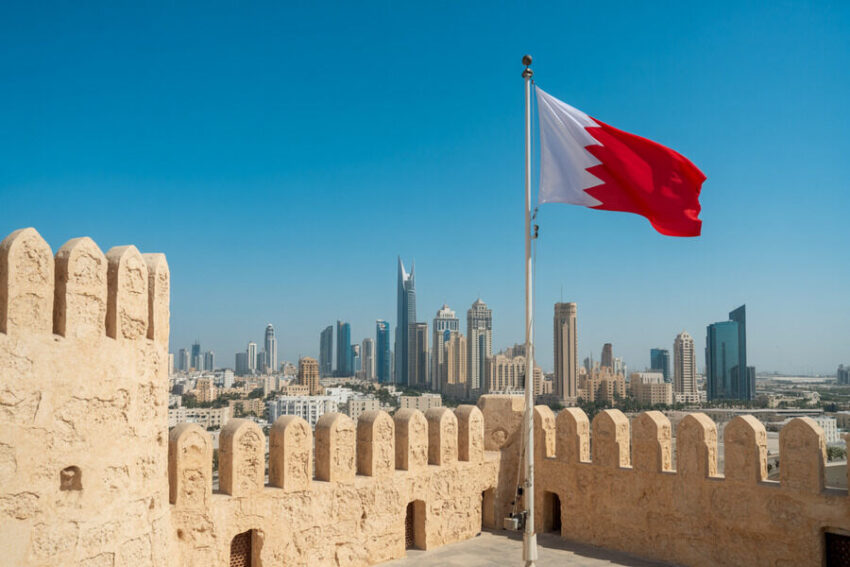
Image generated with Ai
Bahrain’s geographic proximity to regional flashpoints and its strategic infrastructure placed it at the centre of early fallout. Reports of a drone-related security incident near the King Fahd Causeway — the 25-kilometre bridge linking Bahrain to Saudi Arabia — intensified concerns about land mobility between the two kingdoms. The causeway is not merely a transport link; it is a commercial artery supporting daily commuter flows, weekend leisure travel, retail tourism and cross-border dining traffic.
Simultaneously, Bahrain implemented precautionary airspace measures amid missile interception alerts. Bahrain International Airport experienced operational slowdowns and temporary suspension periods, resulting in inbound and outbound passenger disruption. Tour operators paused package sales. International carriers adjusted schedules. Corporate conferences scheduled in Manama were postponed.
Advertisement
Advertisement
The implications for Bahrain’s tourism sector are multi-layered:
Even limited operational disruption generates amplified economic impact due to Bahrain’s relatively compact domestic tourism base.

Image generated with Ai
The United Arab Emirates, particularly Dubai and Abu Dhabi, functions as one of the world’s most critical aviation crossroads. When regional airspace becomes unstable, the ripple effects extend globally. Following the escalation, portions of UAE airspace were restricted, and several flights were cancelled or diverted as airlines reassessed risk corridors.
Dubai International and Abu Dhabi’s main airport operated under tightened monitoring conditions. Evacuation advisories for foreign nationals increased outbound demand, while inbound leisure travel weakened. The UAE’s role as a transit hub magnified operational complexity. Aircraft flying between Europe and Asia required rerouting to avoid contested zones, extending flight durations and increasing fuel costs.
Tourism impacts in the UAE include:
Given the UAE’s dependence on global connectivity, even partial airspace instability generates reputational and economic consequences far beyond national borders.

Image generated with Ai
Saudi Arabia faced airspace adjustments and heightened defensive postures around major cities including Riyadh and Jeddah. The kingdom’s tourism economy, undergoing transformation under long-term diversification plans, remains heavily anchored in religious pilgrimage. Any disruption during Umrah or Hajj preparation cycles carries immediate and measurable consequences.
Temporary narrowing of flight corridors and selective airport suspensions created uncertainty for pilgrims scheduled to travel to Mecca and Medina. Accommodation providers reported cancellations. Travel agencies delayed confirmations. Border security protocols were reinforced, extending processing times.
Key disruptions include:
Religious tourism functions within strict calendars. Disruptions affect not only travellers but airlines, hospitality chains, transport providers and catering services linked to pilgrimage logistics.

Image generated with Ai
Lebanon experienced direct military escalation, creating immediate aviation and tourism consequences. Beirut’s airport faced intermittent operational interruptions. International travel advisories discouraged non-essential travel. Airlines suspended routes temporarily.
Lebanon’s tourism sector, already vulnerable due to economic instability, faced a renewed standstill. Cruise operators reconsidered Mediterranean itineraries involving Beirut. Hotels reported cancellations from diaspora visitors and European leisure markets.
The disruptions include:
Lebanon’s reliance on seasonal tourism amplifies the impact of even short-lived instability.

Image generated with Ai
Qatar adjusted airspace operations in response to missile interception alerts, implementing precautionary rerouting measures and heightened aerial surveillance to safeguard civilian aircraft. Hamad International Airport experienced schedule fluctuations, including delayed departures, diverted arrivals and temporary holding patterns as authorities recalibrated flight corridors. As a major long-haul transit hub linking Europe, Asia and Africa, Qatar’s aviation reliability is central to its tourism and business positioning. Even short-term instability increases operational risk exposure, disrupts premium transit flows, complicates crew rotations and places pressure on airport logistics, ground handling and passenger processing systems. The uncertainty also elevates insurance costs, dampens conference and event travel demand, and creates reputational risk that may influence forward bookings across both leisure and corporate segments.
Although physical damage was limited, perception risk drove cancellations. Conference organisers reconsidered schedules. Transit passengers encountered delays and rerouting.
Impacts include:
In aviation-driven economies, perception often carries economic weight equal to physical disruption.
Kuwait reinforced airport security and adjusted flight schedules amid regional escalation. While large-scale physical disruption was limited, advisory pressure affected inbound travel.
Consequences include:
Kuwait’s smaller tourism market remains highly responsive to geopolitical sentiment.

Image generated with Ai
Iraq implemented precautionary airspace caution measures affecting both passenger and cargo operations as regional missile and drone activity intensified. Civil aviation authorities issued temporary advisories restricting certain flight paths, forcing both commercial and freight carriers to reassess routing plans. Several international airlines rerouted aircraft to avoid contested airspace corridors, leading to longer flight durations, increased fuel consumption and higher operating costs. These diversions reduced airport throughput, disrupted transit connections and lowered overflight revenue — a critical income stream for Iraqi aviation authorities. The uncertainty also heightened insurance premiums, strained scheduling reliability and discouraged new route planning, compounding risks for Iraq’s already fragile aviation and tourism recovery environment.
Disruptions include:
The indirect economic effects of reduced overflight traffic can be substantial over extended periods.

Image generated with Ai
Jordan, positioned geographically near multiple escalation zones and critical regional air corridors, faced precautionary travel advisories that directly affected inbound tourism confidence. Although no widespread infrastructure damage was reported, the perception of proximity to conflict significantly influenced traveller decision-making. Petra, the Dead Sea and Amman experienced noticeable booking hesitation from international leisure groups, cultural tour operators and conference organisers. Travel agencies reported delayed confirmations, while some tour companies temporarily paused new package sales pending stability assessments. Even short-term advisory language from foreign governments created measurable ripple effects across Jordan’s hospitality sector, impacting hotel occupancy forecasts, guided tour schedules and seasonal revenue projections tied to heritage and wellness tourism.
Disruptions include:
Jordan’s tourism model, reliant on cultural and heritage travel, is particularly sensitive to regional instability narratives.
| Country | Airspace Measures | Airport Impact | Tourism Sector Impact | Risk Perception |
|---|---|---|---|---|
| Bahrain | Temporary suspension | Delays & restrictions | Event and leisure decline | Elevated |
| UAE | Partial restriction | Diversions & evacuations | Transit & corporate slowdown | Elevated |
| Saudi Arabia | Narrowed corridors | Pilgrimage delays | Religious travel disruption | Elevated |
| Lebanon | Intermittent closure | Route suspensions | Leisure contraction | High |
| Qatar | Adjusted operations | Schedule instability | Conference & transit decline | Moderate |
| Kuwait | Security alert | Reduced schedules | Business travel slowdown | Moderate |
| Iraq | Partial closure | Airport service reduction | Pilgrimage complications | Moderate |
| Jordan | Precautionary | Flight adjustments | Cultural tourism slowdown | Moderate |
Across the region, systemic consequences are visible:
The Middle East’s tourism architecture is interdependent. When one airspace corridor closes, alternative routes become congested, cascading delays across multiple markets.
The pathway to recovery depends on rapid de-escalation and restoration of airspace normalcy. Gulf aviation authorities possess advanced infrastructure and crisis management capability. However, traveller confidence must be rebuilt through transparent communication, coordinated reopening strategies and reassurance campaigns targeting source markets in Europe, Asia and Africa.
If tensions subside quickly, pent-up demand could generate rebound travel. If instability persists, tourism arrivals across Bahrain, UAE, Saudi Arabia, Lebanon, Qatar, Kuwait, Iraq and Jordan could decline sharply over the medium term.
Bahrain joins the UAE, Saudi Arabia, Lebanon, Qatar, Kuwait, Iraq and other Middle East countries in tourism turmoil due too escalating strikes by Iran, Israel and the United States have forced airspace shutdowns, triggered evacuation advisories and heightened regional security risks. The military escalation has paralysed aviation corridors, disrupted pilgrimage and leisure travel, and shaken traveller confidence across the Gulf.
For now, the region’s tourism sector remains in recalibration mode — balancing resilience against uncertainty, managing evacuation logistics and awaiting stabilisation before restoring full-scale connectivity in one of the world’s most strategically vital travel corridors.
Advertisement


















Tuesday, March 3, 2026

Tuesday, March 3, 2026

Tuesday, March 3, 2026

Tuesday, March 3, 2026

Tuesday, March 3, 2026
Tuesday, March 3, 2026

Tuesday, March 3, 2026