Published on February 24, 2026

Image generated with Ai
In 2026, Bangkok joins Chiang Mai, Phuket, and Koh Samui in a catastrophic tourism crisis that has sent shockwaves through Thailand’s economy. These once-idyllic destinations, beloved by tourists for their vibrant cultures, stunning beaches, and rich history, are now grappling with unprecedented challenges. Political unrest, environmental disasters, overcrowding, and safety issues have caused a breakdown in the tourism experience. Bangkok, the bustling capital, has been hit by protests and terrorism threats, while Chiang Mai suffers from hazardous air quality. Meanwhile, Phuket and Koh Samui face the double blow of overcrowded beaches and dangerous water conditions. What was once seen as Thailand’s dream destinations is now in ruins. The chaos is not just damaging the reputation of these iconic places but also affecting the livelihoods of locals. Travelers are increasingly hesitant, unsure if the dream holiday they envisioned is still possible in this turmoil.
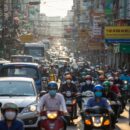
Bangkok, the heart of Thailand’s tourism industry, is experiencing more than just the usual bustle of its crowded streets and markets. The capital city is grappling with political unrest that has created immense challenges for both locals and tourists. Protests across the city at key locations such as Victory Monument, Democracy Monument, and Ratchaprasong are not just a matter of public discourse—they are disrupting everyday life, creating massive traffic jams, and causing delays for travelers trying to navigate the city. The streets have become battlegrounds where demonstrators and security forces clash, creating an atmosphere of fear and uncertainty.
For tourists, this has meant long waits in gridlocked traffic, difficulty reaching tourist destinations, and increased anxiety about safety. The Thai government has been forced to increase security, with visible military presence, bomb-sniffing dogs, and police checkpoints throughout the city. The once vibrant energy of Bangkok’s streets is now tainted by the tension of political protests, making it a less inviting destination for tourists.
In addition to the political unrest, Bangkok is facing the growing threat of terrorism. Small bombs have been found and defused in tourist-heavy areas such as Phuket, Krabi, and Phang Nga, while Bangkok, Koh Samui, and other major cities are on high alert. Visitors now walk past security checkpoints at shopping malls and temples, and they are often asked to have their bags scanned before entering venues. These heightened security measures are a constant reminder of the ever-present threat of violence in what was once considered a safe haven for tourists. The spectre of terrorism now casts a dark cloud over the tourism experience, turning what should be a carefree holiday into a nerve-wracking ordeal.
Advertisement
Advertisement
Tourism businesses are suffering significant financial losses as cancellations rise. Travelers now hesitate to book trips to Bangkok, aware that they may be caught in the midst of political protests or even terrorist attacks. As these concerns grow, the city’s tourism industry faces an uphill battle to maintain its appeal to global visitors.
Chiang Mai, once renowned for its peaceful atmosphere, ancient temples, and beautiful landscapes, is facing a significant environmental crisis. The city suffers annually from the effects of air pollution, primarily caused by the burning of fields and forest fires in the surrounding areas. This pollution has reached dangerous levels, particularly in early 2026, when the air quality in Chiang Mai became critically hazardous, with levels of PM2.5 reaching alarming heights.
Advertisement
Advertisement
Government advisories have warned visitors to avoid the city during the peak haze season, especially those with respiratory issues, children, and the elderly. Tourists are being urged to wear masks, and the air quality monitors display “red alerts” as the pollution worsens. Many travelers who had planned to visit the northern capital for its temples, festivals, and natural surroundings have canceled their trips due to the hazardous air quality. The haze not only makes it difficult to appreciate the beauty of the city but also forces many travelers to rethink their travel plans altogether.
The Chiang Mai situation has escalated into a serious public health issue, with air purifiers and “dust-free” rooms in high demand. Local businesses have reported a sharp decline in tourist arrivals, and the once-thriving tourism industry in the region is now struggling to recover. Despite government efforts to address the issue, including restrictions on agricultural burning, the problem persists, causing long-term damage to the city’s tourism appeal.
Advertisement
Advertisement
The air pollution crisis is compounded by a lack of clear communication about air quality levels. Visitors to Chiang Mai are often unaware of how dangerous the air can be until they are already in the city. This confusion leads to frustration and an inability to fully enjoy the experience of visiting the city’s ancient temples, beautiful parks, and vibrant markets.

Image generated with Ai
Phuket and Koh Samui, two of Thailand’s most famous island destinations, are facing the combined problems of overcrowding, insufficient safety regulations, and deteriorating infrastructure. Once seen as idyllic retreats offering pristine beaches and crystal-clear waters, both islands are now overwhelmed by the sheer number of tourists arriving each year. Phuket’s beaches, in particular, have become overcrowded, with visitors struggling to find space on the sand and local businesses unable to keep up with the demand for goods and services.
The infrastructure on these islands has also been pushed to its limits, resulting in traffic congestion, long waits, and difficulty navigating the narrow roads that lead to popular tourist sites. The authorities have attempted to manage the inflow of tourists by restricting beach access during peak hours, but these measures have been largely ineffective, and many visitors still find themselves packed together in uncomfortable conditions.
Koh Samui, another popular island destination, is also facing similar issues. The island has become overcrowded, with the number of visitors far exceeding the capacity of the local infrastructure. In addition to overcrowding, Koh Samui faces significant safety concerns related to sea travel. Overcrowded ferries and poorly maintained tourist boats have been involved in several tragic accidents in recent years. In 2018, a diving boat sank off the coast of Phuket, killing dozens of passengers. Despite repeated safety campaigns urging tourists to use reputable operators and wear life jackets, many visitors continue to ignore these guidelines, resulting in accidents and fatalities.
The safety concerns surrounding Koh Samui have created an environment of uncertainty for tourists. The lack of enforcement of safety regulations, combined with overcrowded transportation, has made sea travel to the island increasingly risky. Tourists now question whether it is worth the risk to visit Koh Samui, and some are turning to alternative destinations in search of safety and tranquility.
Thailand has always been vulnerable to natural disasters, and in 2025, the country was struck by severe flooding that caused significant damage in several regions. In November 2025, Hat Yai district in Songkhla experienced heavy rainfall, exceeding 600mm in just a few days. This caused roads to flood, with water levels rising up to 2.5 meters in some areas. The flooding stranded tourists in their hotels, forcing emergency evacuations and rescues by boat. Although airports in the region remained operational, the surrounding areas were submerged, making it impossible for tourists to move freely.
This extreme weather event is just one example of the growing impact of natural disasters on Thailand’s tourism sector. Storms and flooding have become more frequent, with each new event causing significant disruption to travel plans. The uncertainty surrounding the weather has left many tourists anxious about their safety, particularly as they rely on weather apps to track real-time conditions. As more storms and extreme weather events hit Thailand, the tourism industry is struggling to adapt to the new normal of natural disasters.
For tourists, these disasters have turned Thailand’s idyllic landscapes into hazardous terrain. While some travelers are still able to enjoy their visits without issue, others are faced with the challenges of floods, road closures, and emergency evacuations. As the country’s infrastructure is tested time and again by these weather events, the tourism experience in Thailand becomes increasingly unpredictable.
Further compounding the challenges faced by Thailand’s tourism sector is the ongoing violence in the southern provinces. The insurgency in Yala, Pattani, and Narathiwat has been escalating, with bombings and shootings continuing to target security forces. The U.S. Embassy issued security alerts advising citizens to avoid travel to these regions, as the violence remains unpredictable.
In late 2025, rockets and artillery fire erupted along the Thailand-Cambodia border, and the Thai government had to issue evacuation orders. Although a ceasefire was declared in early 2026, the situation remains unpredictable, causing tourists in other areas like Bangkok and Chiang Mai to worry about the potential spread of violence. The uncertainty surrounding these border conflicts and the threat of violence have added another layer of chaos to an already tense tourism environment.
While the majority of tourists in Thailand are far from the violence, the fear of instability looms large. Visitors to Bangkok and Chiang Mai are increasingly concerned about the potential for conflict to escalate. The shadow of violence in southern Thailand has led to cancellations, with some tour operators halting trips to border regions and historical sites due to security concerns.

Image generated with Ai
Thailand’s reputation as a safe destination for tourists is being increasingly undermined by scams and petty crime. Visitors are regularly targeted by pickpockets in crowded markets and on buses. In some cases, rental scams have ensnared unsuspecting visitors, with motorbike and jet-ski operators demanding hefty fines for fictitious damages. Bars and nightclubs in tourist areas have been known to add exorbitant charges to patrons’ bills, and some taxi drivers refuse to use meters, taking advantage of foreign visitors by overcharging them.
These criminal activities have eroded the trust that tourists once placed in Thailand. Visitors no longer feel confident in their safety, and the fear of being scammed hangs over every transaction. As the number of fraudulent activities increases, tourists are becoming more wary and hesitant to engage with the local services that were once a hallmark of Thailand’s tourism charm.
With such rampant scams and thefts taking place, the tourism sector’s integrity has been called into question. Although the Thai government has taken steps to crack down on these activities, the lack of enforcement in some areas has made it difficult to restore trust among international visitors.
Advertisement


















Tuesday, February 24, 2026

Tuesday, February 24, 2026

Tuesday, February 24, 2026

Tuesday, February 24, 2026
Tuesday, February 24, 2026

Tuesday, February 24, 2026