Published on March 1, 2026

Image generated with Ai
For many travellers travelling the vast highways of the Great Plains, Kansas has traditionally been regarded as a transitional landscape. However, a significant shift in narrative is taking place from the heart of south-central Kansas. While the luminous silhouette of the Kansas Star Casino is frequently the primary visual landmark for passing motorists, the true essence of the region can be found further down the road. Recent initiatives spearheaded by regional advocates indicate that the state’s travel industry is undergoing a significant transformation, shifting towards a model that values local authenticity and rural charm over mere roadside convenience.
The Travel Industry Association of Kansas (TIAK) recently held an assembly at the Statehouse in Topeka to emphasise the strategic importance of small-town visibility. Destination Statehouse served as a forum for legislative updates and the development of long-term growth plans. It was emphasised that the state’s economic vitality is inextricably linked with its ability to attract and retain visitors. With an estimated $14 billion generated annually from tourism, the Sunflower State’s fiscal health is becoming increasingly dependent on the success of its smaller municipalities.
During the legislative sessions in Topeka, a clear mandate was established regarding the future of Kansas’s identity. The concept of making the youth “fall in love” with their home state was positioned as a cornerstone for future economic stability. It is believed that by fostering a deep appreciation for local attractions early in life, the “brain drain” often seen in rural areas can be mitigated. Consequently, tourism is no longer viewed merely as a luxury service but as a vital tool for community retention and cultural pride.
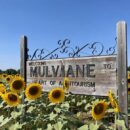
A specific emphasis is currently being placed on two burgeoning sectors: sports tourism and agritourism. These niches are seen as the primary engines for rural revitalization. In Mulvane, these state-level priorities are being mirrored through the promotion of local enterprises. Establishments such as the Pulliam Cattle Company, Treehouse Retreat, and Red Barn Acres are being utilized as primary examples of how traditional agricultural roots can be successfully pivoted into immersive guest experiences. By marketing these sites, the goal is to bridge the gap between urban consumers and the pastoral heritage of the region.
Advertisement
Advertisement
The regional strategy is further bolstered by the statewide Sunflower Summer programme. This initiative is designed to incentivize Kansas families to explore the breadth of their own state during the warmer months. Although the immediate vicinity of Mulvane may not house the highest density of participating museums, the community is positioned to benefit significantly from the “ripple effect” of the programme.
It is observed that when a family is drawn to a specific destination, the surrounding areas often experience a secondary surge in foot traffic. This interconnectedness is a key component of the state’s broader travel philosophy. By encouraging residents to discover the hidden treasures within their own borders, a sense of wonder is cultivated that challenges the “flyover state” stereotype. The success of one attraction is viewed as a victory for the entire corridor, as local commerce—ranging from diners to boutique shops—benefits from the influx of explorers.
Advertisement
Advertisement
While the Kansas Star Casino remains a formidable anchor for regional visitation, a concerted effort is being made to redirect that momentum toward the historic heart of Mulvane. The objective is to convert transient visitors into dedicated patrons of the downtown district. The allure of the casino is acknowledged as a vital economic driver, yet the ultimate vision involves enticing guests to venture just a few miles further into the city’s centre.
The downtown area is characterized by a collection of locally owned restaurants, a curated mercantile, and family-orientated infrastructure. Among these assets, the city’s splash pad is frequently highlighted as a premier destination for travelling families. By showcasing these “hidden” amenities, the community aims to provide a more holistic and personal experience than what can be found in larger, more commercialized hubs. The focus is on the “minutes away” convenience that allows a simple stop to evolve into a full-day excursion.
Advertisement
Advertisement
The recent discussions in Topeka have reinforced the idea that small towns are the backbone of Kansas’ tourism strategy. There is a palpable sense that the state government is heavily invested in agritourism and smaller communities’ unique narratives. The traditional image of Kansas as a monotonous stretch of land is being actively dismantled in favour of a thriving, experience-based economy.
Mulvane is establishing itself as a leader in the new Kansas travel era by creating these unique experiences. The collaboration of local chambers and state legislators ensures that the community’s light shines as brightly as the highway’s neon signs. As the state prepares for possible budget cuts, the emphasis remains on high-impact, authentic interactions that leave an indelible impression on visitors. The message is clear: the journey does not end at the highway exit; rather, it is here that the true Kansas experience begins.
Advertisement














Sunday, March 1, 2026

Sunday, March 1, 2026
Sunday, March 1, 2026

Sunday, March 1, 2026
Sunday, March 1, 2026

Sunday, March 1, 2026