Published on December 31, 2025
By: Paramita Sarkar
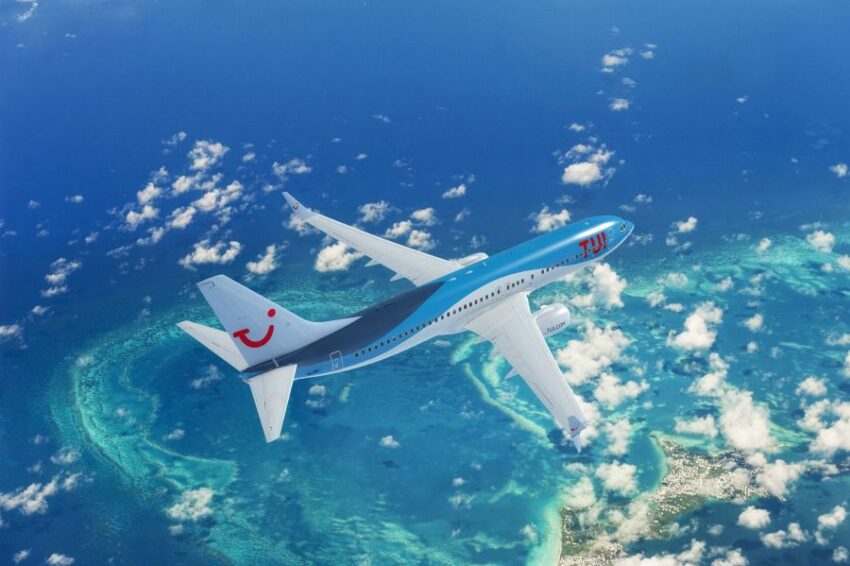
In 2025, TUI, along with global aviation giants Jet2, Delta Air Lines, Vietjet, and the Lufthansa Group, has made significant strides in sustainability, revolutionizing how tourism and aviation intersect in an eco-friendly world. These companies are setting ambitious goals, from reducing their environmental footprint to pioneering Sustainable Aviation Fuel (SAF) adoption, next-generation aircraft, and radical operational efficiencies. With sustainability in aviation now a pressing priority, these companies are contributing to a shift that could forever change the tourism and aviation sectors.

Sustainability has become a fundamental principle in tourism and aviation, industries known for their carbon footprint. As global environmental awareness grows, companies like TUI and global airlines such as Jet2, Delta, Vietjet, and Lufthansa have worked tirelessly to reduce emissions, conserve resources, and foster positive social and economic development worldwide. These actions aim to meet the United Nations Sustainable Development Goals and ensure that tourism and aviation remain forces for good.
These achievements come at a pivotal moment in the global sustainability transition. Reports from AirlineRatings.com, Fast Company, and other bodies show that aviation is making critical strides in the transition to sustainable energy, pushing beyond early-stage pilot projects and into full-fledged implementation of green technologies. The actions taken by companies like Jet2, Delta, and others mark a tangible shift in the aviation industry toward a greener future.
TUI, as a leading tourism operator, continues to invest in initiatives that reduce the environmental impact of its operations. The company’s sustainability goals in 2025 include:
In 2025, Jet2.com emerged as a global sustainability leader, winning the “Package Holiday/Leisure Airline” award at the AirlineRatings.com 2025 Sustainability Awards for its work in aircraft efficiency, environmentally responsible operations, and eco-friendly resort initiatives. Key actions taken by Jet2 in 2025 include:
Key Achievement Details Fleet Modernization Ordered 155 Airbus A321neo aircraft, cutting CO2 by 20% and noise by 50%. Aerodynamic Upgrades Completed the installation of split-scimitar winglets on 60 Boeing 737-800NG aircraft, cutting fuel use by 1.8%. Sustainable Hotels Introduced a “Certified Sustainable Hotels” collection, promoting green hotels globally. Solar Infrastructure Launched solar PV systems at Manchester hangar, generating 147,400+ kWh annually.
Delta Air Lines reached remarkable sustainability achievements in 2025, focusing on operational efficiency and sustainable aviation fuel (SAF) usage. Highlights include:
Advertisement
| Key Achievement | Details |
|---|---|
| Fuel Efficiency | Surpassed its 2025 target by saving 55 million gallons of jet fuel in Q1 2025. |
| SAF Usage | Increased SAF usage by 50% year-on-year compared to 2024. |
| Revolutionary Aircraft Tech | Partnered with JetZero to develop blended wing-body aircraft, and began fello’fly testing with Airbus. |
| Circular Economy | Switched to paper cups and wooden cutlery across all global routes. |
Vietjet has taken significant steps in sustainability in the Asia-Pacific region, earning recognition as a 2025 Sustainability Award winner. Key achievements include:
Key Achievement Details Fleet Efficiency Operates one of the world’s youngest fleets, mainly Airbus A321neo, and placed an order for 40 A330neo aircraft in 2025, which reduce CO2 emissions by 25%. Locally Blended SAF Became the first airline in Vietnam to use locally blended SAF through a partnership with Petrolimex Aviation.
The Lufthansa Group focused on cutting-edge technological solutions to reduce carbon emissions in 2025. Among their major initiatives:
Key Achievement Details OPS Sustainability Program Expanded the “OPS Sustainability” program, using AI for optimized taxiing and precise flight planning. AeroSHARK Technology Rolled out AeroSHARK technology across its fleet, which reduces drag and saves kerosene. Lufthansa Cargo Achieved 52% reduction in emissions intensity compared to 25 years ago, targeting 100% CO2-neutral ground processes by 2030.
Sustainable Aviation Fuel (SAF) continues to be a major area of focus for global airlines in 2025. However, the global supply of SAF still lags behind demand, with some airlines making significant strides despite challenges.
| Airline | SAF Usage Milestone |
|---|---|
| Jet2 | Ordered 155 Airbus A321neo aircraft, significantly reducing fuel consumption. |
| Delta Air Lines | Increased SAF usage by 50% year-on-year, exceeding its 2024 goals. |
| United Airlines | Expanded SAF usage to permanent supply agreements at major hubs like Houston and New York/Newark. |
| Lufthansa Group | Implemented an environmental surcharge on tickets to help offset SAF production costs. |
| Vietjet | Became the first airline in Vietnam to use locally blended SAF. |
Despite the positive trends in SAF adoption, the aviation industry is still grappling with several challenges:
However, Airbus’s “ZEROe” hydrogen aircraft program is seen as the future, as it moves towards fuel-cell technology to replace traditional combustion methods by 2040. Despite a 10-year delay in the entry into service timeline, the company’s success in hydrogen-powered aircraft testing brings hope for a sustainable future in aviation.
The 2025 sustainability milestones achieved by TUI and major airlines like Jet2, Delta, Vietjet, and Lufthansa signal a promising future for the aviation and tourism industries. These companies are leading the way with innovative sustainability solutions, including SAF adoption, fleet modernization, and operational efficiencies. However, challenges remain, particularly with the supply of SAF and the infrastructure needed for hydrogen-powered aircraft.
As the aviation and tourism sectors continue to innovate, these airlines’ progress provides hope for a greener, more sustainable future, where aviation and tourism can thrive while significantly reducing environmental impacts.
Advertisement
Tags: airlines 2025 sustainability, Delta carbon reduction 2025, Jet2 sustainability awards, Lufthansa eco-friendly 2025, sustainable aviation fuel SAF









Wednesday, December 31, 2025

Wednesday, December 31, 2025

Wednesday, December 31, 2025

Wednesday, December 31, 2025

Wednesday, December 31, 2025

Wednesday, December 31, 2025