
London in Transit Turmoil, Massive Tube Strike on June 2 and 4 Set to Paralyze Key Underground Lines, Disrupt Commuters and Tourists Across the Capital

Published
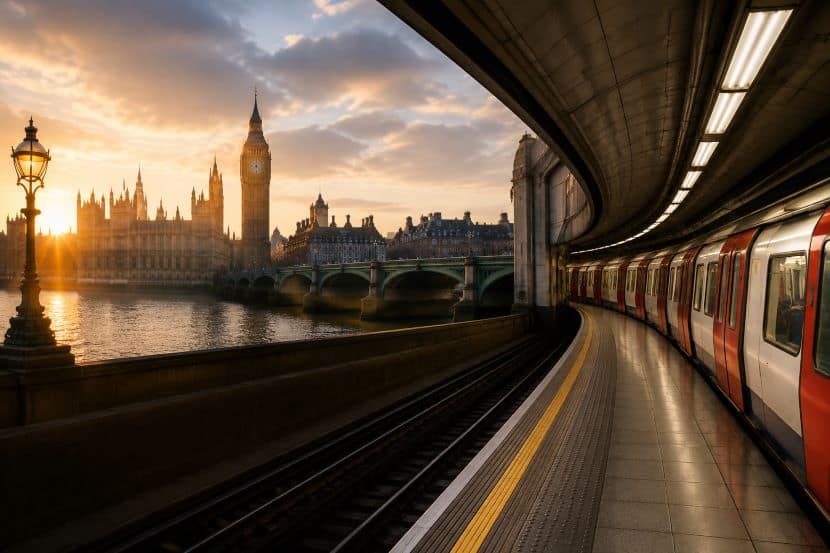
The capital is preparing for substantial travel disruption as Transport for London (TfL) confirms that industrial action by some Tube drivers will take place on Tuesday, 2 June and Thursday, 4 June 2026. The strikes are scheduled to run from 00:01 to 23:59 on both days, affecting large parts of the London Underground network and creating significant challenges for commuters, tourists, and anyone traveling within the city. TfL has advised all passengers to plan journeys carefully and explore alternative transport options to avoid delays.
This industrial action follows ongoing disputes over workforce arrangements on the London Underground. Despite weeks of negotiations, no resolution has been reached, prompting drivers to carry out planned strikes. The authority has issued official guidance warning of major service interruptions and the likelihood of crowding on other public transport modes.
Key Tube Lines to Halt Completely
The strike is expected to cause complete service shutdowns on several major Tube lines. The Circle line and Piccadilly line will see no trains running at any point during the strike. The Metropolitan line, between Baker Street and Aldgate, and the Central line, between White City and Liverpool Street, will also experience a total suspension of service. Passengers using other lines should anticipate reduced train frequency, delayed schedules, and significant crowding throughout the strike days.
Advertisement
Advertisement
TfL emphasizes that even lines not fully closed will operate at limited capacity. Travelers should expect irregular service, longer waiting times, and the possibility of stations becoming congested during peak hours.
Altered Service Hours and Restricted Travel Windows
Advertisement
Advertisement
In addition to line closures, services on operational lines will start later in the morning and finish earlier in the evening. Limited service will be available before 06:30, and TfL advises that all journeys be completed by 21:00 on both strike days to avoid being stranded. This compressed service window is likely to affect commuters traveling to early-morning shifts, airports, or long-distance train stations, requiring careful planning to avoid missed connections or delays.
During these periods, major interchange stations such as King’s Cross, Oxford Circus, Liverpool Street, and Baker Street are expected to see unusually high foot traffic. Passengers are encouraged to allow extra time for their journeys and to anticipate crowded platforms, longer queues, and extended boarding times.
Alternative TfL Services Will Face High Demand
While the Tube will experience major disruption, other Transport for London services are expected to operate as usual. These include the Elizabeth line, Docklands Light Railway (DLR), London Overground, buses, and trams. However, these services are anticipated to become significantly busier than usual as commuters and visitors seek alternatives to the affected Underground lines.
Passengers using these alternatives should plan for extended travel times and potential delays. It may also be necessary to adjust routes, travel earlier or later than usual, or combine modes of transport, such as walking to nearby bus routes or Overground stations, to complete journeys efficiently.
Travel Planning and Safety Recommendations
Advertisement
Advertisement
Transport authorities strongly recommend that travelers monitor official service updates ahead of and during the strike. Journey planning tools can help identify alternative routes, check live service status, and receive notifications about disruptions. Passengers should avoid assuming normal service schedules, especially during peak hours, and should be prepared for unpredictable delays or cancellations.
For tourists visiting London during these dates, flexibility is essential. Many attractions, museums, and landmarks are accessible via multiple transport options, but travel times are likely to increase significantly. Scheduling visits outside peak hours, using buses or Overground services, and leaving extra time for connections can help mitigate the impact of the strikes.
Impact on Commuters and Long-Distance Travelers
Commuters relying on the Underground for daily travel will need to adapt quickly. The strike coincides with busy weekday schedules, which may lead to congestion not only on operational Tube lines but also across road networks and bus services. Travelers heading to train stations or airports should factor in additional travel time and consider starting journeys earlier than usual to avoid missed departures.
Long-distance and international travelers connecting through London’s major hubs may face compounded delays. Although other modes of transport remain operational, stations are expected to experience heavy passenger loads, requiring careful navigation to ensure connections are maintained.
Context and Broader Implications
Advertisement
Advertisement
These planned strikes are part of a broader pattern of industrial action affecting London’s transport system throughout spring 2026. Previous strike dates earlier in the year were postponed or canceled following negotiations, but the early June dates are currently confirmed. The ongoing disputes reflect broader challenges in balancing workforce conditions with operational efficiency on one of the busiest transit networks in Europe.
The disruptions highlight the importance of proactive travel planning for Londoners, commuters, and tourists alike. With Tube services reduced or halted, the reliance on buses, trams, and rail alternatives will increase sharply. Travelers are encouraged to remain flexible, plan routes in advance, and allow significant buffer times to account for congestion.
Final Advice for Passengers
Londoners and visitors must take the strikes into account when planning travel on 2 June and 4 June 2026. Key steps include checking service status before leaving, exploring alternative transport modes, and allowing extra time for journeys. Those relying on the Circle, Piccadilly, Metropolitan, or Central lines should consider alternative routes, such as Overground services or buses, or reschedule travel if possible.
By staying informed and planning strategically, passengers can navigate the disruption more effectively, reducing the risk of delays and overcrowding. The upcoming Tube strikes are set to reshape travel patterns across London for these two days, making awareness and preparation essential for anyone moving across the capital.
Advertisement
