

Delhi and Vancouver Air India Flight Turns Back Due to Aircraft Deployment Error: What You Need to Know

Updated
Published
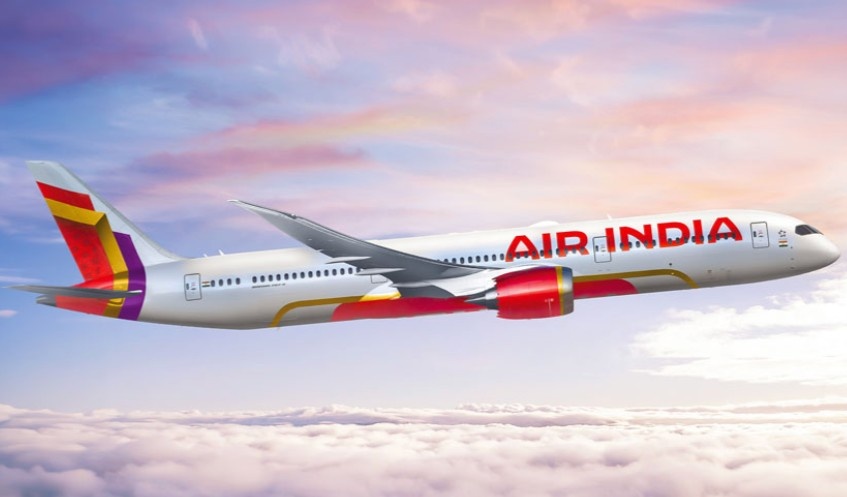
Air India‘s Flight AI185 from Delhi to Vancouver executed an unexpected return to India after over seven hours airborne, triggered by deployment of an unauthorized Boeing 777-200LR aircraft lacking Canada operational clearance. Only Boeing 777-300ER models hold approval for this India-Canada corridor, rendering the mission non-compliant mid-flight near Chinese airspace. This operational lapse reverberates through tourism ecosystems linking Delhi‘s bustling markets to Vancouver‘s coastal splendor, prompting passengers to reassess transcontinental plans and straining bilateral tourism confidence.
Regulatory Breach Exposes Tourism Vulnerabilities
Air India identified the aircraft mismatch during the Delhi-Vancouver journey, compelling a precautionary U-turn that extended travel time significantly. Transport Canada mandates strict ETOPS certifications for North Atlantic crossings, which the substituted plane failed to meet. Vancouver tourism, reliant on seamless Indian inflows for ski resorts and urban explorations, faces immediate booking hesitancy as news spreads.
Delhi‘s Indira Gandhi International Airport manages the safe landing, but the episode underscores aviation oversight gaps impacting tourism reliability. Canada‘s tourism board anticipates short-term dips in Asian visitor numbers to Stanley Park and Grouse Mountain.
Passenger Disruptions Ripple Through Tourism
Affected travelers endured prolonged uncertainty, with Air India arranging accommodations and a rescheduled departure using compliant equipment. This flight to nowhere narrative erodes trust in long-haul India-Canada tourism, particularly among families and business groups targeting Vancouver‘s film festivals and Delhi‘s Diwali celebrations. Hospitality sectors in both destinations brace for cancellations, as alternate routings inflate costs.
Advertisement
Advertisement
Vancouver International Airport maintains readiness for rerouted flights, yet tourism operators report inquiries spiking over reliability. Delhi tourism sustains domestic diversions, channeling energy to Taj Mahal extensions.
Aircraft Authorization Drives Tourism Stability
Boeing 777-300ER exclusivity stems from rigorous Transport Canada validations for range and safety over remote oceanic paths. The 777-200LR‘s deployment reflects scheduling oversights, halting Vancouver arrivals and disrupting cruise connections to Alaska. India-Canada tourism suffers as premium routes falter, pushing leisure seekers toward competitors and affecting Vancouver‘s convention traffic.
Advertisement
Advertisement
Delhi emerges resilient, leveraging its tourism depth in spiritual circuits to offset outbound slumps. Government aviation advisories reinforce compliance, safeguarding future tourism flows.
Operational Lapses Challenge Tourism Recovery
Air India‘s response includes alternative flights, yet the incident amplifies scrutiny on fleet management amid India‘s aviation expansion. Vancouver tourism projections adjust downward, with hotels near Granville Island facing vacancy risks from Indian diaspora plans. Delhi‘s outbound tourism momentarily pivots to Southeast Asia, testing bilateral pacts.
Advertisement
Advertisement
Canada emphasizes passenger rights through Air Passenger Protection Regulations, bolstering compensation frameworks that indirectly support tourism redress. India‘s Directorate General of Civil Aviation monitors repercussions, prioritizing route integrity.
Bilateral Tourism Faces Confidence Test
India-Canada air links underpin vibrant tourism exchanges, from Vancouver‘s totem poles to Delhi‘s street food odysseys. This mishap invites regulatory dialogues, potentially tightening approvals and delaying capacity growth. Vancouver‘s tourism authority promotes contingency packages, mitigating fallout through bundled fjord tours and city passes.
Delhi tourism leverages proximity to Agra, sustaining momentum while Air India rebuilds credibility. Enhanced tracking systems promise fewer disruptions ahead.
Economic Ripples Hit Tourism Sectors
Flight AI185‘s reversal translates to millions in deferred tourism revenue, impacting Vancouver‘s retail and Delhi‘s aviation-adjacent services. Airlines absorb re-accommodation costs, straining resources needed for tourism-focused marketing. Canada‘s tourism GDP, buoyed by Asian markets, weathers the storm via diversified sources.
Advertisement
Advertisement
India government initiatives accelerate digital booking recoveries, ensuring Delhi-Vancouver allure endures. Vancouver hotels offer flexible policies, nurturing loyalty.
Safety Protocols Underline Tourism Priority
Mid-air corrections prioritize lives over schedules, with Air India‘s crew executing flawless returns. Transport Canada‘s oversight framework prevents escalations, preserving India-Canada tourism infrastructure. Vancouver‘s marine gateways remain primed for compliant arrivals, supporting whale-watching peaks.
Delhi‘s tourism vibrancy shines through adversity, with Qutub Minar visits filling voids. Stringent pre-flight audits emerge as tourism safeguards.
Future Routes Bolster Tourism Resilience
Air India commits to Boeing 777-300ER exclusivity, fortifying Delhi-Vancouver reliability for summer surges. Vancouver tourism rebounds via promotional campaigns highlighting Capilano Suspension Bridge. India‘s tourism ministry eyes expanded slots, countering single-incident narratives.
Canada fosters aviation partnerships, ensuring tourism gateways like Vancouver thrive. Technological integrations minimize human errors going forward.
Image Credit: Air India Ltd.
Advertisement
