
Hundreds of Travelers Affected Around Middle East as 1,307 Delays and 71 Cancellations Hit Tehran, Bahrain and Other Airports

Updated
Published
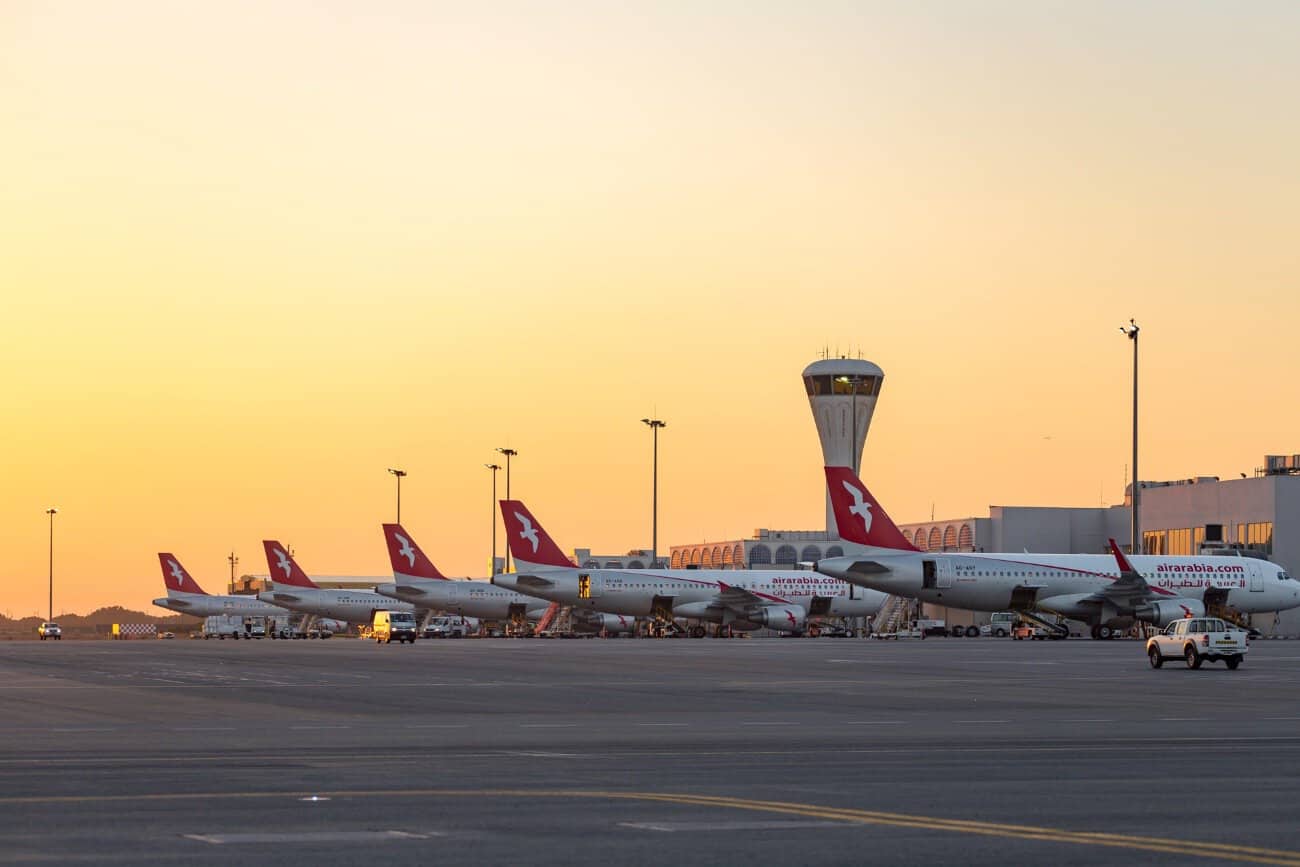
As 1,307 delays and 71 cancellations impair airline operations across major aviation hubs, including Tehran, Bahrain, and others in the area, Middle Eastern airports are under increasing travel pressure. However, operational difficulties, airport pressures, and airline schedule changes that affect customer travel are all connected to the interruptions. Airlines handled cancellations on several routes, and major airports in Saudi Arabia, the United Arab Emirates, Israel, Turkey, Egypt, Iran, and Bahrain reported delays. Travelers thus encountered uncertainty at key regional gates, extended wait times, and changed schedules. The most recent disruption statistics demonstrate how crucial it is to keep an eye on flight updates while Middle Eastern airports strive to keep travel operations running smoothly.
Which Middle East Airports Recorded the Highest Flight Disruptions Today?
The largest operational impact was recorded at King Abdulaziz International Airport in Jeddah, Saudi Arabia, which reported 268 delays and 9 cancellations. The airport, one of the region’s most important gateways for international and religious travel, experienced the highest number of delays among all listed airports.
Ben Gurion International Airport in Israel followed with 213 delays and 3 cancellations, while Istanbul Airport in Türkiye recorded 174 delays and 5 cancellations. Istanbul serves as a major connecting hub between Europe, Asia and the Middle East, meaning delays at the airport can affect international transit passengers.
Cairo International Airport in Egypt reported 170 delays and 3 cancellations, highlighting disruption at one of North Africa’s busiest aviation centres. Meanwhile, King Khalid International Airport in Riyadh, Saudi Arabia, recorded 168 delays and 15 cancellations, making it the airport with the highest number of cancellations in the provided data.
Advertisement
Advertisement
Other airports affected included:
| Airport | Country | Delays | Cancellations |
|---|---|---|---|
| King Abdulaziz International Airport | Saudi Arabia | 268 | 9 |
| Ben Gurion International Airport | Israel | 213 | 3 |
| Istanbul Airport | Türkiye | 174 | 5 |
| Cairo International Airport | Egypt | 170 | 3 |
| King Khalid International Airport | Saudi Arabia | 168 | 15 |
| Dubai International Airport | UAE | 139 | 11 |
| Sharjah International Airport | UAE | 63 | 2 |
| Abha Regional Airport | Saudi Arabia | 43 | 10 |
| Queen Alia International Airport | Jordan | 42 | 1 |
| Bahrain International Airport | Bahrain | 22 | 1 |
| Imam Khomeini International Airport | Iran | 5 | 4 |
| Najran Domestic Airport | Saudi Arabia | 0 | 4 |
| Gizan Regional Airport | Saudi Arabia | 0 | 3 |
How Are Middle East Cities and Countries Being Affected by the Airport Disruptions?
The disruption pattern shows that aviation pressure is concentrated around major Middle East travel hubs. Saudi Arabia recorded some of the strongest impacts, particularly in Jeddah and Riyadh, where airports reported a combined 436 delays and 24 cancellations. These airports serve international travellers, domestic passengers and major religious tourism traffic.
Advertisement
Advertisement
The United Arab Emirates also experienced operational pressure. Dubai International Airport recorded 139 delays and 11 cancellations, while Sharjah International Airport recorded 63 delays and 2 cancellations. Dubai’s position as a global connecting hub means even short operational delays can affect passengers travelling between Asia, Europe, Africa and the Americas.
Türkiye’s Istanbul Airport recorded 174 delays and 5 cancellations, reflecting pressure on one of the world’s busiest international transfer points. Egypt’s Cairo International Airport reported 170 delays and 3 cancellations, affecting connections across Africa, Europe and the Middle East.
Advertisement
Advertisement
Israel’s Ben Gurion International Airport recorded 213 delays and 3 cancellations, creating additional challenges for passengers travelling through Tel Aviv. Jordan, Bahrain and Iran also reported disruptions, although at lower levels compared with the region’s largest hubs.
Which Airlines Were Most Affected by Middle East Flight Disruptions?
Airline disruption data shows that both regional and international carriers experienced delays and cancellations.
Saudia recorded the highest number of affected flights among listed airlines, with 20 cancellations (3%) and 173 delays (31%). As Saudi Arabia’s national carrier, operational changes can influence domestic and international routes across the region.
Flynas recorded 94 delays with a 33% delay rate, while Air Arabia recorded 55 delays with a 24% delay rate. Low-cost carriers often operate tightly scheduled networks, meaning aircraft rotation issues can quickly affect later flights.
Advertisement
Advertisement
Emirates reported 57 delays (10%) and 1 cancellation, while flydubai recorded 41 delays (14%) and 2 cancellations. Dubai-based airlines play a major role in connecting passengers globally, making operational stability important for regional connectivity.
The airline disruption breakdown includes:
| Airline | Cancelled Flights | Cancellation Rate | Delayed Flights | Delay Rate |
|---|---|---|---|---|
| Saudia | 20 | 3% | 173 | 31% |
| Mahan Air | 4 | 12% | 3 | 9% |
| Flynas | 2 | 0% | 94 | 33% |
| Air Arabia | 2 | 0% | 55 | 24% |
| FlyDubai | 2 | 0% | 41 | 14% |
| Royal Jordanian | 2 | 1% | 21 | 14% |
| Fly Cham | 2 | 25% | 4 | 50% |
| Emirates | 1 | 0% | 57 | 10% |
| Israir | 1 | 1% | 38 | 40% |
| Gulf Air | 1 | 0% | 12 | 8% |
| Yemenia, Yemen Airways | 1 | 8% | 11 | 91% |
Airlines operating in the region have previously adjusted schedules and monitored routes due to changing regional conditions and operational requirements.
What Can Affected Passengers Do Now?
Passengers affected by Middle East flight disruptions should take several immediate steps to reduce inconvenience:
Check Flight Status Before Travelling
Travellers should confirm their latest flight status directly with their airline before heading to the airport. Departure times can change quickly when airports experience operational pressure.
Arrive Early at Airports
Passengers travelling through busy hubs including Dubai, Jeddah, Riyadh, Istanbul and Cairo should allow additional time for check-in, security procedures and possible schedule adjustments.
Advertisement
Advertisement
Contact Airlines for Rebooking Options
Passengers facing cancellations should contact airlines regarding available alternatives, including rebooking, refunds or travel credits depending on airline policies.
Monitor Connecting Flight Risks
Travellers with connecting flights should check whether delays at their departure airport could affect onward journeys, especially when travelling through major transfer hubs.
Keep Travel Documents Ready
Passengers should keep booking confirmations, identification documents and airline communication available to speed up assistance processes at airports.
Data Verification Notice
The data has been extensively curated by our editorial team using real-time aviation figures recorded on 15 September 2026 at 5:05 pm ET USA (16 September 2026, 1:06 am GST).
Primary Source: FlightAware.
Verification Protocol: All statistics have been independently reviewed and cross-checked by our human editorial desk. Timestamped records, data logs and feed snapshots are securely archived internally to support historical accuracy and editorial transparency.
Note: Real-time flight-tracking figures reflect active airspace and operational data. Minor variations may occur when compared with information displayed at individual airport terminals or airline departure gates.
Yesterday, Middle East Airports record 70 cancellations and 490 delays, affecting airlines and travel. Click here to read the full report.
Advertisement
Verified by Rana Pratap
