
United Airlines Loyalty War Prompts US Carrier to Introduce Strategic Premium Frequent Flyer Perks

Published
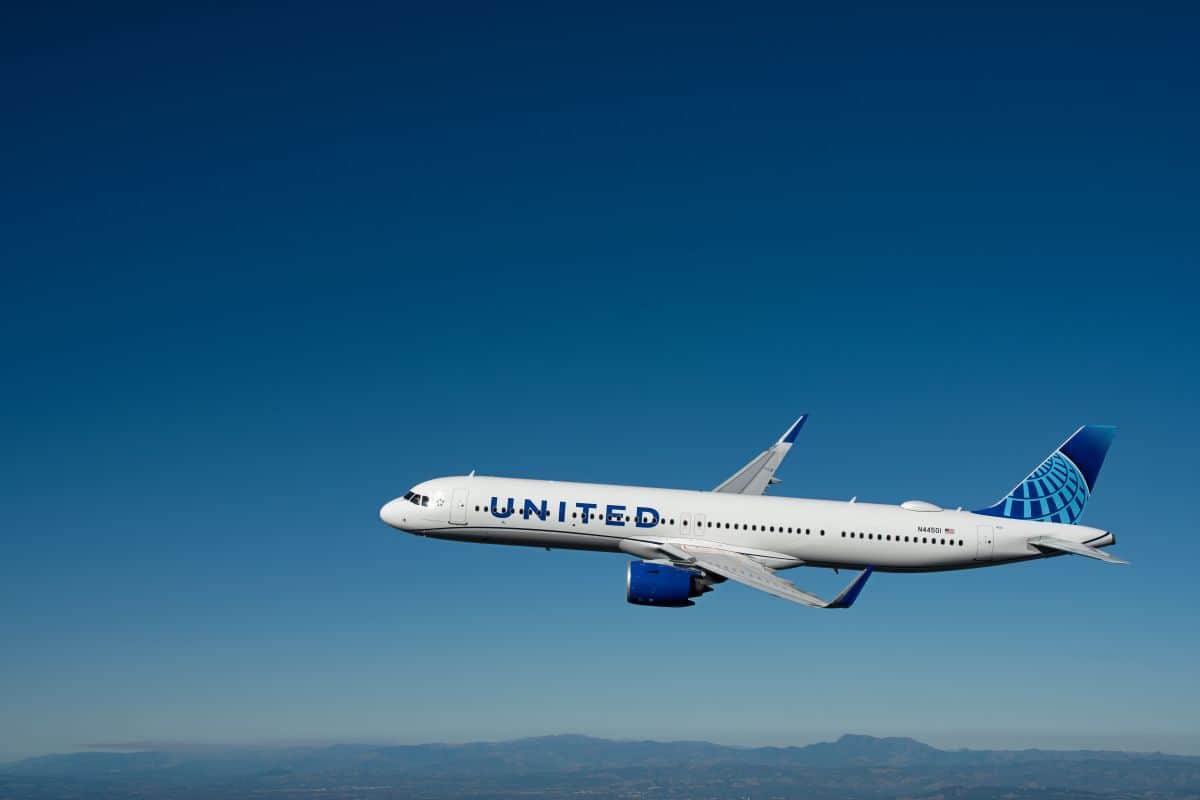
United Airlines has launched an audacious offensive in the ongoing United Airlines loyalty war. The Chicago-based carrier is directly poaching high-value frequent flyers from rivals Delta Air Lines and American Airlines.
They are actively promoting an unprecedented status match campaign for premium business travellers. Elite members receive equivalent mileage tier status instantly for an initial 90-day trial period. Retaining this status through January 2028 requires spending between $1,500 and $7,000 on eligible flights.
This bold strategic campaign reflects fierce competition for high-spending corporate passengers. Major legacy airlines recognise that elite travellers generate the vast majority of passenger yields. Consequently, this decisive campaign shifts the competitive dynamics across the global aviation sector.
Aggressive Tactics In Loyalty Programmes
United Airlines explicitly urges corporate passengers to abandon their preferred legacy carriers immediately. The company initiated an unusually pointed campaign across national media channels and digital platforms. They specifically target premium tier members who currently frequent Delta and American flights.
Advertisement
Advertisement
Atmosphere Research Group closely monitors airline commercial strategy and commercial passenger behaviour. Henry Harteveldt, respected founder and travel industry analyst at Atmosphere Research Group, evaluated this aggressive push. “This is war, airline style. It’s very rare for an airline to be as blatant as United is being,” he stated on 1 October 2026.
Airlines traditionally avoid naming direct competitors in their public marketing campaigns. However, United deliberately cast aside these long-standing conventions to pursue immediate market share gains. Consequently, industry observers anticipate reciprocal marketing retaliations from legacy competitors very soon.
Advertisement
Advertisement
Financial Thresholds For Status Retention
The operational mechanics of this status challenge require substantial financial outlays. Travellers receive matching elite status on United MileagePlus for three consecutive months. However, passengers must complete actual flight activity to secure permanent elite recognition.
Members must book and fly on eligible United mainline or regional express aircraft. Furthermore, they must satisfy strict financial spending thresholds within that 90-day challenge window. Successful participants retain their matched tier benefits through to 31 January 2028.
A Delta Silver Medallion or American Gold member must spend $1,500. Conversely, securing United’s prestigious Premier 1K tier demands an expenditure of $7,000. These strict qualifying benchmarks effectively eliminate casual leisure travellers seeking temporary perks.
| Competitor Elite Status Tier | Matched United MileagePlus Tier | Required 90-Day Financial Spend | Required Flight Activity Minimum | Elite Qualification Validity |
| Delta Silver / American Gold | Premier Silver | $1,500 on eligible flights | One operated flight segment | Valid through January 2028 |
| Delta Gold / American Platinum | Premier Gold | $2,600 on eligible flights | One operated flight segment | Valid through January 2028 |
| Delta Platinum / American Pro | Premier Platinum | $4,000 on eligible flights | One operated flight segment | Valid through January 2028 |
| Delta Diamond / American Exec | Premier 1K | $7,000 on eligible flights | One operated flight segment | Valid through January 2028 |
These financial targets precisely mirror quarterly corporate travel spending among executive travellers. United deliberately engineered these figures to attract active corporate account executives. Consequently, corporate travellers can redirect their existing flight budgets to hit these targets quickly.
High-Speed Satellite Connectivity Battle
In-flight digital connectivity has emerged as a crucial battleground for passenger loyalty. Business travellers routinely demand reliable high-speed broadband internet to maintain workplace productivity aloft. Consequently, United Airlines now promotes its swift deployment of Starlink Wi-Fi from SpaceX.
The carrier is aggressively outfitting its mainline aircraft fleet with this advanced satellite technology. United offers this high-speed service completely free of charge to all MileagePlus loyalty members. In contrast, existing legacy Wi-Fi providers frequently charge passengers at least $8 per flight.
Advertisement
Advertisement
This technological advantage gives corporate sales representatives an exceptional marketing tool. Executives can host uninterrupted video conference calls while flying at 35,000 feet. Therefore, modern in-flight technology heavily influences corporate airline selection alongside flight schedules.
Digital Entertainment Ecosystems Take Flight
Rival carriers refuse to concede the digital passenger experience without mounting substantial resistance. American Airlines recently finalized its own comprehensive deployment contract with Starlink for regional jets. They expect to commence passenger installations across hundreds of narrow-body airframes early next year.
Meanwhile, Delta Air Lines pursued an alternative satellite broadband architecture for its fleet. The Atlanta-based carrier selected Amazon Leo satellite networks to modernise its in-flight entertainment. This massive technological partnership seeks to deliver ultra-low-latency internet to international passenger cabins.
Delta Air Lines officially addressed this major strategic transition on 1 October 2026. “Our long-term strategic partnership with Amazon Leo will provide high-bandwidth connectivity while creating opportunities to bring their broad ecosystem of entertainment and digital services to the skies,” a Delta spokesperson confirmed.
Thus, corporate travellers will benefit directly from this accelerating technological arms race. Reliable airborne connectivity will soon become a universal standard across major commercial carriers. Airlines that fail to modernise their airborne digital infrastructure risk losing valuable corporate accounts.
Evolving Economics Of Frequent Flyer Programmes
Airline loyalty schemes have transformed into immense multi-billion-pound financial operations. Modern carriers generate substantial corporate earnings by selling reward miles directly to major financial institutions. Consequently, loyalty programmes often carry higher standalone valuations than underlying commercial flight operations.
Advertisement
Advertisement
Modern schemes no longer reward passengers solely based on total air miles flown. Instead, contemporary revenue-based programmes strictly reward overall monetary expenditure and ticket yield. This dynamic forms the commercial cornerstone of the broader United Airlines loyalty war.
Legacy carriers actively construct expansive lifestyle ecosystems around their core loyalty currencies. Premium passengers accumulate substantial balances through daily credit card transactions and hotel partnerships. Therefore, stealing an elite passenger diverts continuous transaction revenue away from competing airline ecosystems.
| Major US Airline | Loyalty Programme Name | Estimated Financial Valuation | Primary Banking Co-Brand Partner | Annual Co-Brand Bank Revenue |
| Delta Air Lines | SkyMiles | $31.7 Billion | American Express | $8.2 Billion |
| American Airlines | AAdvantage | $26.7 Billion | Citi Bank | $6.2 Billion |
| United Airlines | MileagePlus | $25.3 Billion | JPMorgan Chase | $3.2 Billion |
These immense financial valuations highlight why legacy carriers defend their frequent flyer rosters. High-spending elite members generate consistent ancillary cash flow for issuing commercial banking partners. Consequently, acquiring an elite flyer delivers recurring financial value far beyond occasional ticket purchases.
Strategic Expansion Across Global Route Networks
Comprehensive route connectivity remains essential for retaining demanding international corporate flyers. Corporate business travellers expect direct flight options connecting major global financial capitals. Consequently, United Airlines continually expands its long-haul international flight schedules from key hubs.
The carrier currently dominates transpacific flight schedules operating out of San Francisco International. However, Delta aggressively challenges this historic dominance through expanded service to major Asian hubs. Both carriers frequently deploy brand-new wide-body aircraft featuring private lie-flat business suites.
Similarly, competition across lucrative transatlantic corridors remains exceptionally intense among legacy operators. Airlines schedule multiple daily departures linking London Heathrow with key American economic centres. Carriers must offer resilient flight networks to convince corporate travel departments to switch loyalty.
Advertisement
Advertisement
Upgrading Premium Airport Lounge Hospitality Experiences
The battle for premium travellers extends far beyond aircraft cabins into airport terminals. Discerning business travellers view dedicated airport lounges as essential sanctuaries for productive work. Therefore, the big three American legacy carriers allocate immense capital to luxurious hospitality lounges.
Delta elevated industry expectations by introducing its bespoke Delta One dedicated lounge portfolio. American Airlines counterbalanced this move through extensive renovations across its Flagship Lounge network. Simultaneously, United expands its globally acclaimed Polaris business lounges across vital transatlantic departure hubs.
These exclusive passenger retreats feature restaurant-quality dining, private workstations, and private shower suites. Elite passengers frequently determine their airline loyalty based solely on departure lounge quality. United’s status campaign guarantees that defecting flyers enjoy uninterrupted access to these refined spaces.
| Airline Brand | Flagship Business Lounge Brand | Complimentary Dining Format | Signature Wellness Amenities | Premium Cabin Access Rules |
| United Airlines | Polaris Lounge | À la carte dining and buffet | Private quiet suites and showers | Long-haul business class ticket |
| Delta Air Lines | Delta One Lounge | Full-service fine dining brasserie | Dedicated wellness spa treatments | Delta One ticketed passengers only |
| American Airlines | Flagship Lounge | Chef-curated buffet and sit-down | Private relaxation rooms | Flagship business and first class |
This hospitality infrastructure delivers a consistent luxury experience throughout the entire customer journey. Business executives value private meeting spaces and quiet environments before long international journeys. Therefore, lavish terminal lounges provide a compelling incentive for executives considering a status change.
Corporate Travel Procurement Decisions And Budgets
Corporate travel management teams meticulously analyse airline loyalty adjustments before negotiating enterprise agreements. Major multinational corporations contract billions in annual corporate flight budgets with preferred legacy carriers. However, senior executive personal preferences heavily influence which preferred carrier receives the booking.
When senior executives secure matched elite status, corporate booking patterns predictably shift. United specifically timed this aggressive campaign to precede annual corporate travel procurement reviews. Corporate account directors hope executive defections will accelerate enterprise contract conversions throughout the coming year.
Advertisement
Advertisement
Travel procurement managers welcome aggressive competition among major domestic and international carriers. Fierce carrier rivalry empowers corporate buyers to negotiate larger enterprise discounts and waiver benefits. Consequently, commercial airlines must offer superior enterprise service packages to retain their corporate accounts.
Co-Branded Credit Card Revenue Ecosystems
Co-branded airline credit cards serve as powerful retention anchors for premium frequent flyers. Banking partnerships provide airlines with steady, high-margin revenue streams that offset cyclical fuel expenses. Furthermore, cardholders demonstrate significantly higher brand loyalty than non-cardholding passenger segments.
Delta commands an immensely profitable, industry-leading consumer credit card arrangement with American Express. American Airlines maintains a deep financial credit card partnership with Citigroup. Meanwhile, United Airlines collaborates extensively with JPMorgan Chase on premium consumer payment products.
When high-spending executives defect to United, they frequently apply for associated MileagePlus credit cards. This transition shifts lucrative swipe fees and annual card fee revenues directly to Chase. Therefore, this status challenge functions simultaneously as an aggressive retail banking customer acquisition mechanism.
Operational Punctuality And Business Passenger Trust
Frequent flyers consistently rank on-time flight performance above almost all supplementary passenger amenities. Corporate executives cannot tolerate missed meetings, delayed departures, or unexpected schedule cancellations. Punctuality fundamentally underpins professional trust between a business traveller and an airline.
Delta historically maintained an industry-leading reputation for superior operational flight completion rates. However, modern automated air traffic management systems and severe weather disruptions have narrowed that advantage. United heavily invested in proprietary predictive flight management software to minimise customer schedule delays.
Advertisement
Advertisement
Furthermore, United restructured ground turnaround procedures at major hub airports to improve aircraft punctuality. The carrier now invites rival frequent flyers to experience this upgraded operational efficiency firsthand. Demonstrating consistent operational reliability represents the only way to retain newly acquired corporate customers permanently.
Evaluating Long Term Value For Elite Travellers
Discerning flyers must objectively weigh the financial commitments required by this status challenge. Matching elite tiers requires directing substantial travel expenditure to a single carrier within 90 days. Travellers must evaluate whether United’s route network aligns seamlessly with their anticipated flight patterns.
Additionally, travellers must assess comparative seating comfort across narrow-body domestic fleets before switching. Premium cabin seat pitch, onboard meal quality, and high-speed Wi-Fi performance vary across carriers. Corporate flyers should carefully calculate if anticipated mileage benefits genuinely justify altering their flight habits.
| Airline Feature | United Airlines | Delta Air Lines | American Airlines |
| High-Speed Satellite Wi-Fi | Starlink deployment underway | Amazon Leo deployment pending | Starlink narrow-body rollout pending |
| Complimentary Wi-Fi Policy | Free for MileagePlus members | Free for SkyMiles members | Free for select loyalty tiers |
| Standard Domestic First Pitch | 37 to 39 inches | 37 to 38 inches | 37 to 38 inches |
| Transcontinental Lie-Flat Seats | Available on select routes | Available on select routes | Available on select routes |
Elite passengers possess immense commercial bargaining power in the current competitive market environment. Major airlines actively fight to secure their long-term loyalty with improved products and generous terms. Savvy corporate flyers can leverage these aggressive promotional battles to maximize their overall travel comfort.
Comparing Historical Airline Status Match Campaigns
Status match promotional campaigns have existed in commercial aviation for several decades. Historically, airlines launched these initiatives discreetly to accommodate corporate accounts displaced by carrier bankruptcies. Marketing teams avoided publicly provoking competitors, preferring quiet, targeted direct-mail marketing methods.
United’s current public campaign fundamentally shatters that traditional, polite industry marketing paradigm. By explicitly naming rival airlines on public platforms, United initiated a direct corporate duel. This aggressive posture illustrates a confident executive leadership team determined to capture lucrative market share.
Advertisement
Advertisement
Moreover, modern status challenges demand much higher verifiable financial spend than historical equivalents. In previous decades, airlines merely required travellers to complete a predetermined number of physical flight segments. Today, financial yield requirements ensure that carriers only reward genuinely lucrative corporate account spenders.
Strategic Advantages For Modern Business Travellers
The intense escalation of the United Airlines loyalty war creates extraordinary opportunities for premium passengers. Commercial carriers are pouring substantial capital investments into fleet modernisations, digital connectivity, and airport hospitality. Corporate travellers are experiencing the direct benefits of this fierce rivalry through superior airborne services.
However, participants must exercise financial discipline when committing to steep 90-day status qualification requirements. Elite travellers should meticulously align their corporate travel itineraries with United’s core route networks. Doing so ensures that the resulting long-term perks fully justify the initial flight investment.
Ultimately, this bold promotional campaign signals an exciting new era of vigorous airline competition. Elite passengers will continue enjoying exceptional market leverage as rival carriers fight for corporate supremacy. The ongoing contest for corporate aviation dominance will permanently elevate the executive travel experience.
Advertisement
