Published on March 3, 2026
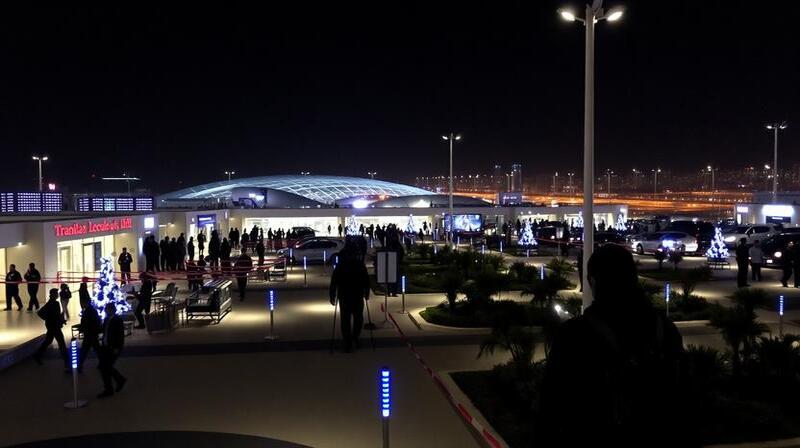
Image generated with Ai
Dubai joins Doha, Muscat, and Jeddah in a major travel disruption as ongoing strikes and airspace closures paralyze the Middle East’s aviation hubs. Thousands of flights have been grounded, leaving travelers stranded due to escalating regional tensions and heightened security concerns.
The recent escalation of strikes on Israel has triggered a massive chain reaction across the Middle East, plunging Gulf hubs into chaos and leaving thousands of tourists stranded, particularly in Dubai. The aviation industry, which had just started recovering from the pandemic, now faces one of its worst crises in recent years as airspace shutdowns cripple major routes.
The latest round of strikes on Israel, followed by retaliatory attacks across the Middle East, has led to the closure or tight restrictions of airspace in the UAE and surrounding countries. As a result, hundreds of flights have been grounded, causing chaos at some of the busiest airports in the world, including Dubai International Airport (DXB), Abu Dhabi International Airport (AUH), and Hamad International Airport (DOH). More than 2,600 flights were canceled across the region in just 48 hours, with the most significant impact felt in Dubai, Abu Dhabi, Doha, Kuwait, and Bahrain.
With missile activity and debris being reported across Gulf airspace, airlines such as Emirates, Etihad Airways, Qatar Airways, and flydubai have been forced to cancel or divert flights. Travelers attempting to fly through these hubs face long delays and uncertainty as airlines await clearer security guidance and updated flight corridors from civil aviation authorities.
Advertisement
Advertisement
Inside Dubai International, confusion and frustration have quickly turned into panic as thousands of travelers are left stranded. The city’s bustling terminals are filled with passengers who had planned to transit through Dubai but are now stuck due to the sudden flight cancellations. Long queues at customer service desks, overburdened airline call centers, and cancelled flights listed on departure boards have made the already chaotic airport even more overwhelming.
Many travelers, who had only intended to stay in Dubai for a brief layover, now find themselves desperately seeking alternative routes. Ground staff are working tirelessly to rebook passengers, but with limited options available and flights subject to change due to ongoing security concerns, many find themselves with no clear path forward.
Advertisement
Advertisement
With Emirates and flydubai canceling most of their departures, other travelers are exploring rerouting options via South Asia, Europe, or North Africa. However, even these alternatives are limited due to the heightened security risks and ongoing airspace closures.
As airlines struggle to accommodate stranded passengers, hotel availability in Dubai has become a significant issue. The city’s hotels, many of which had been preparing for a strong tourist season, now face a surge in demand as travelers scramble to find a place to stay. Local tourism authorities are doing their best to coordinate with hotels and other accommodation providers, but with the sheer number of stranded passengers, options are limited.
Despite the challenges, authorities have emphasized that local services, including transport and emergency services, remain operational. Travelers are advised to stay in contact with their airlines and embassies for the latest updates. However, with the aviation sector facing an unprecedented crisis, it is uncertain how long it will take to restore normalcy to the region.
The timing of this disruption couldn’t be worse. The Middle East’s tourism industry had been experiencing significant growth in recent years, with regional travel spending surpassing pre-pandemic levels. Gulf states, such as the UAE and Qatar, had ambitious plans to become major global tourist hubs. However, the recent wave of cancellations and ongoing airspace closures have brought that momentum to an abrupt halt.
Industry bodies report a dramatic freeze in bookings across key Middle East destinations like Dubai, Doha, Muscat, and Jeddah. Travel agents across Europe and Asia are advising their clients to delay or reroute trips away from the region, while major events, trade fairs, and conferences in the Gulf are now under threat. Many cruise lines are even revising their itineraries, bypassing Gulf ports, while cultural festivals and sporting events are facing a possible decline in attendance due to travel restrictions.
In an effort to contain the situation, Gulf governments and airlines are rolling out emergency measures aimed at supporting stranded passengers. Authorities have coordinated with major airlines to provide hotel rooms, meals, and transport, prioritizing vulnerable travelers, including families, the elderly, and those with medical needs. Foreign ministries, particularly from countries with a large number of nationals in the region, have activated crisis units to help identify the whereabouts of their citizens and assist with repatriation if needed.
Airlines, meanwhile, have implemented flexible rebooking policies and are offering full refunds for passengers whose flights have been affected. However, until airspace restrictions are eased and flight routes are reopened, the full resumption of services remains uncertain.
The outlook for regional travel is uncertain, with no clear timeline for when airspace closures will be lifted or when regular services will resume. Even after airspace reopens, airlines are expected to adopt more cautious flight paths, potentially leading to longer flight times, reduced frequencies, and higher operating costs. This may inevitably lead to higher ticket prices in the long term.
For those currently stranded, the situation remains fluid, and passengers are advised to monitor travel advisories and stay in constant communication with their airlines. Insurance providers have also seen a surge in claims inquiries as travelers seek clarification on coverage for disruptions, extended hotel stays, and missed connections.
Looking ahead, the disruption has raised fresh concerns about the Middle East’s vulnerability to geopolitical shocks. While the region’s tourism industry has shown resilience in the past, rebuilding traveler confidence will take time. Restoring connectivity, ensuring safety, and providing contingency plans for future disruptions will be critical in the coming months.
The ongoing airspace closures and cancellations have highlighted the fragility of the Middle East’s aviation network. With hundreds of flights canceled and thousands of travelers stranded, the region’s tourism industry is feeling the immediate impact. As the situation continues to unfold, authorities and airlines are working around the clock to manage the crisis, but with security concerns still looming, the road to recovery is long and uncertain.
Advertisement


















Tuesday, March 3, 2026

Monday, March 2, 2026

Tuesday, March 3, 2026
Tuesday, March 3, 2026

Tuesday, March 3, 2026

Tuesday, March 3, 2026

Tuesday, March 3, 2026