Published on March 1, 2026
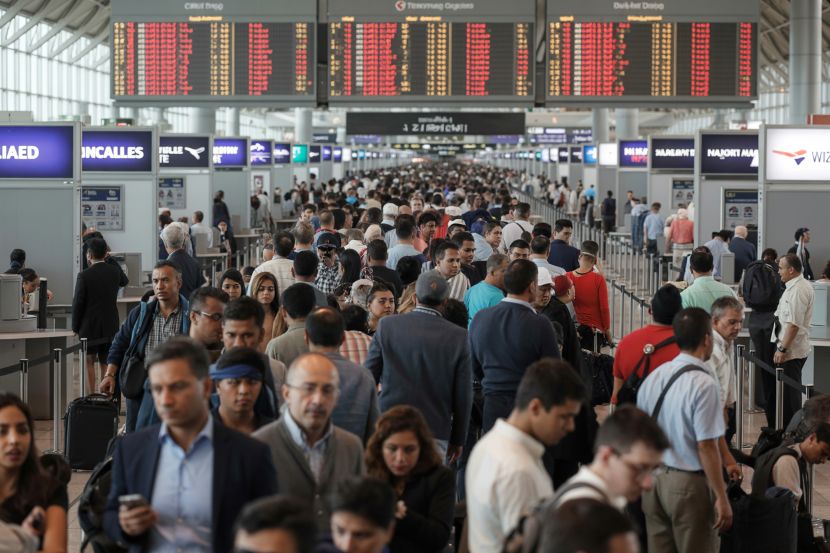
Image generated with Ai
Emirates Airlines and several other international carriers have suspended or diverted flights to and from the Middle East following US and Israeli airstrikes on Iran. The situation escalated rapidly over the weekend as Iran retaliated, launching missile and drone attacks at various locations in Israel, Bahrain, Kuwait, Qatar, and the UAE. As a result, airspace closures and ongoing security concerns have led to the cancellation of hundreds of flights, disrupting travel for thousands of tourists and business travelers in the region.
The UK Foreign Office and various international travel bodies have issued urgent advisories, cautioning against all non-essential travel to affected areas. This travel chaos has already resulted in widespread flight cancellations, including services from British Airways, Virgin Atlantic, and Wizz Air. With airports in the Middle East becoming battlegrounds for conflicting powers, travelers are advised to stay informed and expect delays.
Following the US and Israeli airstrikes on Iran, Emirates was one of the first airlines to announce the suspension of flights. The carrier issued a red alert, temporarily halting operations to and from Dubai International Airport and Al Maktoum International Airport. This suspension is expected to last at least until 3:00 PM UAE time on Sunday, March 1, 2026. In response to the closure of regional airspace, the airline assured passengers that it was closely monitoring the security situation while working with authorities to resume flights as soon as conditions allow.
In addition to Emirates, British Airways canceled flights to Tel Aviv and Bahrain until March 4, while Wizz Air has paused all flights to Israel, Dubai, Abu Dhabi, Amman, and other affected cities. The Swiss International Air Lines group, which includes Swiss, Lufthansa, and Air India, also announced suspensions on flights to Tel Aviv, Beirut, and other key cities.
Advertisement
The suspension of flights and closure of airspace in the Middle East is having a serious impact on both business travelers and tourists. Business travelers are particularly affected, as Dubai has long been a critical hub for meetings, conferences, and trade events in the Middle East. The cancellation of flights has disrupted business schedules, with executives and entrepreneurs scrambling to adjust their travel plans. Many corporate travelers who relied on direct flights are now forced to find alternative routes, which can lead to additional costs and time-consuming detours.
For tourists, the situation is equally frustrating. Dubai, one of the world’s most popular tourist destinations, has been hit hard by the disruption. Travelers planning to visit Dubai for sightseeing, shopping, or leisure activities may face delays or need to reschedule their entire trips. Additionally, tourists heading to Israel, the UAE, and other affected countries now face a high level of uncertainty regarding their return flights or connections.
Advertisement
Advertisement
The UK Foreign Office has updated its travel advice, urging British nationals in Bahrain, Qatar, Kuwait, Israel, and the UAE to seek shelter and stay indoors. The advice also extends to those in Syria, Lebanon, Jordan, and Iraq, advising vigilance and immediate shelter if necessary. The UK government is actively assisting affected nationals and has promised to keep its citizens updated through official channels.
For travelers planning to fly to or from the Middle East in the coming days, there are several important steps to follow:
Advertisement
Advertisement
As tensions continue to rise in the Middle East, travelers are advised to take extra precautions. Stay aware of your surroundings, avoid public gatherings, and follow the advice of local authorities regarding safety and travel. For those traveling in the region, it’s essential to have an emergency plan in place, including knowing where shelters are located and having access to essential supplies.
Given the fluid nature of the situation, it’s important for travelers to remain flexible with their plans. While safety is the highest priority, passengers should prepare for extended delays and potential rerouting of flights as the region stabilizes.
The recent escalation of tensions between Iran and Israel, coupled with airstrikes and subsequent airspace closures, has disrupted air travel across the Middle East. The flight suspensions by airlines such as Emirates, British Airways, and Wizz Air have left thousands of travelers stranded, with many facing delays and cancellations. Travelers should remain informed through official government websites and airline updates, and be prepared to adjust their travel plans as the situation evolves.
For business and tourist travelers alike, it’s crucial to stay flexible and patient, as the Middle East continues to navigate these unpredictable challenges. As airlines and regional governments work to restore normalcy, travelers must remain adaptable and take the necessary steps to ensure their safety and travel continuity.
Key Points:
Advertisement


















Sunday, March 1, 2026

Sunday, March 1, 2026

Sunday, March 1, 2026

Sunday, March 1, 2026

Sunday, March 1, 2026