Published on March 4, 2026

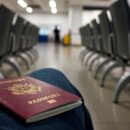
Image generated with Ai
After a five-day chaos triggered by the ongoing tensions between the US and Iran, airlines are gradually resuming limited flights from major Middle Eastern hubs, including Dubai and Doha. This marks a crucial turning point for the aviation sector, which has been severely impacted by flight cancellations, leaving hundreds of thousands of passengers stranded across various international airports. While full recovery of services is still uncertain, the reinstatement of some flights offers a glimmer of hope for travelers desperate to return home.
The disruption, which began following the escalation of tensions in the region, led to the closure of key airports and restricted airspace in countries such as the UAE and Qatar. Emirates, one of the most affected airlines, has confirmed the resumption of several flights from Dubai to destinations in the UK, including London Heathrow, London Gatwick, Manchester, and Edinburgh. While not all routes are open yet, the partial reopening of air corridors has allowed for a small number of repatriation flights and cargo operations to take place.
Despite the resumption of some flights, major airports in the region continue to feel the effects of the crisis. Dubai International Airport, one of the busiest in the world, was among those forced to halt operations for a brief period. Similarly, Hamad International in Doha experienced widespread disruptions, with numerous flights grounded, affecting not only travelers from the Middle East but also those traveling to and from Europe, the Americas, and Asia.
Airlines, including Emirates, Qatar Airways, and Etihad Airways, were among the most severely impacted by the crisis. As global travel hubs, these airports serve millions of passengers annually, making the interruption of services particularly difficult for travelers with tight schedules, business commitments, or urgent travel needs. Although operations have begun to resume, it is expected that the recovery process will be slow, with many routes remaining suspended or operating at a reduced capacity.
Advertisement
One of the key developments in the past few days has been the gradual resumption of limited repatriation flights. These flights aim to reunite stranded passengers with their families and return essential cargo to the UK. Although only a fraction of the total flights have been reinstated, the resumption of services is a crucial step toward restoring normalcy for passengers who have faced enormous delays and uncertainty.
Passengers who had been stranded in the region for days have been given priority for these repatriation flights. Airlines such as Emirates have confirmed that they are operating seven flights to the UK, serving airports including London Heathrow, London Gatwick, Manchester, and Edinburgh. However, the number of available seats is still limited, and it remains unclear when full-scale operations will resume at these major airports.
Advertisement
Advertisement
If you’re one of the thousands of passengers still stranded due to this ongoing crisis, it’s important to stay informed and prepared. Here are a few tips to help you manage the situation:
The ongoing crisis has not only disrupted flights but has also had a ripple effect on global tourism. Countries like the UK, US, and several others are grappling with the consequences of the disruptions, as airlines struggle to catch up with the backlogs created by the cancellation of hundreds of flights. The situation has left travelers uncertain about the future of their travel plans and how quickly the industry can recover from such a significant disruption.
Airlines are working tirelessly to resume services, but it is expected that the travel landscape will continue to experience turbulence in the short term. For those with upcoming travel plans, it’s advisable to stay up to date with developments and be prepared for potential delays or rerouting.
In addition to the disruptions to flights, the Middle East tourism sector is also feeling the impact of the ongoing crisis. Cities such as Dubai, Abu Dhabi, Doha, and Manama are major hubs for international tourism, attracting millions of visitors annually for business, leisure, and cultural events. The flight disruptions are likely to have a short-term negative impact on the tourism industry in the region, as travelers who had planned to visit these cities may have to postpone or cancel their trips.
Despite the challenges, there are opportunities for growth once the crisis is resolved. The region remains an essential destination for travelers from all over the world, and once airspace restrictions are lifted and services return to normal, the tourism sector is expected to bounce back quickly. Hotels, attractions, and services that depend on international visitors will undoubtedly experience a surge in demand as the situation stabilizes.
As airlines continue to recover from this crisis, the aviation industry’s resilience is once again on display. While significant challenges remain, the resumption of limited flights signals that recovery is on the horizon. For passengers who are still stranded or impacted by cancellations, it’s important to remain patient and vigilant as the situation continues to evolve.
The next few weeks will be crucial for airlines as they work to restore full-scale operations and regain the trust of passengers. However, with travel slowly returning to normal in some parts of the world, the future looks brighter for those looking to travel from the Middle East to their international destinations.
Advertisement

















Wednesday, March 4, 2026

Wednesday, March 4, 2026

Wednesday, March 4, 2026
Wednesday, March 4, 2026

Wednesday, March 4, 2026

Wednesday, March 4, 2026

Wednesday, March 4, 2026