Published on March 1, 2026
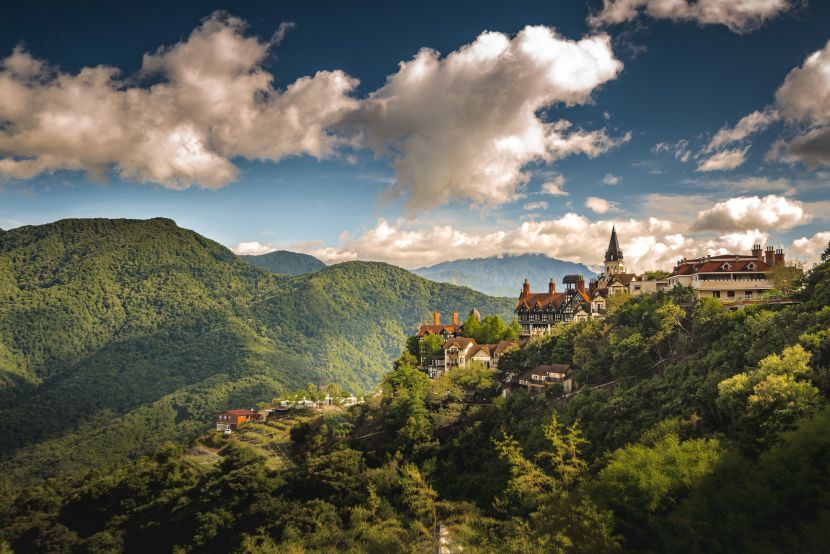
Image generated with Ai
In the heart of the Himalayas, Bhutan is rapidly emerging as one of the world’s most environmentally-conscious travel destinations. While the kingdom is globally celebrated for its stunning landscapes, rich culture, and spiritual serenity, it is its sustainable practices that are drawing increasing attention from travelers around the world. Visitors are now seeking not just unique experiences but meaningful journeys that contribute to the preservation of nature and culture. Bhutan’s comprehensive approach to sustainability offers a model for the future of tourism, blending eco-friendly practices with authentic cultural experiences.
At the core of Bhutan’s sustainable approach lies its Gross National Happiness (GNH) philosophy, which goes beyond economic growth to encompass environmental conservation, cultural preservation, and social wellbeing. The government’s commitment to environmental sustainability is part of the nation’s constitutional framework, which ensures that 60% of the country’s land remains covered by forests. This proactive legal approach ensures that Bhutan remains one of the few carbon-negative countries in the world. Through rigorous legislation, Bhutan not only protects its forests but also contributes to global efforts to combat climate change.
In contrast to traditional economic indices like GDP, GNH evaluates the nation’s progress through environmental, cultural, and social metrics. This innovative model has set Bhutan apart, allowing the country to develop a tourism industry that is both economically beneficial and ecologically responsible.
Bhutan’s ability to maintain a carbon-negative status is not just symbolic; it is the result of years of commitment to sustainable energy production, forest conservation, and national policies that prioritize climate-friendly practices. Bhutan’s energy supply is almost entirely derived from hydropower, which is both renewable and eco-friendly. Not only does this provide clean energy for domestic consumption, but Bhutan also exports surplus electricity to neighboring countries. This commitment to clean energy means that Bhutan’s carbon emissions are negated by the amount of carbon its forests absorb, making it a global leader in climate action.
Advertisement
In a world increasingly concerned about climate change, Bhutan’s green policies are a beacon of hope for environmentally-conscious travelers who seek destinations that protect and preserve the planet for future generations.
Bhutan is pioneering a sustainable tourism model that promotes responsible travel while limiting the negative impacts of mass tourism. The country’s approach, known as “high-value, low-volume tourism,” ensures that only a limited number of visitors are allowed each year, with an emphasis on quality over quantity. This model contrasts sharply with the mass-tourism strategies of many other destinations, which often lead to overcrowding, resource depletion, and cultural degradation.
Advertisement
Advertisement
By requiring all visitors to pay a Sustainable Development Fee (SDF), Bhutan generates revenue to fund environmental and community projects. This fee, coupled with the country’s strict regulations on tourism infrastructure, ensures that tourism remains sustainable and that the benefits are felt by local communities. The revenue from tourism is reinvested into conservation initiatives, helping to protect Bhutan’s natural landscapes and wildlife while supporting local livelihoods.
For travelers seeking an authentic, nature-based experience, Bhutan offers a wealth of eco-tourism opportunities. The country’s abundant forests, majestic mountains, and diverse wildlife make it a perfect destination for eco-conscious travelers who want to engage with nature in a meaningful way. Visitors can trek through unspoiled landscapes, observe rare species like the snow leopard and red panda, and explore Bhutan’s famous nature reserves and national parks.
Eco-friendly hotels and homestay programs also allow tourists to stay in harmony with the environment. These accommodations focus on using renewable energy and minimizing waste, ensuring that the natural beauty of the land is preserved for future generations. Through community-based tourism initiatives, visitors can directly contribute to the empowerment of local communities, supporting cultural and conservation projects while enjoying a deeper connection to Bhutan’s traditional way of life.
Bhutan’s forests are more than just a tourism attraction; they are vital to the nation’s cultural and environmental wellbeing. The 2008 Constitution of Bhutan mandates that at least 60% of the country’s land area must remain forested at all times. This constitutional protection makes Bhutan a global leader in forest conservation. The government’s strict forest management policies ensure that logging, deforestation, and other activities that could harm the environment are kept to a minimum.
This commitment to preserving the country’s natural resources has made Bhutan an international leader in sustainable forestry. The forests not only provide a carbon sink but are also home to Buddhist spiritual sites and sacred groves, linking Bhutan’s natural landscape with its cultural identity.
For travelers seeking to reduce their carbon footprint and support eco-friendly destinations, Bhutan represents an ideal choice. By visiting Bhutan, travelers are not only supporting conservation efforts but are also experiencing a unique model of sustainable development. The country’s commitment to environmental, cultural, and social sustainability offers a rewarding travel experience that goes beyond mere sightseeing. Bhutan’s focus on preserving local traditions, forests, and biodiversity makes it a responsible destination that aligns with the values of conscious travelers.
Furthermore, Bhutan’s strict regulations ensure that visitors can explore its landscapes without contributing to the overdevelopment that has plagued other popular tourist spots. By choosing Bhutan, travelers are part of a collective effort to protect the environment while enjoying a unique cultural experience.
As global travel continues to evolve, Bhutan’s sustainable practices offer a blueprint for future tourism. With its focus on environmental conservation, cultural preservation, and community empowerment, Bhutan is proving that sustainable tourism can thrive in harmony with economic growth. For those who are willing to invest in a high-value, low-impact journey, Bhutan promises a unique and rewarding travel experience.
The country’s sustainable tourism model is not just a trend but a long-term commitment to preserving the natural world for future generations. For responsible travelers, Bhutan offers an unparalleled opportunity to witness the benefits of conscious travel and experience a destination that truly values sustainability.
Advertisement
Tags: Bhutan environmental practices, Bhutan sustainability, Bhutan Travel, eco-conscious travel destinations, Eco-tourism Bhutan


















Sunday, March 1, 2026

Sunday, March 1, 2026

Sunday, March 1, 2026

Sunday, March 1, 2026