Published on February 28, 2026
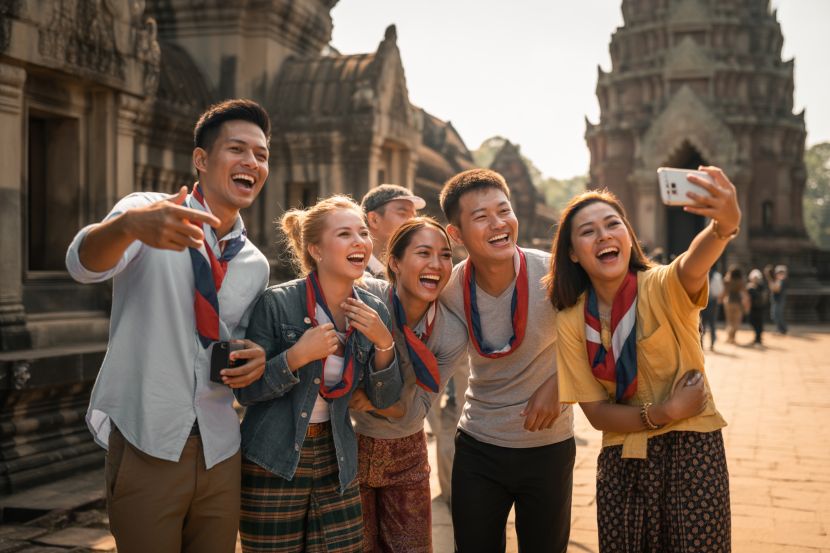
Image generated with Ai
As the Cambodian New Year approaches, it’s time for visitors to experience one of the most significant and festive celebrations in Southeast Asia. Khmer New Year 2026, also known as Chaul Chnam Thmey, will be celebrated from April 14 to April 16. The holiday marks the start of the solar new year, a moment of joy, reflection, and family reunions in Cambodia. For those planning to visit, the three days of festivity provide a rare and immersive opportunity to experience the country’s rich traditions, rituals, and vibrant cultural displays.
This year, the holiday will offer both local Cambodians and international visitors a chance to participate in community celebrations, experience traditional games, and visit temples. The Khmer New Year has long been a cornerstone of Cambodian culture, and the 2026 observance promises even more engaging activities and a deeper connection to the country’s Buddhist heritage.
Khmer New Year, celebrated in Cambodia for centuries, is an essential festival in the Theravada Buddhist calendar. It represents a time for spiritual renewal and a period of personal reflection, as Cambodians believe that the New Year marks a fresh start, where they can purify their minds and bodies.
The holiday aligns with the end of the harvest season, a time of abundance and thanksgiving for the fruits of labor. Cultural and family values are at the heart of the festivities, with rituals centered around honoring ancestors and deities. Over the course of the three days, families gather to cleanse their homes, make offerings at temples, and perform ritualistic prayers for prosperity and good health in the coming year.
Advertisement
Advertisement
The celebration also holds great significance for Cambodia’s Buddhist community, as it is a time to connect with the spiritual through temple visits and community prayers.
The Cambodian New Year 2026 will fall between April 14 and April 16. Government sources have confirmed that the entire period will be a public holiday for Cambodians, with businesses, government offices, and many tourist attractions observing closures or limited hours. The government has urged local tourism providers to ensure that their services continue throughout the festivities, though many small shops and markets will close during the celebration days as families return to their ancestral homes.
Advertisement
Advertisement
The traditional celebrations typically include a combination of religious rituals, family gatherings, and festivals. Across Cambodia’s cities and provinces, visitors can expect a wide array of colorful street processions, dances, and traditional Cambodian games that are part of the Khmer New Year experience.
During Khmer New Year 2026, travelers will be able to witness and participate in several key cultural practices that distinguish the festival from others in Southeast Asia. Here are some of the highlights:
One of the most iconic elements of Khmer New Year is the water blessing ceremony, which involves families and communities pouring scented water over Buddha statues and family members as a symbol of purification and good luck for the coming year. Visitors are encouraged to join this ritual by offering prayers for health and prosperity, and often, this act of cleansing is followed by a festive family meal.
Traditional games are a fun and interactive aspect of the Khmer New Year. Games such as “Trot” (a jumping game) and “Chol Chhoung” (a popular traditional ball game) are played in the streets, with both locals and tourists joining in the fun. These games bring people together, fostering community spirit and adding an element of enjoyment to the serious religious observances.
Throughout the festival, many Cambodians visit local pagodas and temples, including Wat Phnom in Phnom Penh and Angkor Wat in Siem Reap, to make offerings and receive blessings. The temples are beautifully adorned for the occasion, and visitors can witness prayers, meditation, and other Buddhist ceremonies. Visitors are encouraged to dress modestly and respectfully when entering these religious sites.
Family plays a central role in Khmer New Year. It is a time when families come together to celebrate, feast, and honor their ancestors. Traditional Cambodian dishes such as ‘bai chaa’ (Cambodian rice), ‘amok’ (a fish curry), and ‘nom banh chok’ (rice noodle dish) are shared during the holiday, and sweets like ‘bok lahong’ (a type of sticky rice dessert) are also enjoyed. The meals are often followed by traditional dances and songs, which are performed by local groups and family members.
Because Khmer New Year is such a significant celebration, Cambodia’s hotels, guesthouses, and transportation services experience high demand during this period. Booking accommodations and transport well in advance is highly recommended, especially if you plan to visit popular tourist destinations like Phnom Penh, Siem Reap, and Sihanoukville. Some hotels may offer special Khmer New Year packages that include traditional performances and meals.
Many businesses, shops, and local restaurants will be closed during the holiday, particularly in smaller towns and villages. If you plan to travel during these days, make sure to stock up on any necessities before the celebrations begin.
Khmer New Year is a time for religious reflection and family bonding, so visitors should approach celebrations with respect and reverence for Cambodian customs. It’s important to follow local etiquette, especially in temples and during rituals. Be mindful of cultural customs, such as not pointing at people or objects and removing shoes when entering homes or religious sites.
As Cambodia’s capital, Phnom Penh offers a lively urban celebration of Khmer New Year with street parades, performances, and festive events that showcase the country’s unique cultural heritage.
Siem Reap, the gateway to Angkor Wat, hosts numerous cultural performances and traditional ceremonies during Khmer New Year. Visitors can explore the famous temples while witnessing local celebrations.
Known for its agricultural landscape, Battambang is a quiet but vibrant place to experience Khmer New Year with a focus on traditional rural practices and family-oriented activities.
Khmer New Year 2026 presents an exceptional opportunity for travelers to experience Cambodia’s rich traditions, vibrant culture, and warm hospitality. Whether exploring temples, participating in water blessings, or enjoying the joyful games, the celebrations offer a memorable way to immerse oneself in the heart of Cambodian life. As the country prepares for these vibrant festivities, Khmer New Year 2026 is set to be a deeply enriching experience for visitors and locals alike.
Advertisement
Tags: Cambodia holidays, Cambodia travel April 2026, Cambodian New Year, Cambodian traditions, Chaul Chnam Thmey

















Saturday, February 28, 2026

Saturday, February 28, 2026

Saturday, February 28, 2026

Saturday, February 28, 2026
Saturday, February 28, 2026

Saturday, February 28, 2026

Saturday, February 28, 2026