Published on March 1, 2026
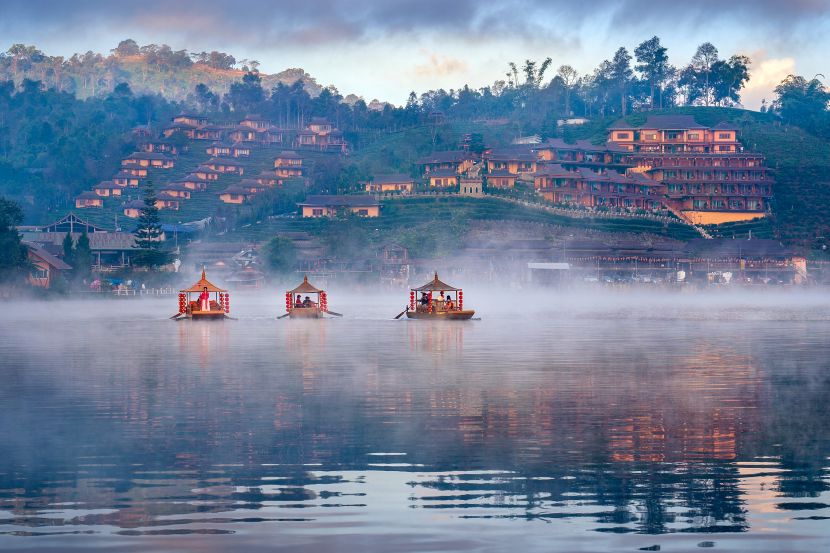
Image generated with Ai
Nepal, the land of towering Himalayan peaks, ancient temples, and vibrant cultures, is embracing a new era of sustainable tourism. With the world’s natural resources increasingly at risk, Nepal has become a beacon for eco-conscious travellers who are keen to experience its breathtaking beauty while contributing to its preservation. Through a series of well-defined initiatives and forward-thinking policies, the country is working tirelessly to balance growth in the tourism sector with the protection of its environment and cultural heritage.
The Nepal Tourism Board (NTB), in collaboration with the government, has laid the foundation for sustainable travel practices by implementing the Tourism Policy of 2008. This policy envisions a tourism model that supports the environment, ensures cultural preservation, and provides economic benefits to local communities. As part of this, the government has set clear guidelines for eco-friendly tourism, promoting measures that minimize the negative impacts of mass tourism. This includes managing waste, reducing emissions, and using renewable energy sources in tourist accommodations and transport.
Furthermore, the National Tourism Strategy emphasizes environmental responsibility, ensuring that Nepal’s tourism growth does not come at the expense of its natural beauty. These efforts include environmental impact assessments for all new developments and eco-certifications for tourism operators that meet sustainability criteria. As a result, Nepal is not only attracting eco-conscious travellers but is also ensuring that its tourism industry remains aligned with global sustainability goals.
Nepal is home to some of the world’s most fragile ecosystems, ranging from the subtropical jungles of the Terai to the snow-capped peaks of the Himalayas. The government has committed to preserving these habitats by establishing a network of national parks and protected areas. These areas serve as sanctuaries for some of the planet’s most endangered species, such as the Bengal tiger, one-horned rhinoceros, and red panda.
Advertisement
The Chitwan National Park, a UNESCO World Heritage Site, is a prime example of how tourism can coexist with wildlife conservation. The park has seen significant improvements in wildlife populations due to sustainable practices such as anti-poaching patrols and controlled tourism activities that minimize the impact on animals and their habitats. Additionally, revenue generated from eco-tourism helps fund conservation initiatives, creating a self-sustaining cycle that benefits both the environment and local communities.
Trekking in Nepal is a world-renowned experience, and with that popularity comes the responsibility to protect the natural beauty of its trekking routes. Popular trails like the Everest Base Camp and the Annapurna Circuit are being increasingly managed with sustainability in mind. Eco-friendly trekking initiatives encourage travellers to use biodegradable products, limit plastic usage, and follow leave-no-trace principles while trekking through Nepal’s pristine landscapes.
Advertisement
Advertisement
Local tea houses along the trekking routes have also adopted green practices by using renewable energy sources, reducing waste, and sourcing locally produced food. These sustainable practices ensure that the benefits of tourism are felt by local communities, while also minimizing the environmental footprint of tourism in Nepal’s iconic trekking regions.
In addition, the NTB has partnered with various eco-tourism organizations to implement conservation-focused trekking programs, which include educating visitors about Nepal’s biodiversity and encouraging responsible behaviour during their travels.
Advertisement
Advertisement
Nepal’s sustainable tourism efforts are not only focused on preserving the environment but also on uplifting local communities. By encouraging community-based tourism, Nepal ensures that the economic benefits of tourism are distributed fairly, especially to rural areas that traditionally lacked access to the tourism industry.
In regions like the Gosaikunda region and Upper Mustang, local families are involved in homestay programs where travellers can experience authentic Nepali culture while directly contributing to the local economy. These programs also promote the preservation of traditional crafts, customs, and languages, allowing visitors to engage deeply with the local culture.
In these community-led initiatives, income from tourism is reinvested into infrastructure projects, education, and healthcare, improving the quality of life for those who call these regions home. As these communities continue to benefit from tourism, they become ambassadors for sustainable practices, ensuring that tourism growth does not come at the expense of their way of life.
Nepal is increasingly adopting clean energy solutions within its tourism infrastructure to reduce its carbon footprint. Many hotels and lodges in popular tourist destinations are incorporating solar panels, wind turbines, and hydropower systems to power their facilities. The use of renewable energy sources is being actively promoted by the Ministry of Energy, which is working with private and public sectors to create a carbon-neutral tourism industry.
In addition, sustainable transportation options are being explored, with electric vehicles and eco-friendly buses slowly replacing older, more polluting transportation modes. This shift is crucial for reducing the environmental impact of tourist activities, especially in sensitive areas like Chitwan National Park and Sagarmatha National Park.
A key component of Nepal’s sustainable tourism efforts is the education of both travellers and industry stakeholders. Through campaigns and workshops, Nepal is raising awareness about the importance of responsible travel and encouraging visitors to reduce their environmental impact. The Nepal Tourism Board has partnered with local and international organizations to train tourism operators in sustainability practices, ensuring that the entire sector contributes to the country’s eco-friendly goals.
In particular, tour guides in Nepal are being trained to provide information on the country’s cultural heritage, biodiversity, and sustainability efforts, fostering a deeper understanding of the importance of responsible tourism among visitors.
As Nepal continues to draw increasing numbers of eco-conscious travellers, the country remains committed to preserving its natural beauty, cultural heritage, and socioeconomic vitality. Through thoughtful government policies, responsible tourism practices, and a focus on community empowerment, Nepal is setting a standard for sustainable travel that other countries can follow.
For travellers, visiting Nepal offers more than just an opportunity to explore awe-inspiring landscapes and ancient temples — it’s a chance to be part of a global movement towards sustainable tourism, where the environment and local communities thrive in harmony with the growing tourism sector.
Advertisement
Tags: community tourism Nepal, eco-friendly tourism Nepal, Nepal eco-tourism practices, Nepal sustainable tourism, Nepal wildlife conservation


















Sunday, March 1, 2026

Sunday, March 1, 2026

Sunday, March 1, 2026

Sunday, March 1, 2026