
First Interoperable Digital Identity for Seafarers Launches, Transforming Global Maritime Operations Fast, New Update is Here

Published
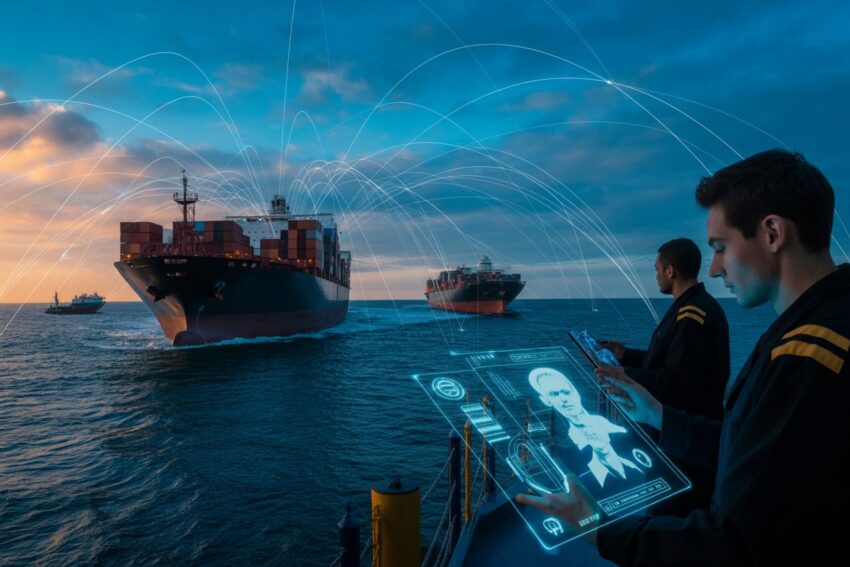 Image generated with Ai
A major shift is underway in the maritime industry. For decades, seafarers have relied on paper documents. Identity checks were manual. Verification was slow. Errors were common. Costs were high. Now, this is changing.
A new interoperable digital identity solution for seafarers has been launched. It is part of the SmartSea strategy. It is led by SITA, IDsure, and Columbia Shipmanagement. The pilot is already live. It brings aviation-grade digital identity into maritime operations.
Advertisement
Advertisement
This solution replaces paper-based processes. It introduces secure digital credentials. These are stored on mobile devices. Verification is instant. Tasks that once took hours now take minutes. This reduces delays. It improves efficiency. It strengthens compliance.
The maritime industry is vast. It employs more than two million seafarers. It operates across 75,000 merchant ships. Yet, many processes remain outdated. This initiative addresses that gap. It aligns maritime systems with modern digital standards.
Advertisement
Advertisement
The implications are significant. This is not just a pilot. It is a structural shift. It connects ports, authorities, and operators. It creates a unified identity framework. It also empowers seafarers. They retain control of their data.
This is innovation beyond the skies. It is the beginning of a connected maritime future.
Advertisement
Advertisement
What is the new interoperable digital identity solution for seafarers?
The solution is a digital identity framework. It allows seafarers to store verified credentials on mobile devices. These include certificates and identity documents. The system replaces physical paperwork. It uses secure digital verification. Authorities can access data instantly. The platform is interoperable. This means it works across systems and borders. It connects shipping companies, ports, and regulators. The identity is portable. It travels with the seafarer. This ensures consistency. It reduces duplication. It also improves trust. The system is designed for global use. It aligns with international standards. This makes it scalable and adaptable.
Why has the maritime industry relied on paper-based systems for so long?
The maritime sector is complex. It operates across multiple jurisdictions. Regulations vary by country. Paper systems were easier to standardise historically. Digital infrastructure was limited. Trust in digital systems was low. Many stakeholders resisted change. Manual checks became the norm. Over time, this created inefficiencies. Verification processes became slow. Errors increased. Fraud risks remained. Paper documents were difficult to track. They could be lost or forged. Despite technological advances, adoption lagged. The industry prioritised stability over innovation. Now, pressure is building. Efficiency demands are rising. Digital transformation is becoming essential.
How does the SmartSea strategy drive this transformation?
SmartSea is a digital transformation initiative. It aims to modernise maritime operations. It brings aviation-grade technology to shipping. The strategy focuses on identity, data, and connectivity. It integrates systems across stakeholders. It promotes interoperability. It ensures secure data exchange. The digital identity pilot is a key component. It demonstrates practical application. It shows how technology can improve efficiency. It also builds trust among users. SmartSea aligns with global digital trends. It supports regulatory compliance. It enhances operational transparency. The strategy is long-term. It aims to create a fully connected maritime ecosystem.
How does the digital Seafarer Handbook replace traditional documentation?
The digital Seafarer Handbook is central to the solution. It stores all professional credentials. These include certificates and training records. The data is verified and secure. It is accessible through a mobile app. This replaces physical documents. Seafarers no longer carry paper files. Authorities can verify credentials instantly. This reduces processing time. It eliminates manual checks. It also reduces errors. The handbook updates in real time. Changes are reflected immediately. This ensures accuracy. It also simplifies compliance. The digital format is more efficient. It supports global mobility. It modernises credential management.
What role do SITA, IDsure, and Columbia Shipmanagement play?
Each partner has a defined role. SITA provides identity verification technology. It brings aviation expertise. IDsure develops the digital platform. It ensures secure storage and access. Columbia Shipmanagement implements the pilot. It provides operational testing. Together, they create a complete solution. The collaboration is strategic. It combines technology and industry knowledge. It ensures practical application. It also accelerates adoption. Each partner contributes to scalability. Their combined effort strengthens credibility. It demonstrates industry commitment. This partnership model is essential for success.
How does the system ensure data security and privacy?
Data security is critical. The system uses a GDPR-compliant framework. Personal data is encrypted. It is stored securely on mobile devices. Seafarers control access. They decide who can view their data. Verification uses secure authentication methods. These include national ID and passport checks. The system prevents unauthorised access. It also reduces fraud risk. Data sharing is controlled and transparent. This builds trust. Privacy is prioritised. Compliance with international standards is maintained. The system balances accessibility and security. This is essential for global adoption.
Advertisement
Advertisement
What operational benefits does this solution offer to the maritime industry?
The benefits are immediate. Verification becomes faster. Tasks that took hours now take minutes. This improves efficiency. It reduces administrative burden. Shipping companies save time and cost. Port authorities gain real-time access to data. This improves decision-making. Compliance risks decrease. Errors are reduced. Operations become more predictable. The system also enhances transparency. It supports better coordination. Over time, integration with other systems will increase. This creates a connected ecosystem. Efficiency gains will scale. The industry becomes more agile.
How are maritime authorities responding to this innovation?
Interest is growing. The Bahamas Maritime Authority has already partnered with IDsure. It is introducing digital record books. It is also adopting digital certificates. This shows strong momentum. Other flag states are observing closely. They recognise the benefits. Digital systems improve compliance. They reduce fraud. They enhance efficiency. Authorities are under pressure to modernise. This solution provides a practical pathway. It aligns with regulatory requirements. It also supports international standards. Adoption is expected to increase. This could lead to global standardisation.
How does this initiative impact seafarers directly?
Seafarers benefit significantly. They gain control over their data. They no longer carry paper documents. This reduces stress. It simplifies travel. Verification is faster. This reduces delays at ports. It also improves job mobility. Seafarers can move between vessels easily. Their credentials are always accessible. The system enhances trust. It ensures their qualifications are recognised globally. It also improves safety. Accurate data supports better decision-making. Overall, the solution empowers seafarers. It improves their working conditions.
What does the future of digital identity in maritime look like?
The future is digital. Identity systems will become standardised. Paper processes will decline. Interoperability will increase. Systems will connect globally. Seafarers will have unified digital identities. Ports and authorities will access data instantly. Compliance will improve. Fraud will decrease. Operations will become seamless. Integration with immigration systems will expand. This will create a fully connected ecosystem. The SmartSea strategy is a starting point. It sets the direction. The maritime industry is entering a new era. Digital identity will be central to this transformation.
The launch of the first interoperable digital identity solution for seafarers marks a turning point. The cause is clear. The maritime industry needs efficiency. It needs security. It needs modernisation. The answer lies in digital transformation. This solution delivers that.
The reason for its impact is its design. It integrates technology, security, and usability. It connects stakeholders. It empowers seafarers. It reduces inefficiencies. It enhances compliance.
This is more than innovation. It is structural change. It aligns maritime operations with global digital standards. It sets a new benchmark. The industry is moving forward. And this time, it is moving fast.
Advertisement
