
Estonia Is Refurbishing a Few National Parks, Including Lahemaa, for Winter Special Tourism

Updated
Published
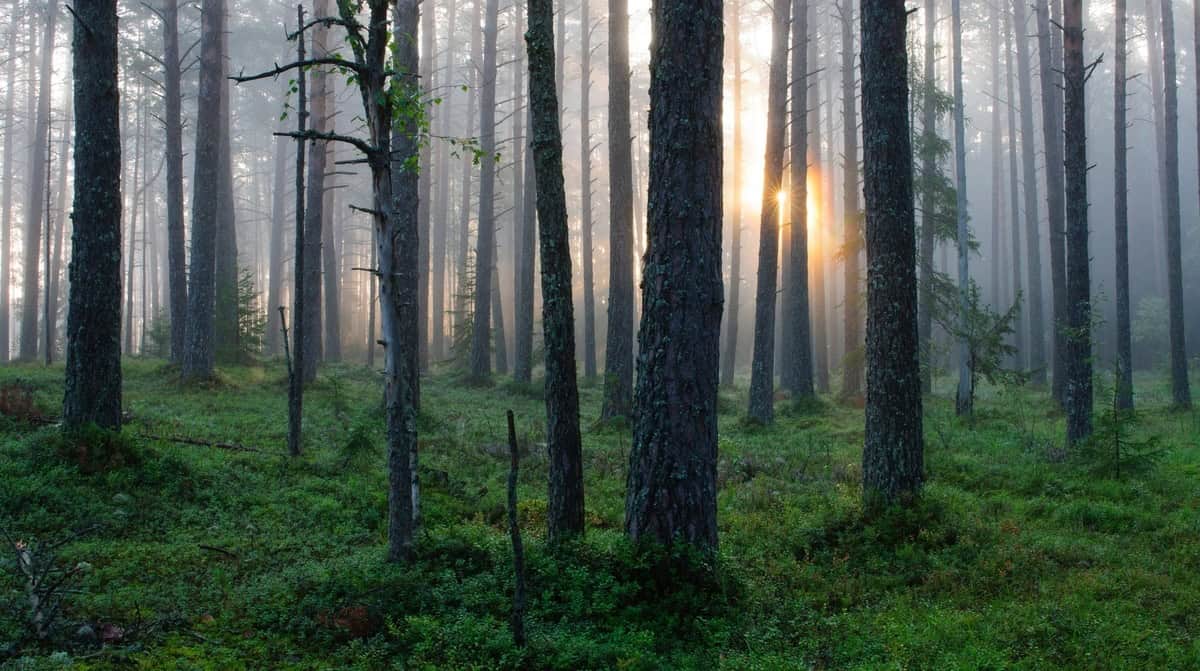
Estonia upgrades some national parks including Lahemaa to boost winter tourism experiences as the country prepares its nature destinations for a remarkable seasonal transformation. Hidden forests, frozen wetlands and peaceful landscapes are drawing increasing attention from travellers seeking authentic cold-weather escapes. Authorities are focusing on visitor improvements, trail maintenance and sustainable tourism facilities rather than large-scale reconstruction. These developments aim to make national parks safer, more accessible and more attractive during winter months. From Soomaa’s frozen bogs to Lahemaa’s coastal beauty, Estonia is creating unforgettable outdoor journeys while protecting its natural heritage for future generations.
Estonian National Parks Under Renovation or Upgrade for Winter Travel Tourism 2026
| National Park | Region | Winter Tourism Importance 2026 | Renovation / Upgrade Activity Linked to Tourism | Main Infrastructure Focus | Expected Winter Visitor Benefits | Current Status |
|---|---|---|---|---|---|---|
| Lahemaa National Park | Northern Estonia, near Tallinn | One of Estonia’s most visited nature destinations with winter bog walks, coastal landscapes, forests and cultural heritage sites | Visitor infrastructure maintenance and nature trail improvements are periodically carried out through Estonia’s protected-area management system. No major 2026 winter renovation project publicly confirmed. | Bog boardwalks, hiking routes, visitor information facilities, cultural heritage tourism sites | Safer winter hiking routes, improved access to frozen landscapes, better visitor experience during low-season travel | Maintenance and improvement activities ongoing; major renovation not officially confirmed |
| Soomaa National Park | Southwest Estonia | One of Estonia’s strongest winter nature tourism destinations because of frozen wetlands, snowshoeing and seasonal wilderness experiences | Trail maintenance and visitor service improvements support year-round tourism. No specific large-scale winter 2026 renovation announced. | Hiking trails, visitor centre services, nature education facilities, wetland access routes | Better access for winter hiking, snow activities and guided ecological experiences | Year-round tourism upgrades; no major renovation publicly announced |
| Alutaguse National Park | Eastern Estonia | Important for winter landscapes, forests, wildlife watching and nearby winter recreation areas | Protected-area infrastructure improvements and visitor management measures continue, but no dedicated winter tourism renovation project confirmed. | Forest trails, visitor facilities, nature interpretation points | Improved winter exploration opportunities and wildlife tourism access | Potential improvement area; no confirmed major renovation |
| Karula National Park | Southern Estonia | Known for hills, forests, lakes and peaceful winter landscapes | Small-scale trail and visitor facility maintenance supports sustainable tourism. No confirmed 2026 renovation programme specifically targeting winter tourism. | Hiking routes, information points, landscape access | Better winter walking routes and nature experiences | Routine improvements only |
| Vilsandi National Park | Western Estonia archipelago | Winter birdwatching, coastal scenery and marine nature tourism | Visitor access and conservation-related maintenance continue, but no confirmed winter tourism renovation project for 2026. | Coastal trails, visitor access points, island tourism facilities | Improved seasonal access and wildlife viewing opportunities | No major tourism renovation confirmed |
| Matsalu National Park | Western Estonia | Famous for bird migration, wetlands and wildlife tourism; winter attracts nature photographers | Conservation infrastructure and visitor facilities are maintained, but no major winter tourism renovation announced. | Birdwatching towers, trails, observation points | Enhanced wildlife tourism and photography experiences | Maintenance-based improvements |
Which Estonian national parks are receiving tourism improvements ahead of winter 2026?
Estonia is preparing its protected landscapes for continued growth in nature-based tourism by improving visitor infrastructure across several national parks. While there is no officially announced nationwide “winter renovation program” covering all parks, ongoing management projects are strengthening facilities that support winter travellers.
Advertisement
Advertisement
The country’s six national parks — Lahemaa, Soomaa, Karula, Vilsandi, Matsalu and Alutaguse — continue to receive maintenance and development measures through protected-area management systems. These improvements are designed to protect fragile ecosystems while making natural attractions safer and more accessible for visitors during all seasons, including winter.
According to information available through Estonia’s protected area management framework, national parks are managed with a focus on conservation, visitor education and sustainable recreation. The official Estonian Environmental Board oversees protected nature areas, while tourism promotion is supported through Visit Estonia, which highlights nature experiences as a major part of the country’s tourism offering.
Advertisement
Advertisement
Winter has become an increasingly attractive season for travellers seeking quieter destinations, snowy landscapes and outdoor adventures. Estonia’s national parks provide opportunities for snowshoeing, winter hiking, wildlife observation, photography and cultural exploration.
Among these destinations, Soomaa National Park has gained particular attention because of its unique wetland environment. During colder months, frozen bog landscapes create opportunities for guided snowshoe tours and wilderness experiences. Meanwhile, Lahemaa National Park, located close to Tallinn, combines forests, coastal scenery and historic cultural sites, making it one of Estonia’s most accessible year-round nature destinations.
Advertisement
Advertisement
The current improvements are therefore focused less on construction of completely new winter attractions and more on ensuring that existing tourism assets remain safe, sustainable and visitor-friendly.
Why is Soomaa National Park becoming a key winter tourism destination in Estonia?
Soomaa National Park is emerging as one of Estonia’s most distinctive winter travel locations because its landscapes transform dramatically during the colder months. The park is famous for wetlands, forests, rivers and seasonal natural phenomena that attract visitors looking for immersive outdoor experiences.
Advertisement
Advertisement
The park’s winter appeal comes from its vast bog landscapes, which become accessible through specially designed routes and guided activities when weather conditions allow. Snow-covered forests and frozen waterways create a unique environment for travellers interested in slow tourism and nature exploration.
Infrastructure maintenance in Soomaa focuses primarily on preserving hiking routes, boardwalks and visitor facilities. These improvements are essential because wetlands require carefully managed access points to prevent environmental damage while allowing tourism activity.
The official information from State Forest Management Centre (RMK) highlights the importance of maintaining visitor infrastructure in Estonia’s forests and protected areas. RMK manages many recreation areas and nature trails across Estonia, helping visitors access landscapes responsibly.
For winter travellers, upgraded trails and maintained visitor facilities create safer conditions for exploring remote natural areas. Guided experiences also help visitors understand the ecological importance of wetlands and Estonia’s biodiversity.
Advertisement
Advertisement
Soomaa is also connected with Estonia’s broader sustainable tourism goals. Instead of focusing on mass tourism development, the destination promotes smaller-scale experiences that protect nature while supporting local communities.
Winter visitors can expect activities such as snowshoe walks, wildlife photography, nature interpretation tours and peaceful exploration of Estonia’s wilderness. These experiences align with the growing global demand for outdoor tourism and environmentally responsible travel.
How is Lahemaa National Park improving access for winter visitors?
Lahemaa National Park remains one of Estonia’s most important nature tourism destinations because of its combination of forests, coastline, wetlands and cultural heritage. Located in northern Estonia, the park’s proximity to Tallinn makes it a popular choice for international visitors seeking short nature escapes.
Although no major winter-specific renovation project has been officially announced, ongoing maintenance and visitor infrastructure improvements continue to support tourism throughout the year.
Lahemaa’s winter experience is built around scenic landscapes rather than seasonal events. Visitors can explore quiet forests, frozen coastal areas, historic villages and cultural landmarks. The park’s hiking routes and visitor facilities require regular maintenance to ensure safe access during challenging weather conditions.
The park is managed as part of Estonia’s national protected landscape network, where conservation and visitor access must remain balanced. Improvements typically include maintaining trails, improving information services and supporting sustainable visitor movement.
Advertisement
Advertisement
For international tourists, Lahemaa offers an advantage because it combines wilderness experiences with cultural attractions. Travellers can enjoy winter walks in nature while also exploring historic settlements and traditional Estonian landscapes.
The park’s continued development reflects Estonia’s broader strategy of encouraging visitors to travel beyond major cities. By improving access to natural destinations, Estonia aims to distribute tourism benefits across different regions.
Winter tourism also helps reduce dependence on peak summer travel periods. Visitors arriving during colder months contribute to local accommodation providers, guides and small tourism businesses.
Are other Estonian national parks receiving winter tourism upgrades for 2026?
Beyond Soomaa and Lahemaa, other Estonian national parks are also benefiting from ongoing conservation and visitor management improvements.
Alutaguse National Park in eastern Estonia is gaining attention for its forests, wildlife habitats and peaceful winter scenery. The region offers opportunities for nature photography, wildlife observation and outdoor recreation. While no major winter renovation programme has been announced, continued infrastructure maintenance supports visitor access.
Karula National Park provides a different winter experience with rolling landscapes, lakes and forest trails. The park’s smaller scale makes it attractive for travellers seeking quieter destinations away from busy tourist areas. Maintenance of trails and visitor information points helps preserve accessibility during winter conditions.
Advertisement
Advertisement
Matsalu National Park is internationally recognised for wetlands and birdwatching. Although it is best known for migration seasons, winter visitors can still experience coastal landscapes and wildlife observation opportunities. Improvements mainly focus on conservation facilities and visitor infrastructure.
Vilsandi National Park, located in western Estonia, offers coastal nature experiences and marine landscapes. Winter access can be more challenging because of island conditions, making careful management of visitor routes important.
Across these destinations, Estonia’s approach prioritizes sustainable tourism rather than large-scale construction. The focus remains on protecting natural environments while ensuring visitors can experience them responsibly.
What role do sustainable improvements play in Estonia’s winter tourism growth?
Sustainability is becoming a central factor in Estonia’s approach to nature tourism development. National parks are not only tourist attractions but also protected ecosystems that require careful management.
Winter tourism presents both opportunities and challenges. Lower visitor numbers during colder months can reduce pressure on sensitive landscapes, but extreme weather conditions require well-maintained infrastructure to protect visitors and habitats.
Trail restoration, visitor guidance systems and improved interpretation facilities allow travellers to experience nature without damaging ecosystems. These improvements also support local tourism businesses by creating reliable year-round attractions.
Advertisement
Advertisement
Estonia’s national parks demonstrate how destinations can develop tourism while maintaining environmental responsibility. Rather than creating artificial attractions, the country focuses on improving access to authentic natural experiences.
This approach reflects changing traveller preferences. Many visitors now seek destinations that offer meaningful experiences, outdoor activities and connections with local environments.
Winter tourism supports this trend by encouraging slower travel, longer stays and exploration of lesser-known regions.
What can international travellers expect from Estonia’s national parks in winter 2026?
Visitors planning an Estonian winter trip in 2026 can expect improved access, better-maintained trails and stronger visitor services across national parks. However, travellers should understand that the improvements are mainly focused on maintenance and sustainable development rather than large-scale renovations.
Soomaa National Park is likely to remain a highlight for winter adventure seekers because of its frozen wetlands and guided nature experiences. Lahemaa National Park will continue attracting visitors who want a combination of forests, coastline and cultural heritage.
Other parks, including Alutaguse, Karula, Matsalu and Vilsandi, will provide quieter alternatives for travellers interested in wildlife, landscapes and outdoor exploration.
Advertisement
Advertisement
Winter conditions in Estonia can change quickly, so visitors should check local guidance, weather conditions and trail information before travelling. Official tourism platforms such as Visit Estonia provide updated travel information for visitors planning nature experiences.
Estonia’s national parks represent a growing model of sustainable winter tourism. Through careful infrastructure improvements and conservation-focused management, the country is preparing its natural landscapes for travellers seeking authentic cold-season adventures in 2026.
Estonia’s winter tourism growth is being shaped by careful improvements across its national parks, with Lahemaa and Soomaa emerging as key destinations. The reason behind these upgrades is the rising demand for sustainable nature experiences that combine adventure, conservation and accessibility. Instead of major rebuilding projects, Estonia is strengthening trails, visitor services and protected landscapes to support year-round travel. The answer lies in balancing tourism growth with environmental responsibility. By enhancing existing facilities and preserving natural beauty, Estonia is positioning its national parks as attractive winter destinations for travellers searching for authentic wilderness experiences in 2026.
[Image: Visit Lahemaa]
Advertisement
