

Fuel Shortage Triggers Major Travel Disruptions in Vietnam: All You Need To Know

Published
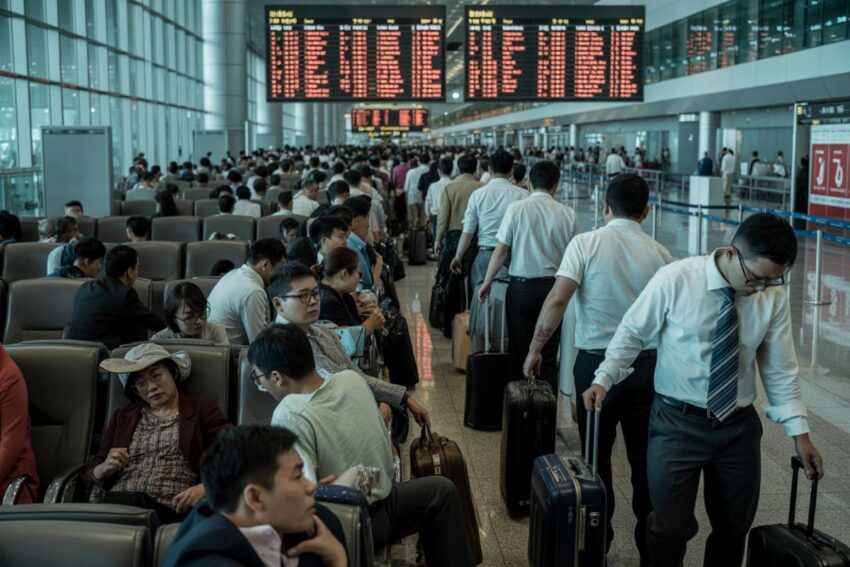 Image generated with Ai
Vietnam is facing an aviation crisis as fuel shortages force airlines to cancel and reduce flights, creating travel disruptions for both locals and tourists. Airlines in the country, including domestic and international carriers, are struggling with the ongoing fuel crunch. As a result, Vietnam’s tourism industry, which was already recovering from the pandemic, faces significant setbacks.
The situation has led to uncertainty for passengers, with both short-term and long-term consequences for travel plans. Tourists visiting the country are advised to stay updated on flight statuses and prepare for potential delays. With no immediate solution in sight, the fuel crisis is causing widespread disruptions in travel across the nation, impacting tourists and airlines alike.
The Fuel Shortage: A Growing Challenge for Vietnam’s Airlines
Vietnam’s aviation industry has been heavily impacted by a shortage of aviation fuel. Airlines across the country are struggling to secure enough fuel to maintain their regular flight schedules, prompting reductions and cancellations. This shortage stems from a combination of supply chain issues, higher global fuel prices, and logistical challenges. The situation has worsened, leaving both domestic and international flights affected.
Local airlines, including major carriers such as Vietnam Airlines, VietJet Air, and Bamboo Airways, have been forced to scale back operations. The reduced availability of fuel has led to delays and cancellations across a wide range of flight routes, causing a ripple effect on travel throughout the country.
Advertisement
Advertisement
Fuel shortages have been a global issue, but in Vietnam, the problem has reached critical levels, impacting not only daily flights but also international connections. As a result, travelers in Vietnam, particularly tourists planning to visit popular destinations like Hanoi, Ho Chi Minh City, and the beaches of Da Nang, are facing mounting challenges.
Impact on Tourism: What Travelers Need to Know
Vietnam is one of Southeast Asia’s most popular tourist destinations, known for its stunning landscapes, rich cultural heritage, and vibrant cities. However, with airlines cutting flights due to fuel shortages, the tourism sector is experiencing setbacks. Foreign visitors planning vacations or business trips may find themselves delayed or stranded due to cancelled flights, making it essential for travelers to remain flexible with their plans.
Advertisement
Advertisement
Tourists who have already booked their flights to Vietnam should monitor airline updates closely and consider alternative routes or means of transport if their flights are affected. Travel agencies and local tourism operators are advising tourists to factor in the possibility of extended waiting times and disruptions in their itineraries.
While Vietnam’s tourism had been showing signs of recovery, this new challenge adds another layer of uncertainty. With airlines unable to meet demand due to the fuel crisis, potential visitors to Vietnam may reconsider their travel plans or delay trips, further impacting the industry.
Domestic Flights Severely Affected: Key Routes and Airports to Watch
The fuel crisis has hit domestic flight operations hardest, especially on key routes between major cities like Hanoi, Ho Chi Minh City, and Da Nang. Airlines serving these routes have slashed services or altered their schedules to cope with the limited fuel supply. For example, flight frequencies between Hanoi and Ho Chi Minh City, two of the most heavily trafficked routes, have been reduced.
Hanoi’s Noi Bai International Airport (HAN) and Tan Son Nhat International Airport in Ho Chi Minh City (SGN) are particularly impacted, as these airports handle the highest volume of flights. Both airports, which are major hubs for domestic and international flights, have been facing capacity issues as airlines struggle to keep up with the disrupted schedules.
Furthermore, routes connecting Vietnam’s major tourist destinations, such as Phu Quoc, Nha Trang, and Hue, are also seeing reduced frequencies, leading to inconvenience for both tourists and locals. As the shortage continues, it’s expected that domestic travel will continue to be affected, making it important for travelers to consider alternative transportation options, such as trains or buses, which are less impacted by the fuel crisis.
International Flight Cancellations and Delays: A Wider Impact
The fuel shortage in Vietnam is also taking a toll on international flights. Vietnam Airlines and other carriers operating from Vietnam to global destinations, including Asia, Europe, and beyond, have had to cancel or reschedule several long-haul flights. Airlines are facing difficulties sourcing sufficient fuel for these international routes, which often require significant fuel reserves.
Advertisement
Advertisement
Popular international routes from Vietnam, including flights to destinations such as Tokyo, Bangkok, Singapore, and Seoul, are experiencing delays and cancellations. For tourists planning to travel to or from Vietnam, it’s advisable to stay in close contact with their airline for the latest updates on their flight status.
Moreover, the ripple effects of these cancellations are being felt across the region. Travelers connecting through Vietnam on their way to other destinations are being advised to allow for additional time between connecting flights to accommodate potential delays.
What Are the Long-Term Implications for Vietnam’s Tourism Industry?
The fuel shortage and subsequent travel disruptions are likely to have long-term effects on Vietnam’s tourism industry. In addition to the immediate inconvenience for travelers, the crisis may impact the country’s reputation as a reliable destination for international tourists. As travelers face delays, cancellations, and uncertainties, some may opt to postpone or cancel their trips altogether.
The tourism industry, which is a major contributor to Vietnam’s economy, had been on the rebound following the pandemic. However, this fuel crisis could slow down that recovery, particularly if the situation persists for a prolonged period. The government and industry stakeholders will need to address the issue promptly to restore confidence among international visitors.
How Are Authorities Responding to the Crisis?
The Vietnamese government has acknowledged the severity of the fuel crisis and is working with airlines and fuel suppliers to find solutions. Authorities are exploring ways to secure additional fuel supplies and ensure that airlines have access to the resources they need to operate. In addition, the government has pledged to support affected travelers, with measures including refunds for cancelled flights and assistance with rebooking.
While the situation is being closely monitored, there is no immediate fix to the fuel shortage, and disruptions are expected to continue for the foreseeable future. Tourists are urged to stay informed by regularly checking official airline updates and Vietnam’s Ministry of Transport website for any announcements.
Advertisement
Advertisement
What Can Tourists Do to Minimize Disruptions?
For those planning to visit Vietnam during this period of uncertainty, there are several steps they can take to minimize travel disruptions:
- Stay Updated: Regularly check the official websites of airlines and airports for the latest flight status updates. Sign up for email or SMS notifications from your airline to receive real-time alerts.
- Consider Travel Insurance: Given the disruptions, tourists are advised to purchase comprehensive travel insurance. This will help cover unexpected cancellations and delays, offering peace of mind during travel.
- Plan for Delays: Allow extra time between connecting flights, especially if traveling internationally. Check for alternate travel routes, including train or bus services, which may be less affected by fuel shortages.
- Contact Travel Agencies: If you’re traveling through a tour operator, ensure that they are aware of the ongoing disruptions and are actively managing the situation.
- Remain Flexible: Be prepared to change your travel plans if necessary. Flexibility is crucial during times of crisis.
Conclusion: The Ongoing Challenge for Vietnam’s Tourism
As Vietnam grapples with a fuel shortage, the country’s tourism industry faces unprecedented challenges. The situation has forced airlines to reduce services, leading to widespread flight disruptions for both domestic and international travelers. With no immediate resolution in sight, tourists are encouraged to stay informed, plan accordingly, and remain flexible in their travel arrangements.
For now, travelers to Vietnam must exercise caution and be prepared for potential delays or cancellations. The industry’s long-term recovery will depend on how swiftly and effectively the government and airlines can address the fuel crisis and restore normalcy to flight operations.
Advertisement
