Published on February 26, 2026

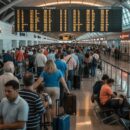
Image generated with Ai
In the fast-paced world of modern air travel, the importance of maintaining smooth cabin operations cannot be overstated. Travelers across major global hubs such as Germany, the USA, and India often overlook one common mistake that could be slowing down the deplaning process and creating unnecessary disruptions. A simple carry-on storage error, specifically placing bags in overhead bins behind the assigned seat, is gaining attention from aviation experts, including flight attendants, who warn that this small oversight can lead to significant delays and safety concerns.
Frequent flyers and occasional travelers alike often find themselves rushing to disembark, but those storing their carry-on luggage behind their seats may face an uphill battle when it comes time to leave the aircraft. This article explores why this practice not only slows down cabin flow but also poses risks to personal safety, cabin efficiency, and security, particularly on full flights. It also provides tips on better storage etiquette that can enhance the overall air travel experience for everyone involved.
When it comes to storing carry-on luggage, passengers often focus on the TSA regulations and their own convenience, without considering the broader impact on cabin flow. The most common mistake made is placing bags in overhead bins located behind a passenger’s seat. While it may seem like a simple choice, this practice can disrupt the entire deplaning process. Passengers who need to retrieve their luggage from compartments several rows behind them must wait until the aisle clears, leading to congestion and delays for everyone else.
Airports, especially in major cities like New York, Berlin, and Mumbai, are known for handling a high volume of air traffic, meaning that efficiency is critical to ensuring smooth transitions. Flight attendants have noted that the most significant delays occur when passengers attempting to retrieve their carry-ons are forced to move against the natural cabin flow. This can cause bottlenecks, slowing down the overall deplaning process.
Advertisement
Beyond just delaying the deplaning process, improper carry-on storage can also pose safety and security risks. When luggage is placed far from a passenger’s seat, it becomes harder for them to monitor their belongings. In situations where bins are packed full, it increases the chance of a misplaced bag or an accidental bag swap. This can lead to confusion, and while rare, such situations can also contribute to security concerns, particularly on crowded flights where personal items can be mistaken for others.
In addition, flight attendants emphasize that passengers who retrieve their bags from the rear bins often must twist and stretch to grab their luggage. This physical strain can lead to minor injuries, especially for elderly travelers or those with mobility issues. It’s much safer for passengers to retrieve their bags from a bin located above or slightly in front of them, avoiding the awkward stretching and bending that can occur with improper bag placement.
Advertisement
Advertisement
Flight attendants and travel specialists agree that there are easy adjustments passengers can make to ensure a smoother deplaning process. The key to improving cabin flow lies in proper carry-on placement. If overhead space is available near a passenger’s seat, it is recommended to place the bag directly above or slightly ahead of them. This positioning allows the passenger to retrieve the bag without disturbing others or blocking the aisle.
In cases where bins are full, passengers should aim to store their luggage in a compartment slightly ahead of their row. This minimizes the need to move against the cabin flow and ensures a more efficient deplaning experience. For those unsure of where to store their bag, asking the flight attendants for guidance can help ensure that the overhead bins are utilized efficiently. Flight attendants are trained to assist in identifying suitable storage spaces, which helps to maintain an orderly boarding and deplaning process.
Proper carry-on etiquette is not just about convenience for individual travelers—it benefits the entire flight crew and passengers. Storing bags correctly can reduce stress, improve cabin safety, and enhance overall travel efficiency. When passengers follow these simple rules, the deplaning process can be quicker and more organized, ensuring a smoother transition to the next stage of their journey.
Travel professionals have highlighted that carry-on luggage should be stored in a way that ensures quick access for the passenger without disrupting other travelers. By placing bags in a nearby compartment, the aisle remains clear, allowing passengers to exit promptly. This is especially important for frequent flyers, who understand that every minute counts when transitioning through crowded airports.
Though it may seem like a minor issue, the way passengers store their carry-on luggage can have a big impact on the flight experience. By following simple guidelines for storage, travelers can help streamline the deplaning process, improve cabin flow, and reduce safety risks. Whether flying from Germany, the USA, or India, small adjustments in carry-on habits can lead to a much smoother travel experience for everyone on board.
Flight attendants and aviation experts agree: be mindful of where your carry-on bag is placed, and make sure that it’s stored in a way that benefits both you and your fellow passengers. These small steps can make a big difference in ensuring that air travel remains efficient, safe, and hassle-free for all.
Advertisement
Tags: Attendant, germany, India, luggage, United States
















Thursday, February 26, 2026

Thursday, February 26, 2026

Thursday, February 26, 2026
Thursday, February 26, 2026

Thursday, February 26, 2026

Thursday, February 26, 2026

Thursday, February 26, 2026

Thursday, February 26, 2026