

Thailand Teams Up With Uzbekistan and Other Nations in Major Visa and Tourism Realignment Across Asian Corridors

Published
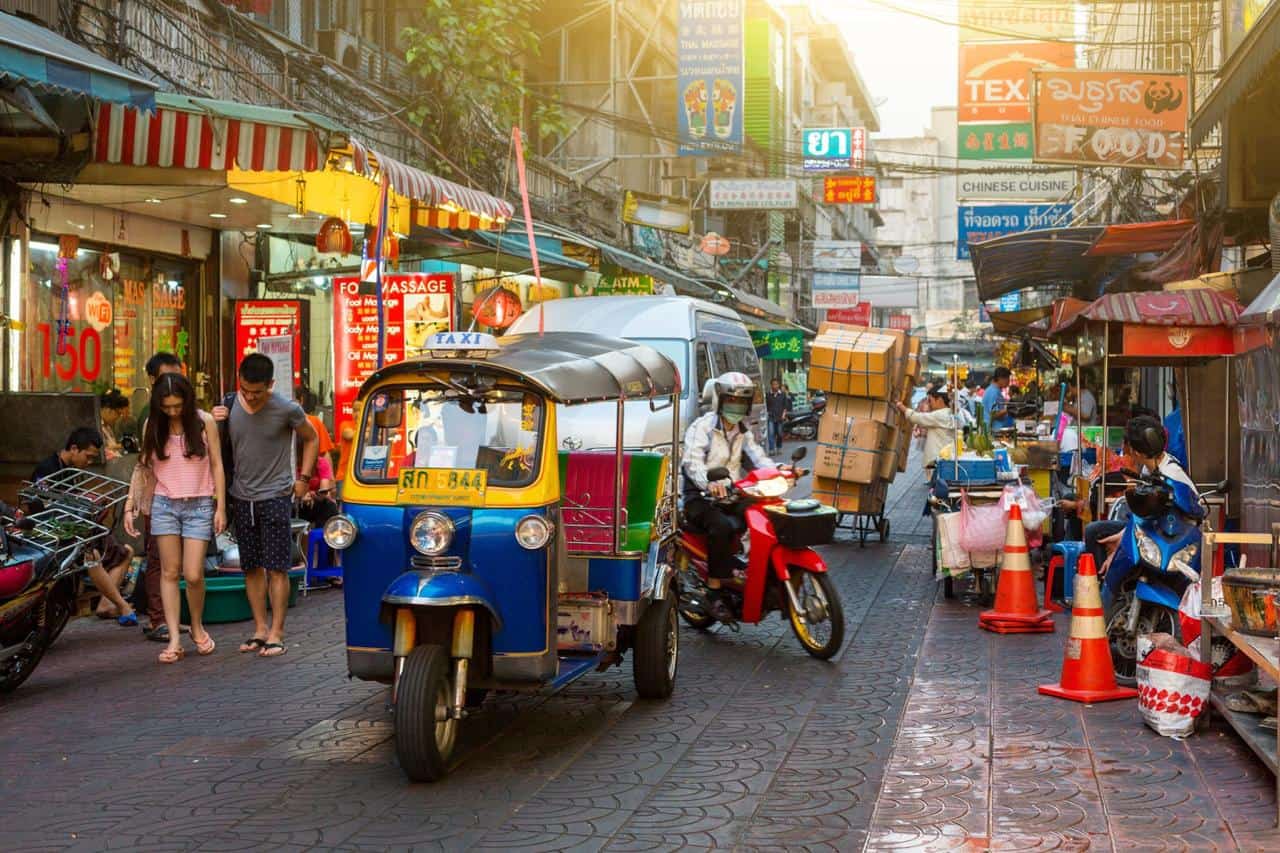
Thailand partners with Uzbekistan and others in significant visa and tourism policy changes throughout Asian corridors. Such a dramatic shift in diplomatic strategic planning provokes a radical change in the movement of people. It can be very difficult for travelers to obtain the right to enter the country. Governments introduced strict entry regulations in order to increase security. As a result, experts in the field of tourism warn about disruptions in the work of many travel agencies.
Now, a regional political situation in Asia is changing for the better, as countries introduce a mutual transit regime and visa liberalization, and new air routes are being developed between economic giants, including India, China, Thailand, and Sri Lanka.
Advertisement
Why Are Asian Travel Corridors Changing Rapidly?
The rapid evolution of cross-border travel corridors across Asia stems from a deliberate push by regional governments to capture surging middle-class outbound tourism and boost bilateral trade volumes. Nations are actively dismantling bureaucratic hurdles to establish friction-free economic and leisure zones that stimulate post-pandemic recovery. These policy overhauls reflect a deeper strategic imperative to align physical infrastructure upgrades with highly flexible entry frameworks. This competitive landscape forces neighboring tourism hubs to continuously re-evaluate their diplomatic and economic strategies. Consequently, millions of travelers now benefit from streamlined regional connectivity that redefines modern international mobility.
How Do Recent Visa Shifts Impact Regional Tourism?
Recent adjustments to regional entry policies showcase a careful balance between attracting high-volume visitor traffic and maintaining rigorous national security protocols. While destination powerhouses initially unleashed broad, emergency-era exemptions to maximize tourist arrivals, subsequent policy calibrations have fine-tuned these allowances to prevent overstay abuses and unauthorized commercial activities. Simultaneously, emerging corridors in Central Asia have introduced sweeping thirty-day exemptions for key demographic segments to foster deeper cultural and commercial exchanges. Such targeted regulatory frameworks ensure that tourism growth remains sustainable while actively rewarding genuine travelers with hassle-free access.
Advertisement
“The rapid convergence of strategic visa overhauls and regional transit pacts across Asia demonstrates how governments are aggressively leveraging tourism and open-border policies as key geopolitical tools. While destinations like Thailand calibrate their entry rules to balance massive tourist volume with strict regulatory compliance, emerging corridors in Central Asia and South Asia are simultaneously opening doors to capture the immense purchasing power of expanding middle-class demographics. Ultimately, these synchronized shifts in aviation connectivity and visa liberalization are permanently reshaping modern international mobility, creating unprecedented opportunities for cross-border commerce and leisure travel throughout the entire region.”
— Anup Kumar Keshan, Founder and Editor-in-Chief, Travel And Tour World
What Role Do Direct Aviation Links Play Here?
Physical connectivity acts as the vital backbone supporting these ambitious regional visa policies and economic transit pacts. The reopening and expansion of direct commercial flight routes between major metropolitan hubs ensure that regulatory openness immediately converts into actual passenger movement. Without robust aviation networks, even the most generous visa-free initiatives would fail to generate meaningful cross-border economic activity or tourism spikes. Airlines and transit authorities are therefore synchronizing their schedules to accommodate the massive influx of corporate short-stayers and leisure explorers. This symbiotic relationship between open skies and open borders ultimately anchors Asia’s position as the world’s most vibrant travel frontier.
Physical connection offers the backbone for the aforementioned regional visa policies and economic transit agreements. By restoring and extending direct commercial flight routes between the major business centers, both sides of such an equation will find themselves being effectively transported across borders. Without the enhanced transportation bridge, even the most liberal visa-free programs would fail to result in either significant economic or tourism growth. Airlines and transit authorities are already adjusting their operations to accommodate the surge on both ends of the voyage. Such a synergy makes Asia the world’s prime travel destination at present.
Travelers can verify official entry requirements and transit updates directly through the Royal Thai Government e-Visa Portal and the Official Tourism Portal of Uzbekistan.
The main reason behind this development is the increased number of security issues and border violations in Southeast Asia. The governments of the region had to intervene and regulate the deluge of tourists that threatened to crush the economies and infrastructures of developing countries. By limiting these flows and controlling the entrance of foreign nationals, the governments were able to manage their responsibilities and obligations to passengers.
Image Source: National Geographic
Advertisement
