Published on February 27, 2026
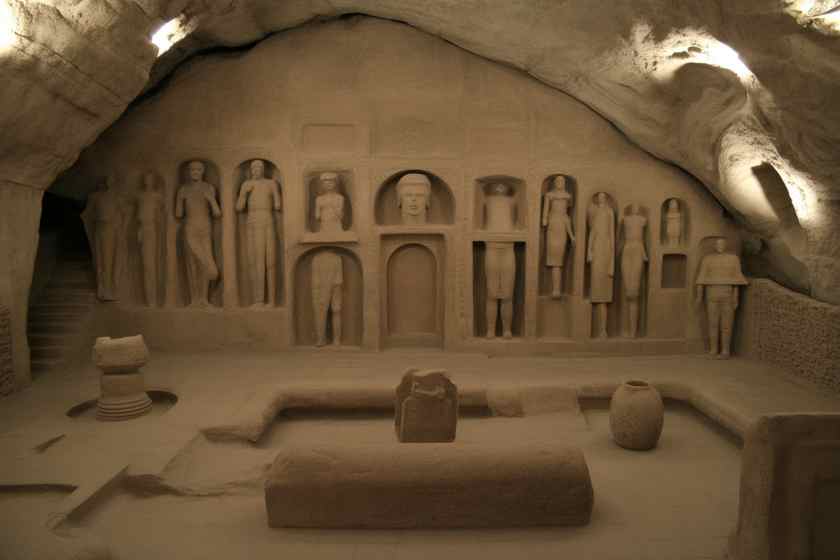
Image generated with Ai
The Hatay Archaeology Museum, renowned for its exceptional collection of ancient mosaics, is poised to reopen in stages by the end of 2026, following extensive renovations and strengthening works after the devastating February 2023 earthquakes that struck southern Türkiye. This marks a significant milestone in the region’s cultural recovery, as the museum prepares to once again showcase its world-class collection of artifacts, which were temporarily relocated for safekeeping after the quake.
The Hatay Archaeology Museum, a major cultural hub in Hatay province, previously housed an impressive collection of 37,000 artifacts, many of which reflect the region’s diverse historical legacy. The museum’s rich history includes ancient Roman, Byzantine, and Ottoman relics, along with stunning mosaics that draw scholars and tourists from around the world.
The February 2023 earthquakes, centered in Kahramanmaraş, devastated much of southern Türkiye, leveling residential neighbourhoods and public buildings, including the Hatay Archaeology Museum. Despite significant damage to the building, the invaluable collection of artifacts was carefully preserved in storage across the city, ensuring that this cultural treasure would be safeguarded for future generations.
As Hatay recovers, the reopening of the museum is a key part of the region’s broader efforts to restore its cultural heritage and boost tourism. The museum’s renovation, spearheaded by officials and contractors, aims to reinforce the building and create a safer environment for displaying the collection. Hüseyin Yayman, deputy chair of the ruling Justice and Development Party (AKP), recently visited the museum and was briefed on the ongoing work, underlining the government’s commitment to cultural preservation and the recovery of Hatay’s tourism infrastructure.
Advertisement
The Hatay Archaeology Museum is one of Türkiye’s premier archaeological sites and a significant draw for both local and international tourists. Located in Antakya, the museum is part of the city’s broader tourism appeal, which includes ancient Roman ruins, historical mosques, and vibrant local markets. The museum’s mosaic collection is particularly famous, with masterpieces like the “Leda and the Swan” mosaic showcasing the region’s role as a cultural crossroads between Europe, Asia, and the Middle East.
Before the 2023 earthquake, the museum was a focal point for visitors to the region, attracting art and history enthusiasts eager to see some of the most exquisite mosaics from ancient Pompeii and other parts of the Roman Empire. The reopening of the museum will not only restore this key historical asset but also reignite tourism to Hatay, which has been significantly impacted by the destruction caused by the earthquake.
Advertisement
Advertisement
As part of the ongoing recovery efforts, the museum’s renovation includes structural reinforcements to ensure the building can safely house its priceless collection. The restoration process also involves upgrading the museum’s exhibition halls and improving visitor facilities. The goal is to create an experience that allows visitors to engage with the region’s rich history while ensuring that the collection remains preserved for future generations.
The museum is expected to reopen in phases, with the full restoration scheduled for late 2026. The first stages of the reopening will focus on the display of mosaics, allowing visitors to once again experience these exceptional pieces of art. In addition to showcasing the mosaic collection, the museum will also display artifacts from the Hellenistic, Roman, and Byzantine periods, reflecting Hatay’s historical importance as a cultural and trade hub.
Advertisement
Advertisement
For Hatay, the reopening of the Archaeology Museum represents a critical step in revitalizing the local tourism industry. Hatay is a province known for its cultural diversity, combining Arab, Turkish, Armenian, and Christian influences, making it an ideal destination for cultural tourism. Along with its historic sites, Hatay is famous for its gastronomy, with dishes like Künefe (a sweet dessert) and Oruk (a stuffed bulgur dish) drawing food enthusiasts from across Türkiye and beyond.
Tourism plays a vital role in the Hatay economy, and with the museum’s reopening, the region hopes to see an influx of visitors, particularly those interested in archaeological tourism. As the museum’s doors reopen, tourists will be able to explore the artifacts that reflect the rich cultural history of this ancient province.
The museum’s reopening is expected to attract both domestic tourists from across Türkiye and international visitors from countries with historical ties to the region. The museum is located in Antakya, a city steeped in history and a gateway to many nearby archaeological sites. Visitors can explore Roman theaters, ancient churches, and the Saint Peter Church, one of the oldest Christian places of worship. The city also serves as a cultural bridge, drawing visitors from neighboring Syria, Lebanon, and Jordan, eager to experience its rich history.
For the travel industry, the Hatay Archaeology Museum’s reopening will provide new opportunities for tour operators and travel agencies to offer exciting cultural experiences. With Hatay’s increasing emphasis on tourism, this will add to the appeal of the broader region, which offers a mix of ancient history, modern culture, and natural beauty.
As Hatay rebuilds and recovers from the devastation of the 2023 earthquakes, the reopening of the Hatay Archaeology Museum serves as a symbol of resilience. It marks a new chapter for the region, where ancient treasures will once again be displayed, welcoming tourists and visitors to experience the unique cultural heritage of southern Türkiye. The museum’s restoration will allow the city to reclaim its status as one of Türkiye’s leading cultural and tourism destinations.
Advertisement
















Friday, February 27, 2026

Friday, February 27, 2026

Friday, February 27, 2026

Friday, February 27, 2026

Friday, February 27, 2026

Friday, February 27, 2026

Friday, February 27, 2026

Friday, February 27, 2026