
Bulgaria Boosts Tourism with Rising Bookings from Romania, Germany and Poland, Added Charter Flights and Focus on the Sustainable Growth and Competitiveness

Published
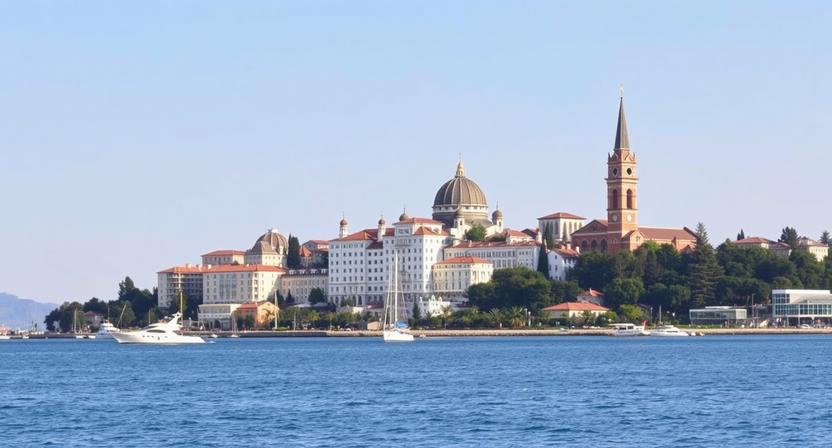 Image generated with Ai
There is an indication that the tourism industry in Bulgaria is experiencing continuous growth in light of increased bookings in the traditional destinations in Europe such as Romania, Germany, and Poland. Recently, there have been meetings between the Minister of Tourism Ilin Dimitrov and the tourism attachés from Bulgaria stationed in Germany and Poland and the Ambassador of Bulgaria in Romania, Radko Vlaykov. These talks were aimed at analyzing current trends and coming up with ways to increase charters flights among other issues.
Romania Remains a Leading Source Market
Romania continues to be one of Bulgaria’s strongest inbound tourism markets, with over 985,000 tourist registrations last season. The Ministry is planning a series of promotional presentations in Bucharest, coupled with meetings with journalists and travel influencers, to further stimulate interest. Discussions are also underway regarding the appointment of a tourism attaché in Romania, which would strengthen bilateral tourism ties and support sustainable growth in visitor arrivals.
Advertisement
Advertisement
Bulgaria’s proximity and cultural affinity with Romania make it a strategic market for short-stay and weekend travel, particularly for destinations along the Black Sea coast and historical inland sites. Enhanced engagement in Romania ensures continued leadership in this high-volume source market, contributing to overall sector revenue.
Germany Market Recovery and Flight Expansion
Germany is showing a robust recovery as a key market for Bulgaria. By the end of September, 255 flights are planned from four major German airports to Varna and Burgas, providing capacity for approximately 46,000 tourists. The increase in charter flights and air connectivity reflects Bulgaria’s strategy to capture high-value leisure travelers and compete effectively with other Mediterranean and Balkan destinations.
Advertisement
Advertisement
Enhanced connectivity with Germany also provides opportunities for off-season travel, weekend getaways, and cultural tourism, increasing the utilization of hospitality infrastructure and supporting sustainable tourism growth.
Poland: Record Booking Growth
Poland has emerged as a fast-growing market for Bulgaria, with bookings for 2026 up 61% year-over-year. This surge reflects the impact of strategic marketing campaigns, improved transport links, and tailored promotions for Polish travelers. Bulgaria’s focus on accessible leisure destinations, cultural experiences, and family-friendly tourism has contributed to its rising popularity among Polish visitors, reinforcing the country’s position in Central and Eastern European tourism circuits.
Advertisement
Advertisement
Strategic Initiatives to Strengthen the Tourism Sector
The Ministry of Tourism is pursuing multiple initiatives to consolidate Bulgaria’s position as a leading tourism destination:
- Expansion of charter flights and connectivity with key source markets to maximize tourist arrivals.
- Targeted promotional campaigns in Romania, Germany, Poland, and other high-value markets to attract diverse traveler segments.
- Engagement with journalists and travel influencers to enhance Bulgaria’s international visibility.
- Potential appointment of additional tourism attachés to improve market intelligence and business-to-business engagement.
- Emphasis on sustainable tourism practices, including off-season travel promotion and diversification of destinations beyond the Black Sea coast.
These initiatives aim to increase visitor volume, length of stay, and per-guest spending, while fostering economic benefits for local communities, hotels, and service industries.
Future Vision for Bulgaria’s Tourism Sector
Looking ahead, Bulgaria aims to transition from traditional seasonal tourism to a year-round, diversified, and high-value tourism economy. The sector’s future vision focuses on:
- Sustainable growth: Expanding tourism beyond peak summer months through promotion of cultural, nature-based, and wellness tourism.
- Experiential travel: Leveraging heritage sites, UNESCO landmarks, and natural reserves to attract high-value travelers seeking immersive experiences.
- Market diversification: Reducing dependence on single source markets by cultivating new feeder markets and strengthening ties with existing ones like Romania, Germany, and Poland.
- Smart tourism infrastructure: Enhancing transport, digital services, and accommodation capacity to meet evolving traveler expectations and global hospitality standards.
- Destination competitiveness: Developing integrated MICE, leisure, and eco-tourism offerings to ensure Bulgaria remains competitive in the European tourism market.
The vision underscores the Ministry’s commitment to leveraging regional advantages, modern hospitality practices, and strategic international engagement to solidify Bulgaria’s status as a top European travel destination.
Economic and Sector Impact
By expanding connectivity and attracting more tourists from key markets, Bulgaria’s tourism sector is expected to generate significant economic benefits, including:
- Higher occupancy rates for hotels, resorts, and short-stay accommodations.
- Growth in local hospitality employment and ancillary service industries.
- Increased spending in retail, dining, and cultural attractions.
- Enhanced destination branding and international recognition, contributing to long-term sector resilience.
The coordinated focus on market development, connectivity, and experiential tourism ensures that Bulgaria’s tourism ecosystem benefits from sustained growth, strengthening its position in regional and global tourism rankings.
Bulgaria Positioned for Sustainable Tourism Growth
It is clear that with active work being carried out with Romania, Germany, and Poland, as well as an increase in charter flights and media marketing activities, Bulgaria adopts a forward-thinking strategy for growth in its tourism industry. Incorporating new trends from leisure trips and MICE tourism together with the provision of experiential services ensures the country’s readiness for growth. All efforts being put into place by the Ministry of Tourism will help ensure sustainable development in the country’s tourism sector in the future.
Advertisement
