
Nepal Unlocks New Tourism Potential as Rara Lake Welcomes More Than Twenty-Four Thousand Travellers Amid Rising Demand

Published
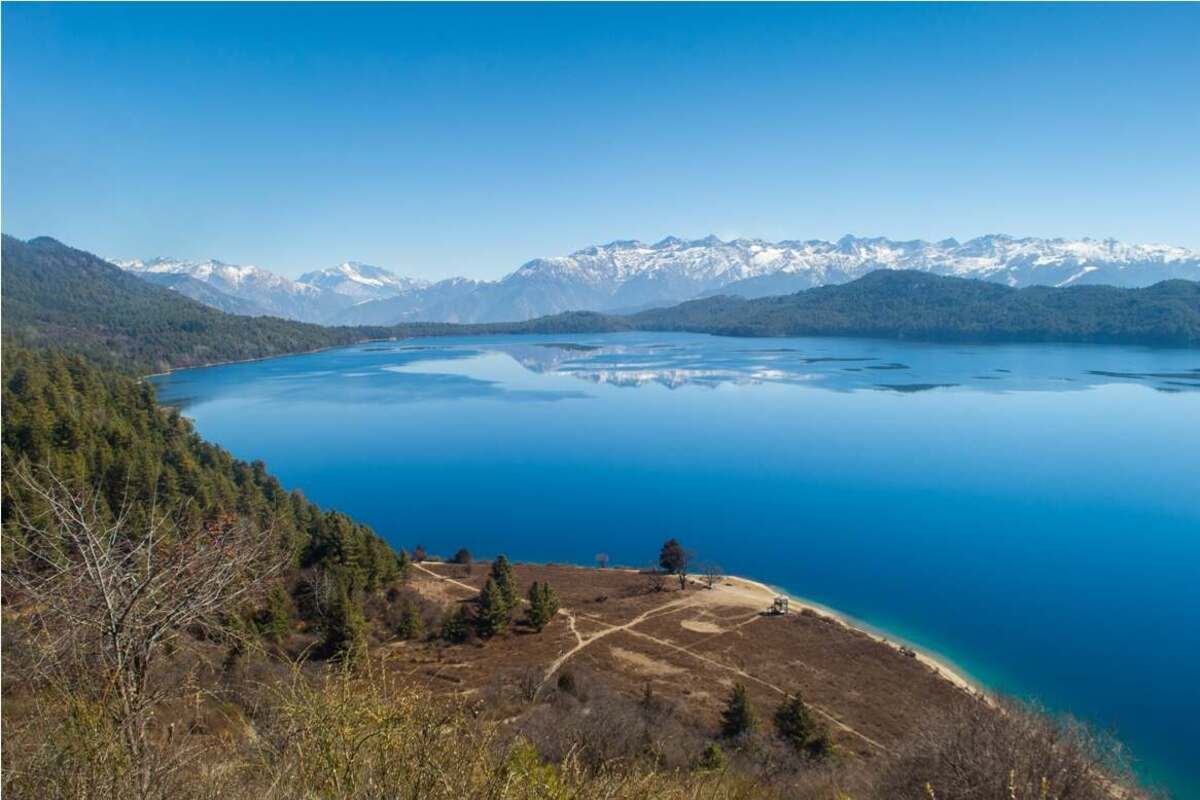
The beautiful Rara Lake in Nepal saw its tourist numbers increase to more than 24,000 in the last fiscal year, partly due to its increasing recognition for eco-tourism. Also situated within the Rara National Park in the western part of the country, the lake is gaining prominence for providing visitors a close up view of the Himalayan mountain range and of unspoiled, serene, fresh water lakes in addition to providing a beautiful habitat for numerous species of plants and animals.
Official records from the Rara National Park Office show that a total of 24,931 tourists visited the lake during the last fiscal year. The visitor numbers highlight the growing popularity of Nepal’s remote tourism destinations and reflect increasing interest among travellers seeking nature-based experiences away from crowded urban areas.
Among the total visitors, domestic tourism remained the biggest contributor to Rara Lake’s growth. A total of 24,604 Nepali travellers visited the destination, showing strong demand among local tourists for Himalayan adventure and nature tourism. Meanwhile, 126 visitors arrived from South Asian Association for Regional Cooperation (SAARC) countries, while 201 international tourists from other parts of the world explored the iconic lake.
Nepal’s Rara Lake Sees Strong Tourism Recovery With Rising Visitor Numbers
The latest figures represent a noticeable increase compared with the previous fiscal year, when Rara Lake welcomed 20,191 domestic and international visitors. The rise demonstrates growing recognition of the destination among travellers and highlights the expanding role of natural attractions in Nepal’s tourism sector.
Rara Lake has become an important symbol of Nepal’s adventure and eco-tourism potential. Unlike many popular destinations that attract large crowds, Rara offers visitors a peaceful environment surrounded by forests, mountains and traditional Himalayan communities.
The destination’s appeal comes from its combination of natural beauty and cultural experiences. Travellers visiting Rara can experience the lifestyle of mountain communities, explore local traditions, enjoy panoramic Himalayan views and discover the rich biodiversity protected within Rara National Park.
The increasing number of visitors also reflects improved awareness of Nepal’s lesser-known tourism locations. While destinations such as Kathmandu, Pokhara and Everest remain internationally recognised, places like Rara are gaining attention among travellers searching for unique and less-explored experiences.
Tourism Revenue From Rara Lake Supports Conservation and Local Development
The increase in visitor arrivals has also contributed to higher tourism-related revenue for Rara National Park. During the fiscal year 2025/26, the park generated approximately Rs. 8.709 million through entrance fees, boating charges, penalties and other sources.
Tourist activities remained the largest contributor to the revenue collection. Around Rs. 4.83 million was generated from visitor-related services, while additional income came through fines, penalties, firewood sales and other activities managed by the park authorities.
The revenue generated from tourism plays an important role in supporting conservation activities, maintaining visitor facilities and strengthening local tourism infrastructure around Rara Lake.
Nepal’s national park regulations set different entry fees depending on the visitor category. Nepali tourists pay an entrance fee of Rs. 100 per person, while visitors from SAARC countries are charged Rs. 1,500 per person. International tourists from other countries pay Rs. 3,000 per person for entry.
Visitors also have the opportunity to experience boating on Rara Lake, with a charge of Rs. 500 per person. A portion of the boating revenue supports different stakeholders involved in managing tourism activities around the lake.
According to park regulations, 20 per cent of boating income remains with the national park office, while the remaining amount is shared between boat operators and the Buffer Zone Development Committee. This system helps ensure that tourism benefits reach both conservation efforts and local communities.
Rara Lake’s Natural Beauty Makes Nepal’s Himalayan Destination a Growing Attraction
Spread across an area of 10.8 square kilometres, Rara Lake is located along the border of Mugu and Jumla districts in western Nepal. Known as one of the largest and most beautiful lakes in Nepal, it sits surrounded by mountains, forests and breathtaking Himalayan scenery.
The lake’s crystal-clear waters change colours depending on weather conditions and sunlight, creating a spectacular visual experience for visitors. The surrounding landscapes, including Chhayanath Mountain, add to the destination’s appeal and make Rara a favourite location for photographers, nature lovers and adventure travellers.
Rara National Park protects a wide range of flora and fauna, making the region important not only for tourism but also for biodiversity conservation. Visitors can experience the natural environment while exploring the unique wildlife and ecosystems found in the Himalayan region.
The destination is also known for its pleasant climate and cultural diversity. Traditional Himalayan lifestyles, local communities and regional customs provide travellers with an opportunity to experience a different side of Nepal beyond the country’s famous trekking routes.
Nepal’s Rara Tourism Growth Highlights Need for Better Connectivity and Facilities
Despite growing popularity, transportation challenges remain one of the major concerns affecting travel to Rara Lake. Many visitors reach the destination by road, but road conditions can create difficulties, especially during challenging weather seasons.
During the monsoon period, roads can become muddy and difficult to navigate, while winter conditions often create dusty and uncomfortable travel experiences. Improving road connectivity and upgrading transport infrastructure could make Rara more accessible for both domestic and international travellers.
Better connectivity would also support local businesses, increase employment opportunities and encourage longer visitor stays in the region.
Tourism stakeholders have also highlighted the need for additional visitor facilities, including educational and cultural centres. A museum showcasing the natural environment, biodiversity and cultural heritage of the Rara region could provide valuable information for tourists and students visiting the area.
Best Seasons to Experience Nepal’s Rara Lake Adventure
The most favourable periods to visit Rara Lake are generally March, April and the autumn months of October and November. During these seasons, travellers can enjoy clearer skies, comfortable weather conditions and better views of the surrounding Himalayan landscape.
Domestic tourists form the majority of visitors during these periods, with many travelling by road to experience the lake’s natural beauty. Adventure seekers, photographers and nature enthusiasts increasingly include Rara Lake in their Nepal travel plans because of its peaceful atmosphere and untouched surroundings.
As Nepal continues to promote diverse tourism experiences, Rara Lake represents the country’s growing focus on sustainable and nature-based travel. With increasing visitor numbers, rising tourism revenue and greater global awareness, the destination is becoming an important part of Nepal’s tourism future.
Rara Lake’s combination of spectacular landscapes, cultural richness and protected natural heritage positions it as one of Nepal’s most remarkable destinations for travellers seeking unforgettable Himalayan experiences.
