
Flight Cancellations across New Zealand and Australia Creates Travel Chaos throughout Auckland, Wellington, Christchurch, Melbourne, Sydney, Brisbane and Several other Cities as Qantas, Jetstar, Virgin Australia, Air New Zealand, Sounds Air and Others Suspend 168 Services and Face over 700 Delays

Published
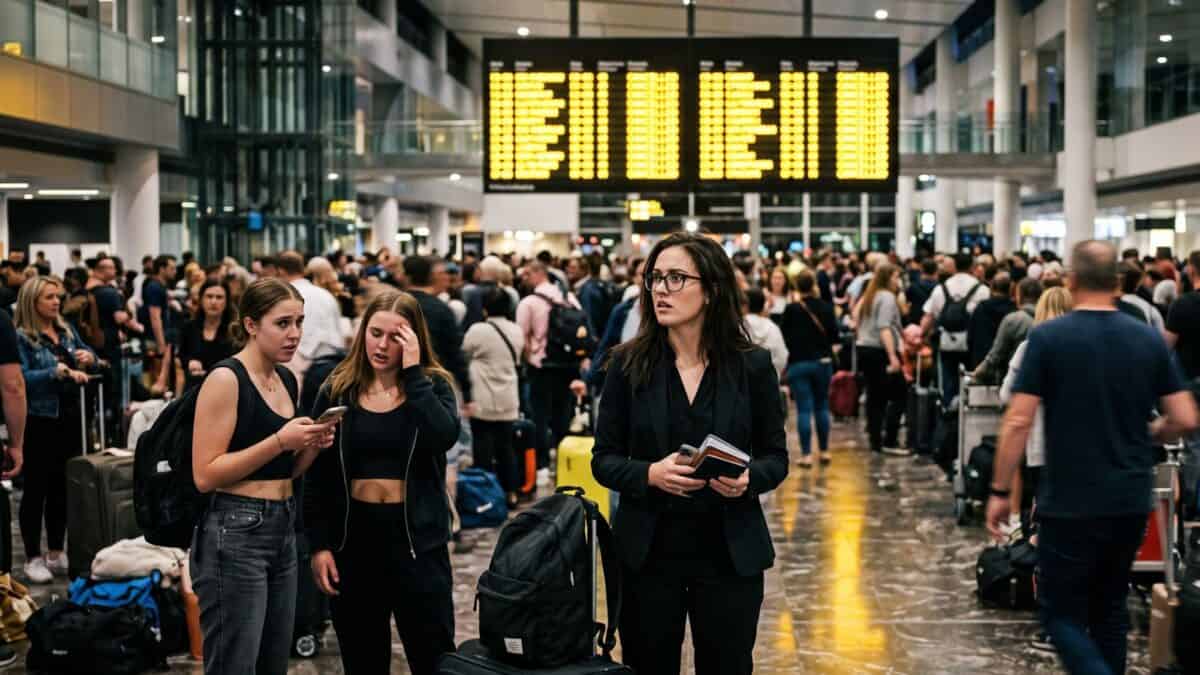
Significant flight disruption has been experienced across the aviation networks of New Zealand and Australia after a massive wave of flight cancellations and delays was recorded on 25th June, 2026. A total of 168 air services were completely suspended, while 777 flights faced extensive scheduling delays, causing widespread travel chaos for thousands of passengers. Affecting key airports in Auckland, Wellington, Christchurch, New Plymouth, Napier, Melbourne, Sydney, Brisbane, Adelaide and Gold Coast.
The operational challenges impacted schedules operated by Qantas, Jetstar, Virgin Australia, Air New Zealand, Sounds Air and other carrier services.The scale of the disruption has necessitated a closer examination of the statistics recorded across both countries. With major transport links compromised, travel plans were abruptly interrupted, requiring immediate adjustments by both airlines and passengers alike. The logistical pressure placed on airport infrastructure was immense, as terminal gates, baggage handling systems and customer service desks were overwhelmed by the sudden accumulation of displaced travellers. The following report details the specific operational impacts recorded at each affected airport across New Zealand and Australia.
Major Airports Affected
The widespread travel disruptions were distributed across ten key airports, with varying degrees of cancellations and delays documented at each location:
- Auckland Airport: A significant impact was felt at this major New Zealand hub, where a total of 23 flight cancellations were recorded. In tandem with these suspensions, 75 flight delays were also faced by passengers, creating substantial backlogs within the terminal and severely disrupting onward travel connections.
- Wellington International Airport: The highest volume of flight cancellations across the entire region was experienced at Wellington International Airport. A total of 67 services were suspended, whilst 57 flight delays were additionally registered throughout the day, leaving thousands of commuters stranded in the nation’s capital.
- Christchurch International Airport: Operational difficulties were also observed in Christchurch, where 18 cancellations were recorded. Furthermore, 47 flights were impacted by delays, compounding the travel challenges for those traversing the southern region’s primary aviation gateway.
- New Plymouth Airport: A distinct operational pattern was noted at New Plymouth Airport, where 15 flight cancellations were documented. Interestingly, 0 delays were recorded, indicating that scheduled services were either entirely cancelled or operated precisely on time without any middle ground.
- Napier Airport: A relatively minor but notable disruption occurred at Napier, where 3 flight cancellations were registered. This was accompanied by 4 flight delays over the course of the 24-hour period, affecting regional connectivity.
- Melbourne Airport (Tullamarine): Massive scheduling pressures were felt at Melbourne Tullamarine, where 25 flight cancellations were logged. The airport also faced an overwhelming number of delays, with 183 flights falling behind schedule, severely impacting the domestic Australian travel network.
- Sydney (Kingsford Smith) Airport: The largest volume of delayed flights across both nations was recorded in Sydney. While 10 flight cancellations were officially documented, an extraordinary 248 delays were faced by travellers, causing extensive queues and operational bottlenecks throughout the terminals.
- Brisbane Airport: A lower number of outright cancellations was seen at Brisbane Airport, with only 2 services suspended. However, significant scheduling friction was experienced across the network, resulting in 116 flight delays that extended well into the evening.
- Adelaide Airport: Minor to moderate disruption was observed at Adelaide International, where 3 flight cancellations were recorded. This was paired with 31 delays, which affected local regional routes and interstate travel schedules alike.
- Gold Coast Airport: Minimal absolute cancellations were documented at the Gold Coast, with only 2 flights suspended. New travel frustrations were introduced, however, as 16 delays were faced by passengers arriving at and departing from the leisure destination.
Impact on Tourism
When travel networks across New Zealand and Australia face disruptions of this magnitude, long-term implications for the broader tourism sector are invariably considered by industry analysts. Leisure and business travel schedules are heavily reliant on the predictability of aviation infrastructure. Because 168 services were halted and over 700 delays were sustained within a single day, immediate financial losses are expected to be felt by accommodation providers, tour operators and local businesses that rely on the timely arrival of international and domestic visitors.
Advertisement
Advertisement
Furthermore, future travel confidence can be subtly eroded when widespread cancellations occur without immediate resolution. If key hubs like Auckland, Wellington, Sydney and Melbourne frequently experience massive delays, a shift in consumer sentiment might be observed, leading to alternative transport choices or completely altered holiday destinations. The connectivity between New Zealand and Australia remains a vital corridor for international tourism, meaning that the stabilization of these flight schedules is paramount for sustaining future economic growth and protecting the reputation of the regional travel sector.
What Affected Passengers Can Do
What immediate steps should be taken if a flight is cancelled? When a service is officially cancelled by airlines such as Air New Zealand, Qantas, Virgin Australia, Jetstar, or Sounds Air, immediate communication should be established with the operating carrier. Rebooking options are typically provided automatically via airline mobile applications, digital portals, or at airport service desks. It is highly recommended that alternative travel arrangements are secured as quickly as possible to avoid further travel displacement and to guarantee a seat on subsequent services.
Advertisement
Advertisement
How can passengers monitor the status of delayed flights during widespread chaos? Flight statuses are continuously updated on official airport websites and dedicated airline mobile applications. Passengers are strongly advised to remain at the terminal if a delay is short, as departure times can occasionally be brought forward if operational windows open unexpectedly. For extensive delays, such as those faced by travellers in Sydney and Melbourne, regular checks on terminal information screens and subscription to SMS alerts are recommended to receive real-time updates.
Are meals and accommodation provided during extended travel delays? Depending on the specific conditions of carriage and local consumer laws governing travel in New Zealand and Australia, meals, refreshments and hotel accommodation may be organized by the airlines if the delay or cancellation falls under specific regulatory criteria. Affected passengers should directly request clarification regarding duty of care provisions from ground staff at the time of the disruption to ensure their immediate welfare needs are met.
Is travel insurance applicable for these types of aviation disruptions? Travel insurance policies are frequently utilized by seasoned commuters to recover non-refundable expenses incurred due to missed connections, cancelled accommodation, or pre-booked tourist activities. A comprehensive record of the cancellation or delay notification must be obtained directly from the airline to support any future insurance claims related to the disrupted travel itinerary.
-The flight information is based on data sourced directly from FlightAware. Please note that airlines frequently adjust schedules and routes to prioritize operational safety. In the event of a change, passengers should remain calm and explore alternative flight options. To ensure a smooth journey, it is highly recommended to monitor real-time flight status, understand your carrier’s rebooking policies and maintain a flexible itinerary.
Advertisement
