Published on February 10, 2026
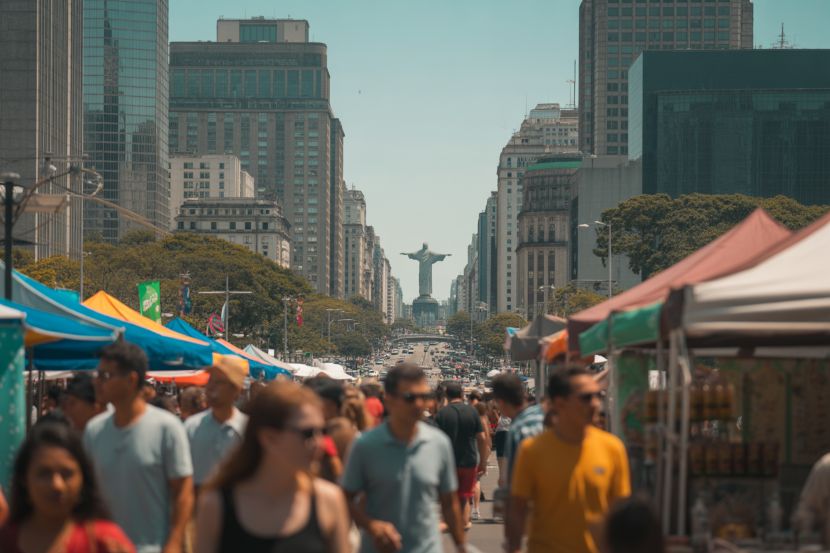
Image generated with Ai
In 2026, global markets are feeling the ripple effects of economic uncertainty in the United States, which is significantly influencing countries like Brazil and regions worldwide. Experts have warned that this instability, stemming from political tensions and fluctuating economic policies, may have both positive and negative impacts on emerging economies. Brazil, with its rich cultural and tourism offerings, is no exception. While the country faces structural economic challenges, there are also emerging opportunities for travelers and international business in the coming years. From the depreciation of the U.S. dollar to Brazil’s fiscal reforms, there are significant shifts that can reshape the global tourism landscape and economic stability. This article will explore how U.S. instability is creating a ripple effect in Brazil’s economic environment, and how travelers can navigate these changes.
The U.S. economy, despite showing signs of resilience in some sectors, continues to face major disruptions that have far-reaching consequences. These economic fluctuations have started to cause shifts in currencies and global market dynamics. The U.S. dollar’s depreciation, linked to rising political instability and changing economic policies, is having a significant impact on international economies. Experts point out that, while U.S. markets seem to remain stable in terms of private sector growth, the broader effects of weakened institutions have resulted in instability in key areas, such as defense and monetary policy.
This broader economic instability can lead to disinflationary trends, or declining inflation rates, which in turn affect global commodity prices and exchange rates. Brazil, a key emerging market and important player in international trade, has not remained untouched by these shifts.
After a strong economic expansion in 2024, Brazil’s growth rate slowed considerably in 2025, with GDP growth estimated at just 2.2%, far below the previous year’s robust 3.4%. As Brazil enters 2026, the outlook for the economy suggests a “soft landing”, with modest growth projections of around 1.8%. The nation is also seeing a slowdown in consumer price index (IPCA) growth, which is expected to dip to around 4% for 2026, signaling a controlled inflationary environment.
Advertisement
This slower economic pace is a result of both global and domestic factors, including high interest rates that remain at 15%, although these are expected to begin declining towards the end of 2026. For tourists planning a visit to Brazil, the stability in the currency and moderate inflation offer favorable conditions for exploring the country without the volatility that might come with a higher cost of living.
Despite the short-term stability, Brazil’s economy is facing a series of structural issues that could impede long-term growth. Mandatory spending on sectors like health and education remains rigid, with funds allocated based on revenue growth. This limits the government’s ability to invest in other areas that might boost productivity or infrastructure development, factors that could enhance the country’s appeal as a global travel destination.
Advertisement
Advertisement
Additionally, Brazil’s tax structure is a challenge, though recent tax reforms are expected to help stimulate investment in the coming years. One of the most significant obstacles to Brazil’s economic expansion is the high cost of its pension system, which contributes to public debt. For travelers looking to invest or explore business opportunities in Brazil, understanding the fiscal landscape is crucial to making informed decisions.
For travelers, the current state of Brazil’s economy might present both challenges and opportunities. The current inflationary control and a stable currency create an attractive scenario for those interested in exploring Brazilian tourism. Cities like Rio de Janeiro, São Paulo, and Salvador remain popular among international visitors, especially with the expected mild economic growth for the year.
Advertisement
Advertisement
Moreover, the Halal products industry in Brazil is also gaining attention. Through initiatives like the Halal do Brasil project, travelers from Arab and Islamic countries are increasingly exploring Brazil as a destination for Halal-certified goods. For those interested in cultural exchanges, this presents a unique opportunity to discover the intersection of Brazilian culture with international trade and food industries.
With tax reforms expected to yield positive impacts and the gradual decline in interest rates, there are promising opportunities for international businesses and investors to set foot in Brazil. Investors looking at Brazil’s natural resources and agriculture sector, as well as its booming technology market, will find favorable conditions in the long run. Moreover, travel-related investments, including hotels and tourist services, can benefit from these shifts as more visitors seek out more affordable and stable destinations.
Business ventures related to tourism—such as hotels, resorts, and transport—are also likely to benefit from the forecasted soft landing of the Brazilian economy. The tourism sector remains one of Brazil’s key economic pillars, and with Brazil’s stable political climate, it offers opportunities for growth, despite broader economic challenges.
While Brazil navigates its economic hurdles, travelers can expect a range of new developments in the tourism industry, including investment in infrastructure to accommodate a growing number of international visitors. Brazil’s eco-tourism sector, with its diverse rainforests, exotic wildlife, and natural parks, continues to be a major draw for travelers. The country’s cultural tourism, particularly in cities like Salvador, Recife, and Rio de Janeiro, also presents opportunities for tourists to immerse themselves in the country’s rich heritage.
For those interested in cultural exchange and learning about Brazil’s economic shifts, the Arab-Brazilian Chamber of Commerce offers events such as ABCC Connects and other networking platforms for those interested in international business or the Halal market. These initiatives provide both business leaders and tourists a unique chance to explore opportunities in this evolving landscape.
In conclusion, economic instability in the U.S. is influencing Brazil’s economic growth and market conditions, but there are still reasons for optimism, especially for international travelers. With stable currency rates, promising reforms, and expanding tourism opportunities, Brazil remains a key destination for those seeking both investment opportunities and cultural experiences.
As travelers continue to flock to Brazil, they will find that the country’s evolving economic landscape presents new opportunities for business and leisure alike. The gradual economic recovery offers fresh perspectives for tourism and potential investment in a country with a rich cultural heritage and diverse landscapes.
Advertisement














Monday, March 2, 2026

Monday, March 2, 2026