Published on February 10, 2026
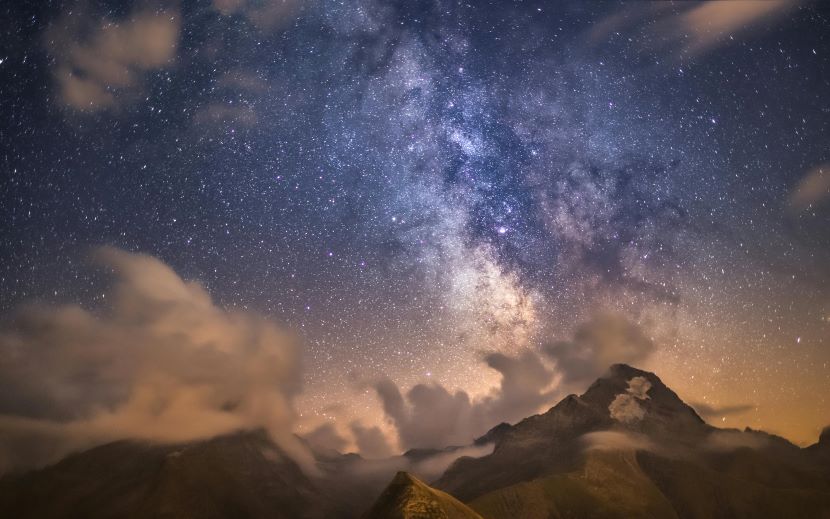
The modern travel landscape is currently being reshaped by a unique phenomenon known as night tourism, which is increasingly recognized for its profound healing travel experience across the subcontinent. As urban life becomes more demanding, a shift toward nocturnal exploration is being observed among domestic and international tourists alike. This trend is driven by a desire for spiritual rejuvenation and a break from the chaotic pace of daylight activities. By embracing the stillness of the dark, Indian tourism is being elevated to a new level of sensory and emotional depth. The allure of stargazing sessions and moonlight treks is providing a sanctuary for those seeking mental clarity and peace.
A transition from traditional sightseeing to more immersive, quiet experiences is being facilitated by various travel operators and state departments. It is observed that the intense heat and crowded nature of daytime excursions in India often lead to exhaustion rather than relaxation. Consequently, the concept of exploring heritage sites, forests, and celestial bodies after dusk is being embraced. This shift is not merely about a change in timing but represents a fundamental change in how the environment is perceived. The environment is seen as a canvas for tranquility when the sun sets, allowing for a deeper connection with nature and self.
The healing properties of the night are being highlighted by experts in the travel industry. The natural world is experienced differently when the distractions of the day are removed. In many parts of India, such as the deserts of Rajasthan or the mountains of Ladakh, the vastness of the sky is being utilized to offer astronomical wonders. It is suggested that the rhythmic sounds of the night and the coolness of the air contribute significantly to stress reduction. The sensory deprivation of the dark, paradoxically, leads to an enhancement of internal awareness. This form of travel is being promoted as a meditative practice where the journey itself becomes a tool for emotional recovery.
The sector of astro-tourism is being expanded rapidly to cater to this growing interest. Locations like Hanle in Ladakh, which is home to the Indian Astronomical Observatory, are being frequented by travelers who wish to witness the Milky Way in its full glory. These dark-sky reserves are being protected from light pollution to ensure that the celestial view remains unobstructed. The act of looking at the stars is being described as a humbling experience that puts personal worries into perspective. Furthermore, telescopes and guided sessions are being provided to educate visitors about constellations and planetary movements, blending education with leisure.
Advertisement
The spiritual aspect of night tourism is being emphasized through nocturnal visits to sacred spaces. The Ganga Aarti in Varanasi is being viewed with a different intensity when the night falls, as the flickering lamps reflect against the dark water. Similarly, midnight walks around ancient temples and monuments are being organized to allow for a more personal and less crowded experience. The silence of these architectural wonders at night is being utilized to evoke a sense of timelessness. These experiences are being crafted to help travelers disconnect from the digital world and reconnect with ancestral heritage and spirituality.
Adventure tourism is also being integrated into the night tourism framework. Night treks in the Western Ghats or the foothills of the Himalayas are being conducted under the guidance of experts. The flora and fauna that emerge only after dark are being studied and observed by enthusiasts. It is noted that the heightened state of alertness required for night hiking leads to a unique form of mindfulness. The rustling of leaves and the calls of nocturnal animals are being appreciated as the soundtrack of the wilderness. Safety protocols are being strictly maintained to ensure that these adventures remain both thrilling and secure for all participants.
Advertisement
Advertisement
The local economies of remote regions are being bolstered by the rise of night-time activities. Home-stays and local guides are being trained to manage nocturnal tours, providing a year-round source of income that was previously limited to peak daylight seasons. Traditional storytelling and folk music performances are being held around bonfires, ensuring that local culture is being preserved and shared. The heritage of these regions is being showcased in a light that highlights the mystical and folklore-driven aspects of Indian history. This sustainable model of tourism is being encouraged by government bodies to distribute the footfall of tourists more evenly across the day and night.
The trajectory of night tourism is being projected to grow as more people seek out non-traditional ways to heal from the stresses of modern life. Technological advancements in low-light photography and portable stargazing equipment are being used to enhance the visitor experience. It is believed that the future of travel lies in these quiet, meaningful interactions with the world. The narrative of Indian travel is being rewritten to include the beauty of the shadows and the peace found in the dark. As long as the sky remains clear and the desire for peace remains, the night will continue to be a destination in its own right.
Advertisement
Advertisement
Advertisement

















Tuesday, February 10, 2026

Tuesday, February 10, 2026

Tuesday, February 10, 2026

Tuesday, February 10, 2026
Tuesday, February 10, 2026

Tuesday, February 10, 2026
Tuesday, February 10, 2026
Tuesday, February 10, 2026