
Hundreds Of Travellers Stranded In United States As Frederick W Smith Intl/Memphis Delays 15 And Cancels 7 Flights Impacting Major Airlines In Memphis And Beyond

Published
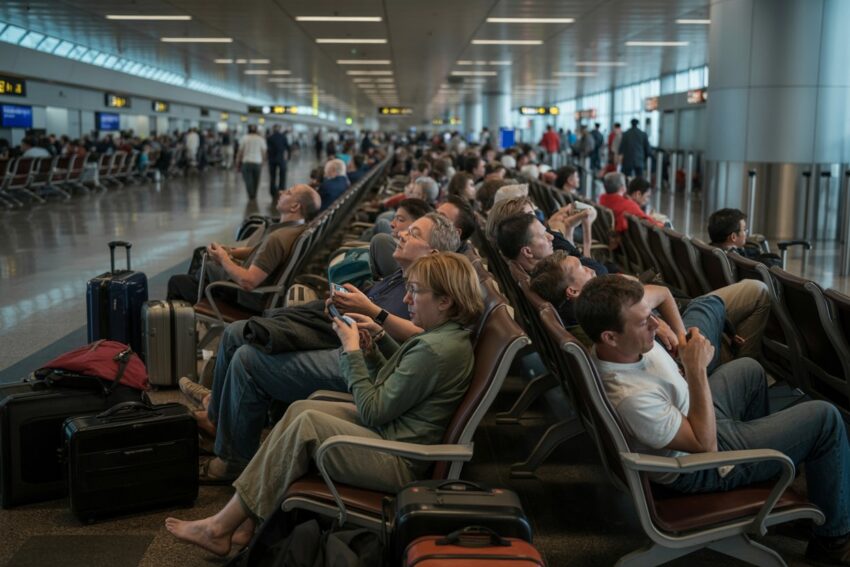 Image generated with Ai
Frederick W Smith International is experiencing a challenging travel window, with 15 delays and 7 cancellations combining for 22 flight disruptions that are testing the patience of passengers, airport staff and airline crews alike. Families on spring break trips, business travelers racing to make meetings, and overnight workers relying on cargo schedules are all feeling the emotional and logistical impact as they watch departure boards shift and plans unravel in real time.
Total of 22 Disrupted Flights Compounds Pressure Across the Day
With 15 delayed departures or arrivals and 7 outright flight cancellations, the airport’s schedule is under sustained pressure throughout the operating day. Each delay ripples through subsequent rotations for aircraft and crews, while cancellations force airlines to scramble for rebooking options, hotel vouchers and meal support for affected passengers. For travelers trying to make connections through other major hubs, these 22 disruptions can mean missed international flights, extra nights away from home and rising out‑of‑pocket costs.
Advertisement
Advertisement
Operational Factors and Broader System Stress Behind the Disruptions
While specific causes can vary by flight, disruptions at a major facility like Frederick W Smith International/Memphis typically stem from a mix of weather, air traffic flow restrictions, staffing challenges and aircraft maintenance requirements. Even when local skies look clear, airspace congestion or ground stops at upstream hubs can cascade into Memphis, forcing airlines to hold aircraft and reshuffle their schedule. For a critical cargo and passenger hub, any imbalance in arrivals and departures quickly complicates gate availability, turn‑around times and crew duty limits, which can all trigger more delays and cancellations as the day progresses.
Government Guidance Emphasizes Passenger Rights and Real‑Time Checks
Federal transportation authorities in the United States regularly remind passengers that they have specific protections when flights are significantly delayed or canceled, especially when disruptions are within an airline’s control. On official government transportation and aviation pages, travelers are urged to monitor their flight status directly with airlines’ apps and websites, sign up for text alerts, and review each carrier’s customer service and compensation policies before heading to the airport. Government aviation guidance also notes that in severe weather or air traffic control events, airlines may have limited flexibility, but they should still communicate clearly and promptly with affected passengers.
Advertisement
Advertisement
Memphis Travelers Turn to Digital Tools While Airport Teams Respond
At Frederick W Smith International, many passengers are now relying on mobile apps and digital departure boards to track shifting departure times, gate changes and rebooking options. For those already at the terminals, airport staff and airline agents become the human face of the disruption, answering anxious questions, helping elderly travelers and families with children, and guiding people toward customer service desks or self‑service kiosks. For those still at home across the Memphis region and the broader Mid‑South, the recommendation is simple: check your flight status repeatedly before leaving for the airport, and allow extra time for security and check‑in if your flight is still operating.
Cargo and Business Impacts at a Key Memphis Aviation Hub
Beyond leisure travel, Frederick W Smith International/Memphis plays an outsized role in cargo and express logistics, so delays and cancellations can also echo through supply chains. When passenger flights are disrupted, belly cargo may be delayed, and crew or aircraft constraints can force last‑minute adjustments to freight schedules. For businesses dependent on just‑in‑time deliveries, critical parts, or overnight shipments, today’s 22 disruptions can translate into missed production windows and rescheduled client commitments, adding economic stakes to what might appear as mere timetable changes on a screen.
Advertisement
Advertisement
Authorities Urge Preparedness, Flexibility and Documentation
Transportation and aviation guidance from federal and state authorities consistently underscores the importance of preparedness and flexible planning when flying through busy U.S. hubs. Travelers are encouraged to keep all receipts for meals, hotels and alternate transport when disruptions occur, to document communications with airlines, and to know their rights around refunds when a flight is canceled or significantly changed. Officials also highlight that, during periods of heightened system stress, choosing earlier flights in the day, avoiding tight connections, and traveling with carry‑on luggage only can reduce the risk of cascaded delays and lost bags.
Human Stories Behind the Numbers at Frederick W Smith International
Behind the statistics of 15 delays and 7 cancellations at Memphis – Frederick W Smith International are very human stories: a parent trying not to disappoint a child heading for a long‑awaited trip, a worker anxious about missing a shift, or a grandparent hoping to make it in time for a family celebration. As airlines, airport teams and authorities work through the knot of 22 disruptions, passengers in Memphis are drawing on patience, empathy and resourcefulness – sharing chargers, watching each other’s bags, and swapping stories in crowded gate areas – hoping that the departures board will soon turn back to the on‑time normal they were counting on.
Advertisement
