
United Airlines Ends Flight-Based MileagePlus Status Path in 2027 What Travellers Need to Know

Published
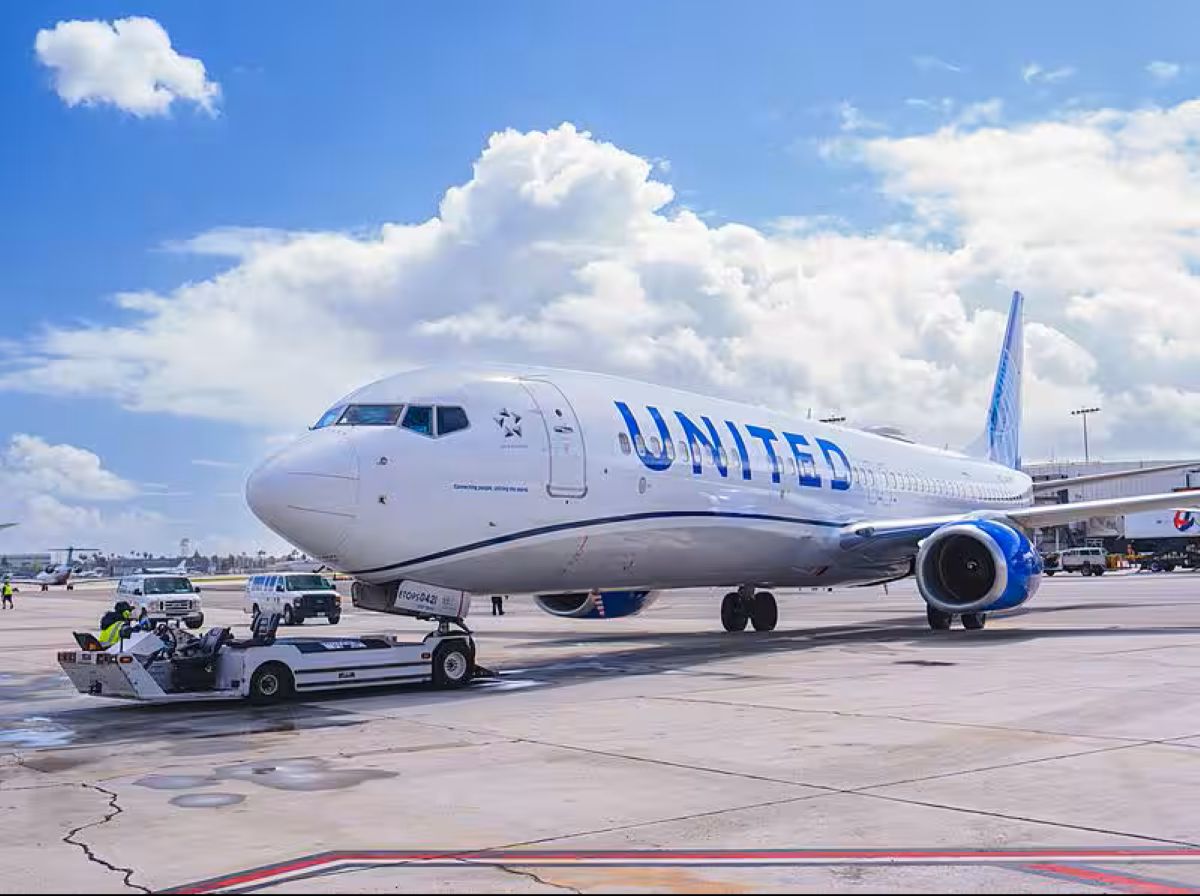
For frequent travellers who have spent years collecting flights to earn airline loyalty benefits, United Airlines is changing the rules of the journey. From 2027, passengers will no longer be able to qualify for Premier elite status through a combination of flight segments and qualifying points under the MileagePlus programme. Instead, eligible spending will become the main measure of progress, potentially changing how holidaymakers, business travellers and regular flyers plan their journeys. The announcement, reported on 13 October 2026, marks a significant shift in how the airline rewards customer loyalty.
United Airlines Changes Its Frequent Flyer Qualification System
United Airlines is removing Premier Qualifying Flights (PQF) as one of the two routes to Premier status. Until now, members could qualify either by collecting enough Premier Qualifying Points (PQP) or by combining a lower PQP threshold with a required number of qualifying flight segments.
Advertisement
Advertisement
Under the revised system, PQP will be the sole measure used to determine which Premier tier a member earns. PQP are generally linked to eligible spending on United tickets and qualifying United credit-card activity, subject to programme rules.
The change will affect status earned during 2027 for the following programme year. Travellers who previously relied on taking numerous shorter flights to reach a status threshold will need to reassess their qualification strategy.
Advertisement
Advertisement
How Much Will Travellers Need to Spend?
United’s four principal Premier tiers are Silver, Gold, Platinum and 1K. The points-only thresholds for the first three tiers will remain at their existing levels, while the highest published tier will become harder to achieve.
The 2027 qualification requirements are:
Advertisement
Advertisement
- Premier Silver: 6,000 PQP
- Premier Gold: 12,000 PQP
- Premier Platinum: 18,000 PQP
- Premier 1K: 32,000 PQP
Previously, travellers could reach Silver with 5,000 PQP and 15 qualifying flights, Gold with 10,000 PQP and 30 flights, or Platinum with 15,000 PQP and 45 flights. The alternative route to Premier 1K required 22,000 PQP and 60 qualifying flights. Under the new rules, those combined thresholds will no longer apply.
The points-only requirement for Premier 1K will rise from 28,000 to 32,000 PQP, an increase of approximately 14.3 per cent. The figures are detailed in reporting.
Advertisement
Advertisement
Why Frequent Flyers Could Feel the Impact
The change may be most noticeable among passengers who travel regularly but purchase relatively inexpensive tickets. A person taking several short domestic trips might previously have benefited from accumulating flight segments alongside qualifying points. That strategy will no longer provide a separate route to Premier status.
For business travellers, the outcome will depend on their eligible spending, ticket arrangements and existing programme activity. Travellers who regularly purchase higher-priced eligible fares may find it easier to meet the points threshold than those who rely on low-cost tickets.
However, the change does not automatically mean that every passenger will spend more on flights. Its impact will depend on individual travel patterns, qualifying purchases and the benefits each member values.
Four United Flights Will Still Be Required
Although United is removing flight segments as a status-qualification metric, it is not eliminating the requirement to fly altogether. Members must still complete at least four qualifying flights operated by United or United Express during the qualification year to become eligible for Premier status.
Advertisement
Advertisement
This distinction matters for international travellers who use partner airlines to reach destinations across different regions. Passengers should check which journeys qualify and how their tickets earn PQP before assuming that every flight contributes equally towards their status.
For travel advisers and corporate travel managers, the revised structure also makes it important to explain the difference between earning redeemable miles for future trips and earning the qualifying points required for elite status.
Credit Cards Become More Relevant to Status Planning
United’s new approach places greater emphasis on spending as a measure of customer engagement. Qualifying activity through eligible United co-branded credit cards can contribute towards PQP, subject to card-specific conditions and programme limits.
This gives some cardholders another way to progress towards status. However, travellers should examine annual fees, spending requirements and the actual value of Premier benefits before choosing a credit card simply to reach a higher tier.
For passengers who fly infrequently, paying extra to chase status may not offer good value. For frequent business travellers, benefits such as priority services and potential upgrades may still justify reviewing the numbers.
What the US Government Says About Airline Loyalty Programmes
The US Department of Transportation (DOT) advises passengers to read airline loyalty-programme terms carefully, compare earning rules and understand the conditions attached to rewards. Its official guidance explains that airlines generally set their own frequent-flyer programme terms, while the department can investigate complaints involving potentially unfair or deceptive practices.
Advertisement
Advertisement
The DOT’s guidance does not establish United’s new qualification thresholds or endorse the change. Instead, it provides a useful consumer-protection reference for travellers who want to understand their rights and the limitations of loyalty benefits.
Travellers can consult the department’s and United’s current programme terms before making decisions about future bookings.
What Travellers Should Do Before 2027
Passengers hoping to retain Premier status should review their current PQP balance, estimate their eligible spending and check the latest qualification rules directly with United. Those who previously depended on flight segments should pay particular attention to the gap between their expected points and the revised thresholds.
Travellers should also avoid booking unnecessary flights solely to accumulate segments, as this strategy will no longer provide the same qualification advantage. Comparing fares, choosing routes that suit genuine travel needs and assessing the practical value of elite benefits may be more useful than chasing status for its own sake.
A New Chapter for Airline Loyalty
For travellers, airline loyalty has always involved a personal calculation: whether staying with one carrier brings enough comfort, convenience and savings to justify the choice. United’s latest decision changes that calculation by putting greater weight on qualifying spend rather than the number of flights taken. Some passengers may barely notice the difference, while others will need to rethink years of travel habits. Before planning the next holiday or business trip, MileagePlus members should check the updated rules and decide whether elite status still delivers enough value for the journeys they actually take.
Advertisement
