Published on March 3, 2026
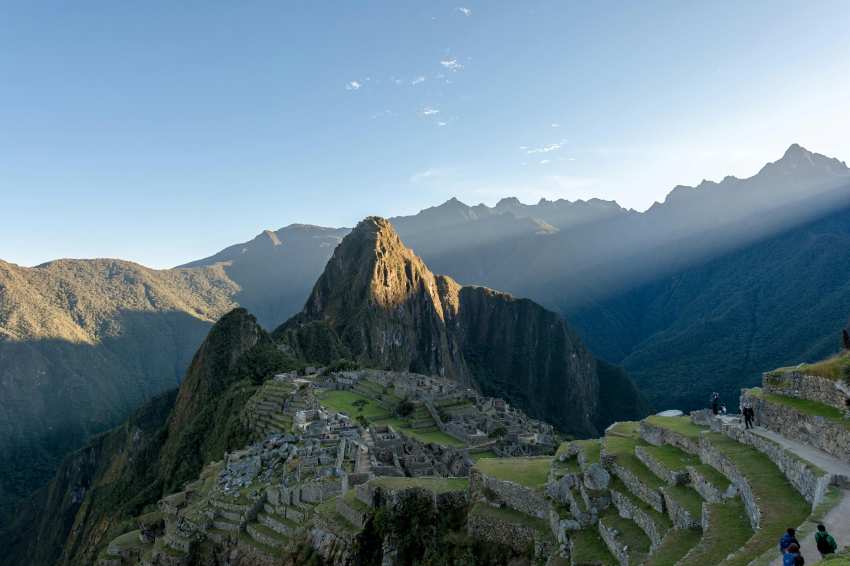
As of March 1, the legendary Inca Trail to Machu Picchu was officially declared open to the global trekking community. This seasonal restoration of access follows the traditional month-long hiatus in February, when the Directorate of Culture meticulously preserves the ancestral pathways. However, regional authorities are currently treating the excitement of the reopening with a high level of caution. Cusco’s Regional Management of Foreign Trade, Tourism, and Handicrafts (Gercetur) has issued an alert in collaboration with the Tourist Protection Network. This vigilance is required due to the persistent and intense rainfall that has characterised the Andean climate throughout March.

While the route was reopened with over 200 international trekkers from the United States, France, Italy, and Japan, the region’s stability remains a source of concern. Local officials are maintaining a constant security presence to ensure that the influx of visitors and their support staff, including porters and guides, are not in danger. The primary goal remains traveller safety, and the possibility of unexpected closures or route changes is being considered if environmental conditions worsen.
The Inca Trail is currently recognized as meeting all necessary operational standards, yet the risks posed by the tail end of the rainy season are not being underestimated. It is emphasized by regional leadership that the atmospheric conditions in Cusco are unpredictable, and the threat of landslides or trail erosion remains a significant concern. The safety of the four-day trek—a bucket-list experience for thousands—is dependent on real-time monitoring of weather patterns.
Visitors are encouraged to remain informed through their licensed tour operators, as the decision to allow trekking is reviewed on a daily basis. It is noted that while the path is technically ready for foot traffic, the environmental context of the high-altitude rainforest dictates a policy of extreme prudence. Should any incident be recorded that suggests a compromise in structural integrity or personal safety, immediate preventative measures will be enacted by the governing bodies.
Advertisement
In contrast to the reopening of the Inca Trail, other major landmarks within the Cusco region have not been deemed safe for public access. The Choquequirao Archaeological Park, often referred to as the “sister city” of Machu Picchu, remains strictly closed to all visitors. This decision was necessitated by the heavy rainfall recorded in February, which rendered the access routes highly vulnerable to landslides and mudflows. Because the journey to Choquequirao involves steep descents and ascents through canyon terrain, the risk of geological instability is considered too high for recreational transit.
Similarly, the turquoise waters of Lake Humantay (Laguna de Humantay) are currently off-limits to the public. A geological fault has been identified in the Balconpata sector, creating a hazardous environment for hikers. Both sites are scheduled for comprehensive field inspections by a multi-institutional team to determine if the ground has stabilized sufficiently. Until these technical assessments are finalized, the priority of visitor safety dictates that these destinations remain inaccessible. The reopening of these sites is contingent upon the results of these evaluations, which are expected to be conducted during the first week of March.
Advertisement
Advertisement
For travellers currently in the Cusco region or planning an arrival in the coming weeks, a flexible itinerary is highly recommended. The allure of the Peruvian Andes is undeniable, but the power of the natural elements in this region requires respect and preparation. The efforts of the Gercetur team and the Directorate of Culture ensure that when these sites are open, they are maintained to the highest possible standards of both conservation and safety.
The collaboration between government agencies ensures that the cultural heritage of the Inca Empire is protected from the dual pressures of heavy tourism and harsh weather. For those embarking on the Inca Trail this month, proper gear—including waterproof layers and sturdy, high-traction footwear—is considered essential. Furthermore, travellers are reminded that the conservation work performed in February is vital for the long-term sustainability of these ancient stones, ensuring that the “Lost City of the Incas” remains a marvel for generations to come.
The situation in the Andes is constantly changing, and the Peruvian Ministry of Foreign Trade and Tourism (MINCETUR) provides frequent updates. Travellers should consult official government portals and the iPeru information service for the most up-to-date information on trekking permits and site accessibility. By putting safety ahead of speed, Cusco’s regional authorities are ensuring that every visitor’s journey to the heart of the Inca Empire is as safe as it is breathtaking.
Advertisement


















Tuesday, March 3, 2026

Tuesday, March 3, 2026

Tuesday, March 3, 2026

Tuesday, March 3, 2026

Tuesday, March 3, 2026
Tuesday, March 3, 2026